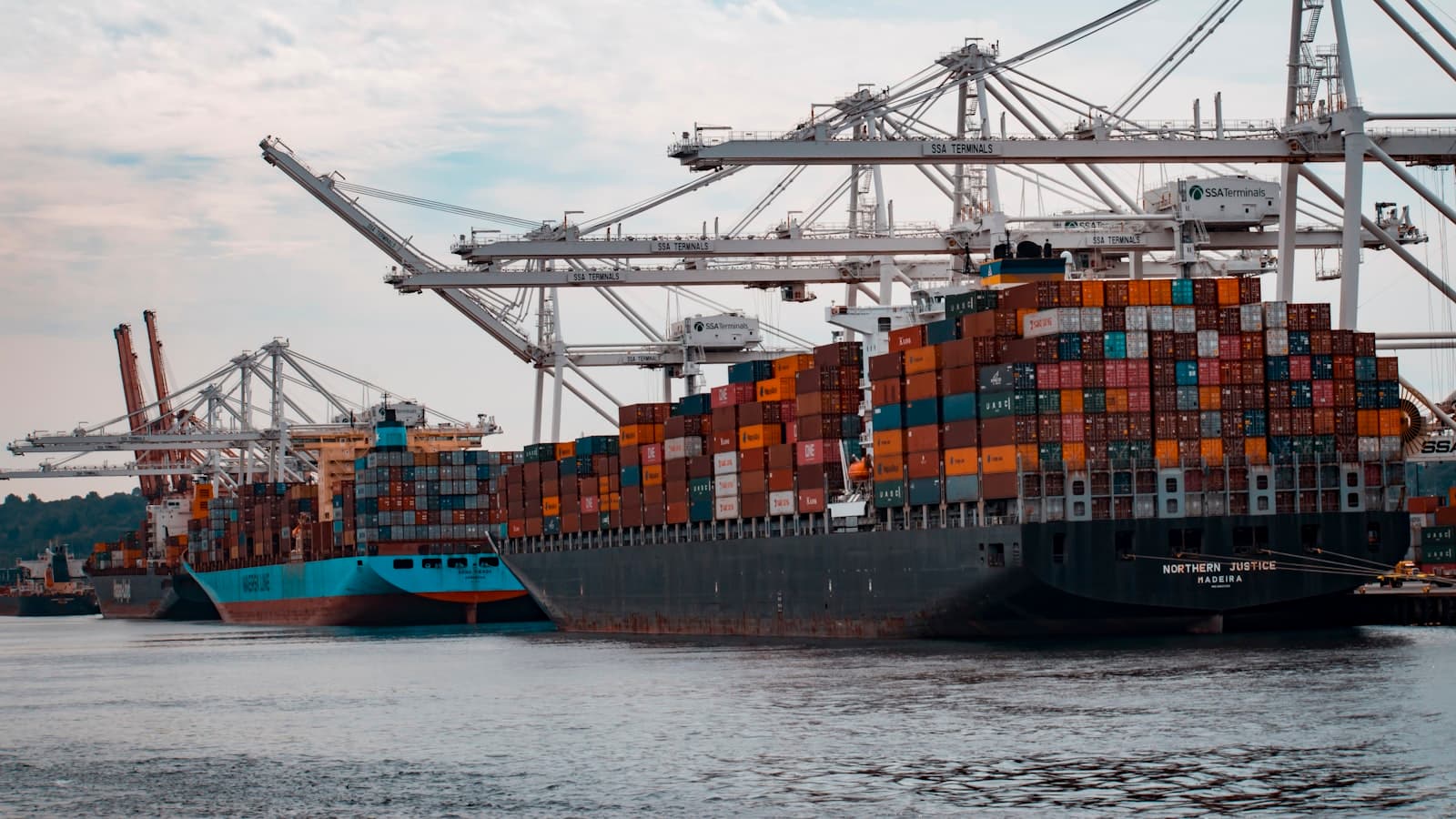
The call came at 6 AM on a Tuesday. A container ship carrying 40 tons of organic cotton yarn — the entire Q2 supply for three of our client's production lines — was rerouted around the Cape of Good Hope due to Red Sea security threats. Estimated delay: 18 days. The original delivery was already 5 days late due to port congestion in Shanghai.
Our client, a garment manufacturer in Tirupur, had three choices. One: halt production for 23 days, missing delivery deadlines on orders worth ₹2.8 crore. Two: source emergency yarn from a domestic supplier at a 35% premium, destroying margins but saving the orders. Three: renegotiate delivery dates with buyers, risking losing the accounts to competitors who could deliver on time.
They chose option two — and it cost them ₹42 lakh in additional material costs. But the real cost was invisible: the stress on the team, the damage to supplier relationships, and the gnawing realization that this could happen again next month.
This scenario played out thousands of times across the global textile industry between 2023 and 2025. COVID-19, the Suez Canal blockage, Red Sea tensions, cotton price volatility, and geopolitical trade disruptions turned supply chain management from a back-office function into a board-level crisis.
The Anatomy of a Fragile Textile Supply Chain
Most textile supply chains were designed for efficiency, not resilience. They optimized for lowest cost per unit — single-source suppliers, just-in-time inventory, long-distance shipping. This worked beautifully for 20 years. Then the world changed.
The average textile manufacturer sources raw materials from 3-5 countries, processes them through 2-3 stages (often in different locations), and ships finished goods to buyers in 10+ markets. Each link in this chain represents a point of failure. A weather event in Texas affects cotton supply. A port strike in Rotterdam delays European deliveries. A currency fluctuation makes Pakistani yarn suddenly cheaper than Indian yarn, shifting competitive dynamics overnight.
The businesses that survived recent disruptions without catastrophic losses shared one characteristic: visibility. They could see what was happening across their supply chain in real-time, quantify the impact, and pivot before the crisis became unmanageable.
Pillar 1: Multi-Source Procurement — The End of Single Dependency
The first rule of resilient supply chains is simple: never depend on a single supplier for any critical material. Yet our analysis of 300 textile manufacturers found that 62% sourced their primary raw material from a single supplier, and 41% sourced from a single country.
Multi-sourcing doesn't mean buying the same material from five suppliers simultaneously. It means having qualified, tested alternatives that can scale within 2-4 weeks if your primary source fails. This requires ongoing supplier relationship management — sending trial orders to secondary suppliers quarterly, maintaining quality approval for their products, and keeping pricing current.
ERP-powered supplier scorecards make this practical. Every supplier is rated on delivery reliability, quality consistency, price competitiveness, communication responsiveness, and compliance certifications. When your primary supplier fails, you don't scramble to find an alternative — you activate the next-ranked supplier who's already qualified and ready.
A fabric trading company in Surat maintained qualified secondary suppliers for their top 20 materials. When their primary Turkish cotton supplier was disrupted by earthquake logistics in 2023, they shifted to their pre-qualified Egyptian supplier within 72 hours. Zero production downtime. Zero missed deliveries. Their competitors, scrambling to find alternatives, lost 3-4 weeks.
Pillar 2: Intelligent Inventory Buffers
Just-in-time inventory is a manufacturing philosophy that minimizes storage costs by receiving materials exactly when needed. It works perfectly — until the supply chain breaks. Then just-in-time becomes just-too-late.
The pendulum has swung back toward strategic inventory buffers. But the key word is 'strategic' — not 'dump everything in a warehouse and hope for the best.' AI-powered inventory management calculates the optimal buffer for each material based on its supply risk profile. Materials from volatile sources get larger buffers. Materials with multiple reliable suppliers get smaller ones. The system dynamically adjusts as conditions change.
A spinning mill in Coimbatore used to maintain 45 days of cotton inventory across all grades. After implementing risk-based inventory management, they carry 60 days for long-staple Egyptian cotton (single source, long shipping route) but only 30 days for domestic cotton (multiple local sources). Their total inventory investment actually decreased by 12% while their resilience improved dramatically.
Pillar 3: Real-Time Visibility Across the Chain
You cannot manage a crisis you cannot see. Real-time supply chain visibility means knowing at any moment: where every purchase order stands in the supplier's production cycle, where every shipment is physically located, what the estimated arrival time is based on current conditions (not the original schedule), which production orders will be impacted if a shipment is delayed, and what alternative actions are available.
This visibility requires technology that connects multiple data sources: supplier portals for production status, carrier tracking APIs for shipment location, port congestion data for arrival estimates, and ERP production schedules for impact analysis. When these data streams converge in a single dashboard, the supply chain manager can see problems forming days or weeks before they arrive — and take action while options still exist.
The Technology Stack That Actually Works
After working with hundreds of textile businesses on supply chain resilience, here's the technology stack that delivers results. First, an ERP with native procurement and supplier management — not a bolt-on module. The supplier data, purchase order management, goods receipt tracking, and payment processing need to be integrated with production scheduling and inventory management. When these are separate systems, the gaps between them are where disruptions hide.
Second, AI-powered demand forecasting that feeds into procurement planning. If the system can predict that you'll need 20 tons of polyester yarn in 8 weeks with 85% confidence, procurement can place orders with comfortable lead time instead of scrambling at the last minute.
Third, automated alerts and escalation workflows. When a supplier misses a promised ship date, the system should immediately notify the procurement team, calculate the impact on production schedules, and suggest alternative actions — all without waiting for a human to notice the delay in a spreadsheet.
The ROI of Resilience
Our analysis of 200 textile businesses found that those without digital supply chain management experienced an average of 23 days of production disruption per year due to material shortages. At typical textile margins, each disruption day costs $15,000-$50,000 in lost production and expediting fees. That's $345,000-$1.15 million per year in preventable losses.
The cost of implementing comprehensive supply chain management through a textile ERP: typically recouped within 4-6 months through reduced stockouts, lower emergency procurement premiums, and fewer expedited shipping costs. The Tirupur manufacturer from the beginning of this article has since implemented digital supply chain management. When the Red Sea disruption happened again this year, they had already shifted 30% of their yarn sourcing to domestic suppliers based on the system's risk assessment. Impact this time? Three days of schedule adjustment. Zero emergency purchases. Zero missed deadlines.
The lesson from five years of global disruption is clear: resilience isn't expensive. Fragility is.
Frequently Asked Questions
How can textile ERP prevent raw material shortages?
It monitors real-time inventory, tracks open POs, and uses AI to predict when materials will run out. When inventory drops below dynamic reorder points, it auto-generates POs to qualified suppliers — often weeks before a human would notice.
What is a supplier scorecard?
An automated rating tracking delivery reliability, quality consistency, price competitiveness, and compliance. It helps identify and activate alternative suppliers instantly when primary sources fail.
What's the ROI of supply chain resilience technology?
Typical textile businesses lose $345K-$1.15M/year from supply disruptions. ERP-based supply chain management typically pays for itself in 4-6 months through reduced stockouts and lower emergency procurement costs.
Vastra ERP Editorial Team
Textile Technology Experts
Our editorial team brings decades of combined experience in textile manufacturing, supply chain management, and enterprise technology. We publish in-depth guides, industry analysis, and practical insights for textile professionals worldwide.