Textile ERP software for US makers and brands
Built for the American reality — multi-state sales-tax nexus, USMCA origin, UFLPA cotton traceability, and native Shopify, NetSuite, and QuickBooks integrations across DTC brands and technical mills.
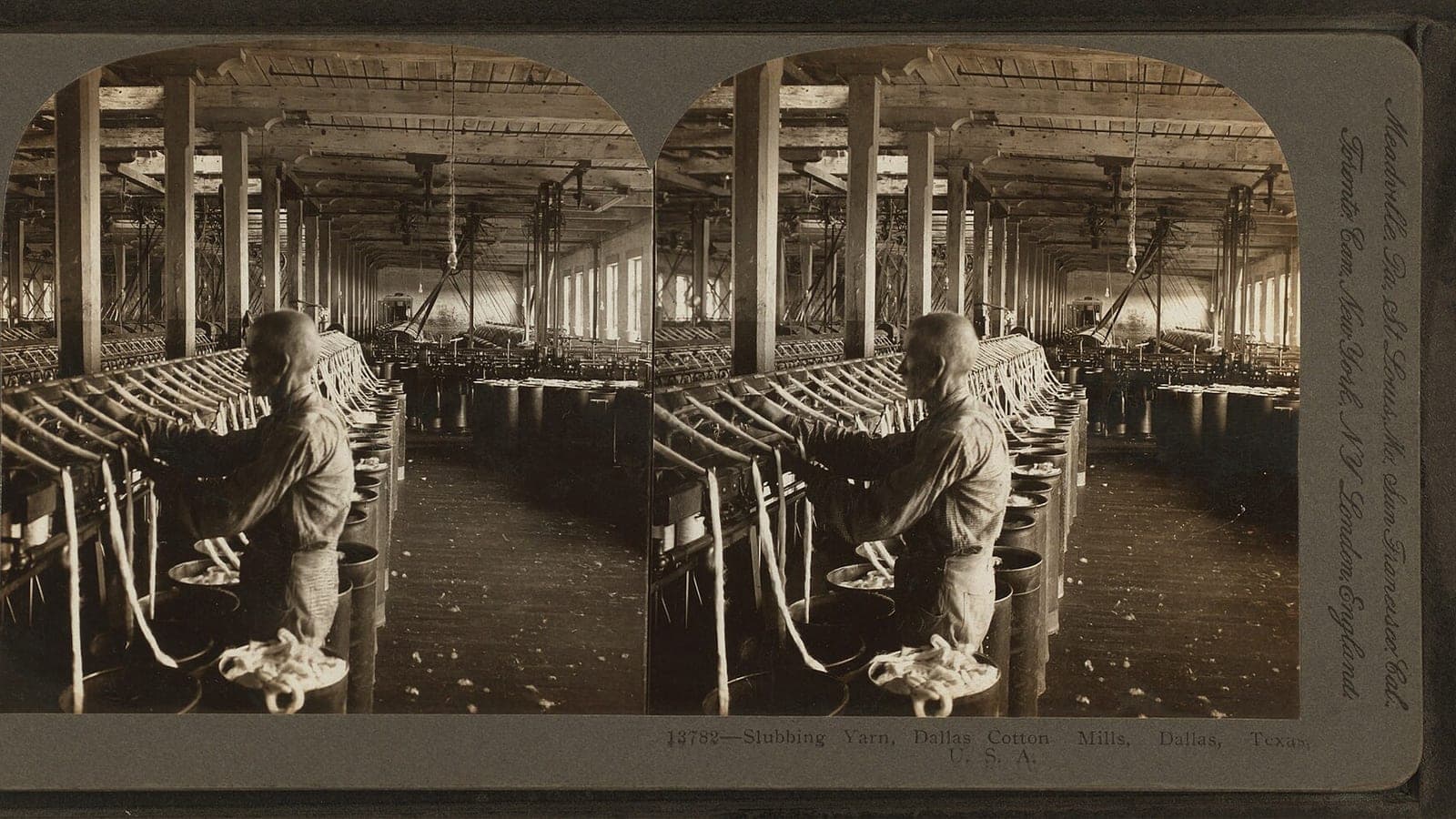
Two American textile industries, one platform
The US textile sector splits into two very different worlds. One is brands and direct-to-consumer apparel — designed and marketed stateside, often cut-and-sewn in Los Angeles or imported, sold through Shopify and wholesale. The other is advanced manufacturing — the technical, industrial, and automotive textiles of the Carolinas and the carpet and flooring cluster of Georgia, where engineering and certification matter more than labour cost.
Both face distinctly American problems. Sales tax is a fifty-state maze after the Wayfair economic-nexus ruling. Imports must satisfy the UFLPA, which can detain shipments over cotton origin. North-American trade runs on USMCA origin. And US businesses expect their ERP to plug into the SaaS tools they already use. Generic ERP rarely covers this combination cleanly.
US compliance, built in
Configured for the tax, trade, and integration realities US textile businesses operate in.
Multi-state sales tax
Economic-nexus determination by ship-to and tax-engine integration for compliant interstate sales.
UFLPA traceability
Cotton and input origin traced from supplier and lot to finished goods for import compliance.
USMCA origin
Origin and qualifying-content tracking for duty-free North-American trade.
SaaS integrations
Native Shopify, Amazon, NetSuite, QuickBooks, and Xero connectors.
Technical-textile QA
Multi-protocol testing and certificates of conformity for industrial and automotive fabrics.
USD costing
Per-order costing in USD with landed cost on imported inputs.
UFLPA turned sourcing into a documentation problem
The Uyghur Forced Labor Prevention Act changed the game for anyone importing cotton goods: US Customs can detain a shipment unless you can trace the cotton's origin and prove it is clean. A weak paper trail is no longer just a compliance gap — it is a hold on your inventory and a hit to your season.
Vastra ERP records supplier and lot origin from raw material through every process to finished goods, so the chain of custody UFLPA demands is a report, not a reconstruction. Combine that with ship-to-based sales-tax determination and native commerce integrations, and a US brand or mill runs compliance, tax, and operations on one system instead of stitching together three.
How Vastra ERP fits a US business
De-risk imports with UFLPA traceability
A CBP detention over cotton origin can sink a season. Vastra ERP records origin from supplier and lot through to finished goods, so you can document a clean chain and clear customs.
Inventory & traceability →Sell into every state, taxed right
Post-Wayfair economic nexus makes sales tax a fifty-state problem. Vastra ERP determines taxability by ship-to and integrates with tax engines, so DTC and wholesale stay compliant.
Order management →Keep your commerce stack
Native Shopify, Amazon, NetSuite, and QuickBooks connectors mean a US brand adds textile depth without ripping out the tools it already runs.
Integrations & BI →Technical textiles, certified
For the Carolinas' industrial and automotive mills, multi-protocol testing and certificates of conformity are native — no custom quality build.
Quality & testing →USA textile ERP — FAQs
Does Vastra ERP handle US multi-state sales tax?
Yes. Economic-nexus rules differ by state. Vastra ERP determines taxability and rate by ship-to and integrates with tax engines, so a brand selling into many states stays compliant without manual lookups.
Does it support UFLPA cotton traceability?
Yes. Under the Uyghur Forced Labor Prevention Act, importers must trace cotton origin. Vastra ERP records supplier and lot origin from raw material to finished goods, so you can produce the documentation CBP expects and reduce detention risk.
Does it track USMCA origin?
Yes. For North-American trade, origin and qualifying content are tracked against the order to support USMCA duty-free claims.
Does it integrate with Shopify, NetSuite, and QuickBooks?
Yes. Native connectors cover Shopify, Amazon, NetSuite, QuickBooks Online, and Xero, so a DTC brand or mill keeps its existing commerce and finance stack.
Where is US customer data hosted?
US customer data is hosted in AWS US East (Virginia) with disaster recovery in US West (Oregon).
See Vastra ERP run a US order
Bring a real order — a multi-state DTC sale or an imported cotton program — and we'll show sales-tax handling and UFLPA traceability in front of you.
Book a walkthrough