Textile ERP Software built for the textile industry
One platform for inventory, production, quality, orders, and finance — designed around dye lots, rolls, looms, and 4-point inspection, not bent to fit them.
What is textile ERP software?
Textile ERP software is an enterprise resource planning system built specifically for the textile industry. Where a generic ERP sees one SKU, textile ERP software sees a roll, a dye lot, a shade, a GSM, and a width — and it ties that detail to production planning, quality, orders, and finance so a mill runs from one source of truth instead of a dozen spreadsheets. Vastra ERP delivers that as a cloud-native platform, so the answer to "where is this order?" is on screen, not in someone's memory.
In practice, that means one platform where a fabric roll booked into inventory is the same roll planned into production, inspected on the quality line, shipped against an order, and costed in finance — with its dye lot, shade, GSM, and width intact at every step. Spinners, weavers, knitters, dye houses, processors, and integrated mills all run on the same core, configured to the stage of the chain they occupy.
It is the same idea behind apparel ERP, garment ERP, and clothing ERP — an industry-fit system rather than a general one — applied end to end across the textile value chain. If you are still weighing the move, our guide to why textile businesses need an industry-specific ERP and the real cost of running on spreadsheets are worth reading first.
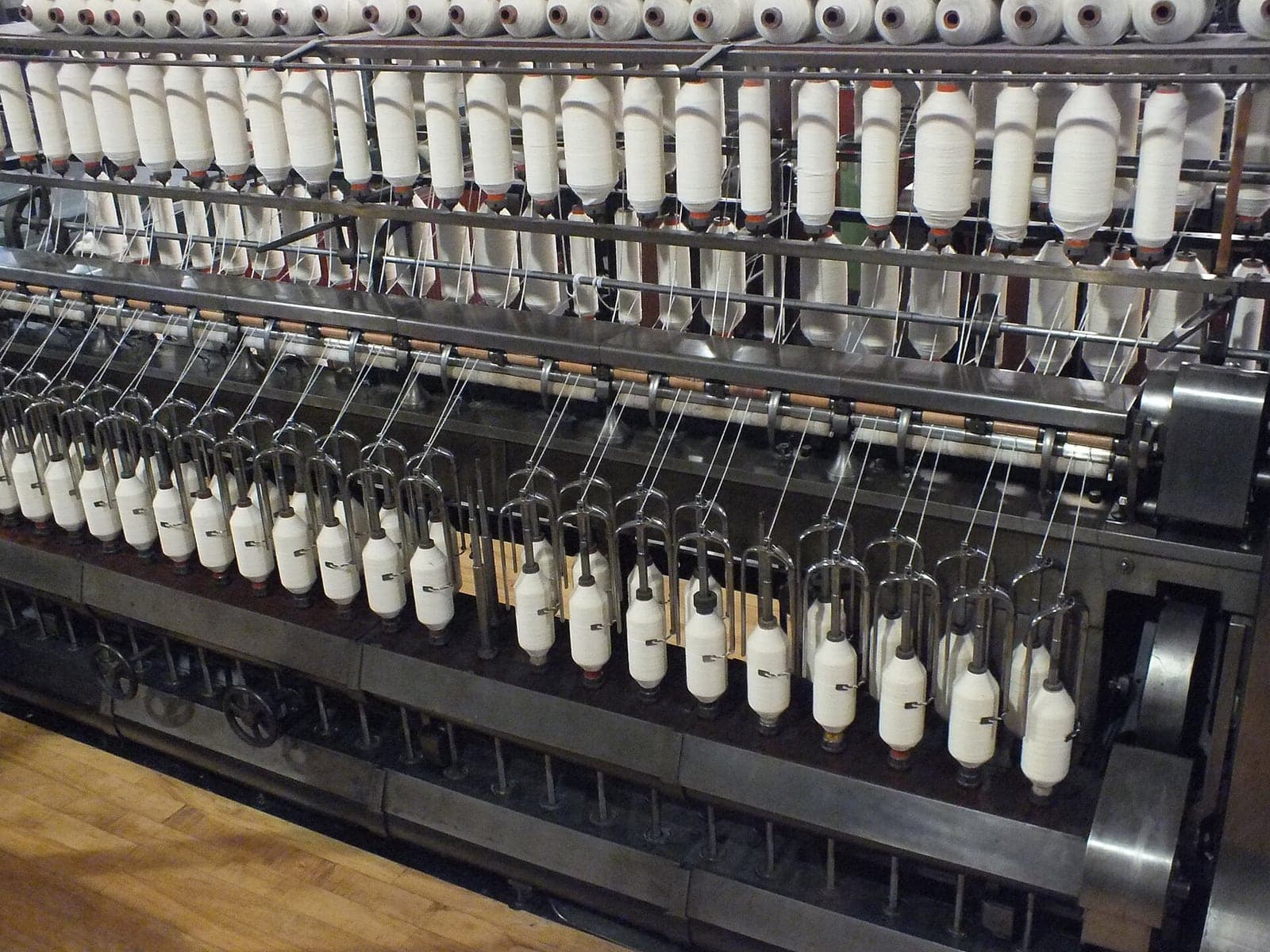
Textile ERP software modules
Eight integrated textile ERP modules — every one built around how mills actually work.
The textile production process a good ERP has to handle
Textile is not one process but a chain of them — and an ERP is only as good as its fit to each stage.
What makes textiles hard for generic software is that the material changes identity as it moves. Fibre becomes yarn, yarn becomes fabric, fabric becomes a finished, dyed, inspected roll, and — in an integrated business — that roll becomes cut, sewn garments. Each transformation has its own units, machines, quality checks, and costs, and a textile ERP has to follow the material through all of them without losing the thread.
- Spinning. Fibre is cleaned, carded and spun into yarn, tracked by count, twist, and lot.
- Weaving & knitting. Yarn becomes greige fabric on looms or knitting machines, by construction, GSM, and width.
- Dyeing & finishing. Greige becomes finished fabric by dye lot, shade, and recipe, with finishing that changes the product again.
- Cutting, sewing & packing. For integrated businesses, fabric becomes garments through cutting, sewing, and finishing, each with its own costing.
A generic ERP flattens all of this into a single "work order" and a single "item", which is why textile teams end up bending the software — or abandoning it for spreadsheets. Textile ERP software models each stage natively, so the same platform serves a spinner, a weaver, a dye house, and an integrated mill without a six-month customisation project.
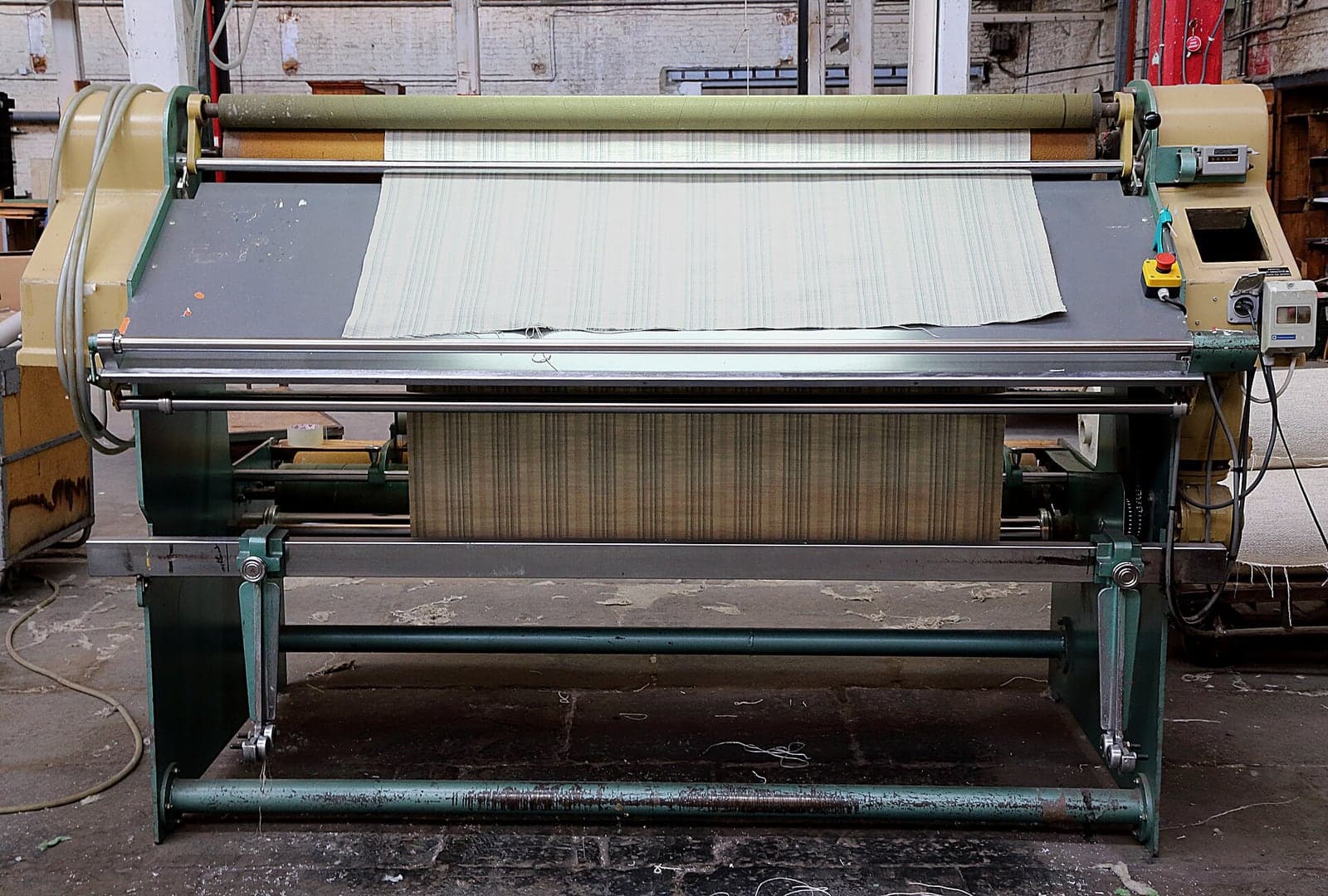
Generic ERP vs an ERP for the textile industry
This is the decision most textile buyers actually face: a big-name generic ERP that can be customised to textiles, or a system built for textiles from the start. The generic route works, but the fit has to be paid for — in customisation cost, in time, and in the gaps that customisation never quite closes. A textile-first system has the fit built in:
- Stock is tracked by roll, dye lot, shade, GSM, and width — not as a flat SKU count.
- Production is scheduled on looms, dyeing machines, and finishing lines, with real capacity.
- Quality runs 4-point inspection and shade matching, linked back to the exact roll and order.
- Cost and margin attach to every order, style, and lot automatically — no month-end reconciliation.
The rule of thumb: choose generic ERP if textile production is a small part of a larger, diverse business; choose a textile ERP if making and moving fabric or garments is the business. Weighing a specific system? See how we compare on SAP, Odoo, and Tally.
Textile ERP solutions for every stage
From spinning and weaving to dyeing, finishing, and cut-make-trim, Vastra ERP supports the whole chain. Choose the fit for your business: an ERP for textile manufacturers, a system for home textiles or technical textiles, or the vertical builds for apparel, garment, and clothing businesses.
Exporting? The platform is localized for major textile markets — see textile ERP by country for compliance, tax, and currency built in.
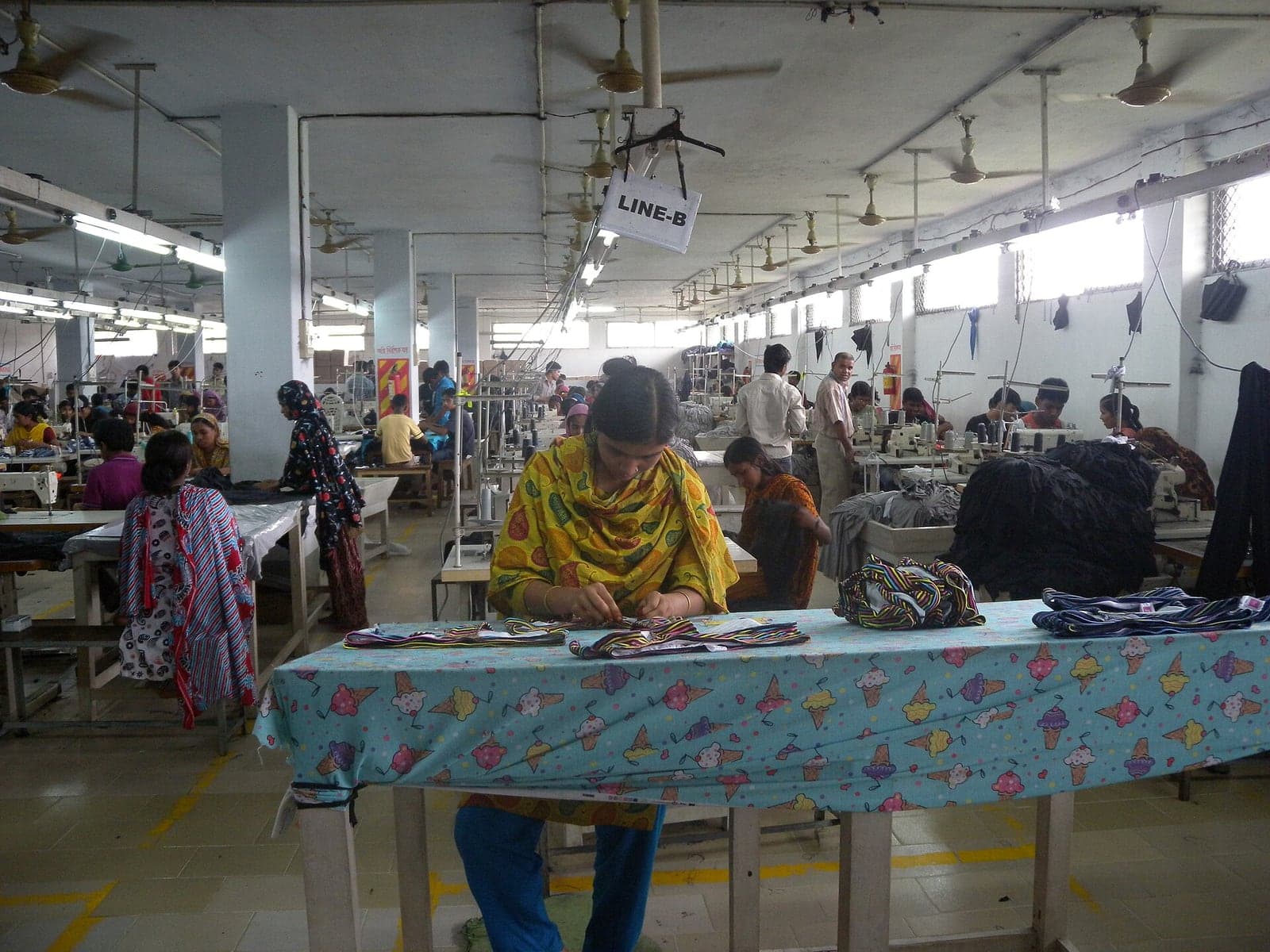
Signs you've outgrown spreadsheets and generic software
Most textile businesses do not decide to buy an ERP — they reach a point where the old way stops working. These are the signals.
Reconciling stock, order, and production spreadsheets has become a job in itself — usually at month-end, usually under pressure.
The honest answer to “can we take this order for the 20th?” is “let me check and call back”, because the data is not in one place.
The real status of production lives in two or three people’s heads, so the business goes blind when they are on leave.
You suspect specific customers, products, or seasons lose money, but no system ties cost to each order so you cannot prove which.
Fabric is tracked as a flat SKU, so nobody can answer how much of a quality, in which shade and dye lot, is actually on the shelf.
Your accounting software (often Tally) knows the money but nothing about rolls, looms, or 4-point inspection.
None of these is dramatic on its own. Together they are the sound of a business that has outgrown its tools — and the point at which a single textile ERP pays back fastest. We break the cost of the old way down in what spreadsheets really cost a textile business.
What textile ERP software costs — and how quickly it goes live
Cost. Textile ERP is priced in a few different ways across the market — per-user subscription, per-module, or a one-time licence plus an implementation fee — and many enterprise vendors quote only on request, which makes budgeting hard. Vastra ERP publishes its price — a flat monthly fee with unlimited users plus a one-time setup fee — so the cost is predictable and there is no enterprise licence to buy. Crucially, because the system is pre-built for textiles, you are not paying for the biggest hidden cost of a generic ERP: the customisation to teach it rolls, dye lots, and looms. See current plans on the pricing page.
Implementation. A standard single-unit operation typically goes live in one to two weeks, because the textile workflows are configured rather than custom-built. The practical path is to start with the most painful area — usually inventory or order status — prove the value, then switch on production, quality, and finance in stages. Multi-plant or multi-entity rollouts take longer, but still far less than the multi-month timelines generic ERP implementations are known for.
Return. The payback is not a single feature but the removal of the reconciliation tax, the decision delay, and the invisible margin erosion that fragmented systems create — replaced by one source of truth that inventory, production, quality, sales, and finance all work from.
8
Integrated modules
1–2 wk
Typical go-live
Multi-currency
Global invoicing
Textile-first
Purpose-built, not generic ERP
See the textile ERP system in action
A full product demo, plus a closer look at how the mill processes are managed.
Full demo — billing, stock, production and costing
Managing spinning, weaving and dyeing
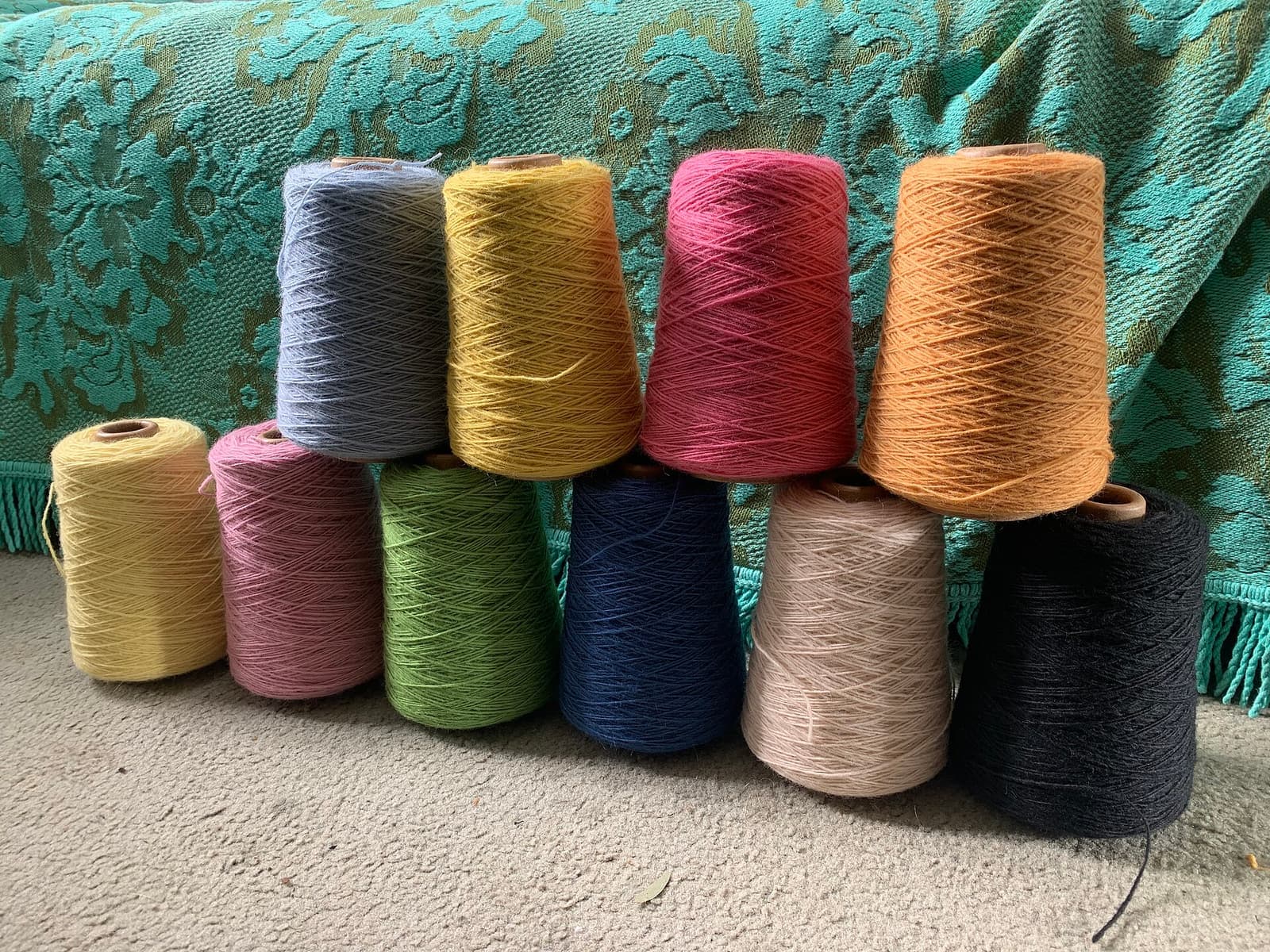
One textile ERP system, one source of truth
Because every module shares the same data, a fabric roll booked into inventory is the same roll planned into production, inspected on the quality line, shipped against an order, and costed in finance. That is the difference between software that reports on your mill and software that actually runs it.
Textile ERP software — frequently asked questions
What is textile ERP software?
Textile ERP software is an enterprise resource planning system built specifically for the textile industry. Unlike generic ERP, it understands rolls, dye lots, shade, GSM, looms, and 4-point inspection, and it connects inventory, production planning, quality, orders, and finance on one platform so a mill runs from a single source of truth.
How is textile ERP different from generic ERP?
A generic ERP treats fabric as a single SKU. Textile ERP software tracks stock at the roll and dye-lot level, schedules looms and dyeing machines, runs 4-point inspection, and rolls cost up per order and lot automatically — capabilities a general system needs heavy customization to approximate.
What modules does textile ERP software include?
Vastra ERP includes eight core textile ERP modules: inventory and warehouse, production planning, order management, supply chain, quality control, financial management, analytics, and sustainability — each designed around textile workflows and linked to the others.
Is the textile ERP system cloud-based?
Yes. Vastra ERP is a cloud-native textile ERP system with web and mobile access, so mills, dye houses, and exporters can work from the shop floor, the office, or the road without managing servers.
How long does textile ERP software take to implement?
Standard textile operations typically go live in 1–2 weeks because the workflows are pre-built rather than custom-developed. Multi-plant or multi-entity rollouts take a little longer, but far less than the multi-month timelines of general-purpose ERP.
What are the main stages of textile production an ERP needs to handle?
A textile ERP has to follow material across the whole chain: spinning (fibre to yarn, tracked by count and lot), weaving or knitting (yarn to greige fabric, by construction and loom or machine), dyeing and finishing (greige to finished fabric, by dye lot, shade, and recipe), and — for integrated businesses — cutting, sewing, and packing into garments. Each stage has its own units, machines, and quality checks, and a textile-fit ERP models them natively instead of forcing them into a generic 'work order'.
Why do textile manufacturers struggle with data silos?
Because most textile businesses grow one function at a time: stock in one spreadsheet, production on a whiteboard, orders in a register, accounts in Tally. Each works alone, but none talks to the others, so the same information is re-keyed at every hand-off and no one can see a fabric roll's full journey. Textile ERP software removes the silos by holding every function on shared data — one roll, one record, visible to inventory, production, quality, sales, and finance at once.
When does it stop making sense to run a textile business on spreadsheets?
When reconciling the spreadsheets has become a job in itself; when the honest answer to 'can we take this order for the 20th?' is 'let me check and call back'; when the real status of production lives in two or three people's heads; and when you suspect specific orders lose money but cannot prove which. Those are the signs the fragmented system has become the bottleneck, and a single textile ERP pays back fastest exactly there.
How does textile ERP improve shop-floor management?
It replaces the whiteboard and the verbal update with a live plan. Work is scheduled on real loom, dyeing, and finishing capacity; supervisors see the day's targets and log actual output against them; work-in-progress is visible by style, shade, and lot; and bottlenecks surface early enough to act on. The floor stops being a black box between order and dispatch and becomes a measured, managed operation.
How much does textile ERP software cost?
Pricing models vary across the market — per-user subscription, per-module, or one-time licence plus implementation — and many enterprise vendors quote only on request. Vastra ERP publishes its price: ₹12,000 a month flat with unlimited users, plus a one-time ₹50,000 setup fee — for most textile SMEs far more affordable and predictable than a large licence-plus-customisation project. Because it is pre-built for textiles, most of the cost of a generic ERP — the customisation to teach it rolls, dye lots, and looms — simply is not there.
See Vastra ERP in action
Book a 30-minute demo and we'll show you exactly how our textile ERP software handles your dye lots, looms, orders, and costing.
Image credits: Clem Rutter, Rochester, Kent (CC BY 3.0) · Jamain (CC BY-SA 4.0) · Tareq Salahuddin (CC BY 2.0)