Insights for the modern textile business
18,000+ words of actionable insights from textile technology experts.
 Guides
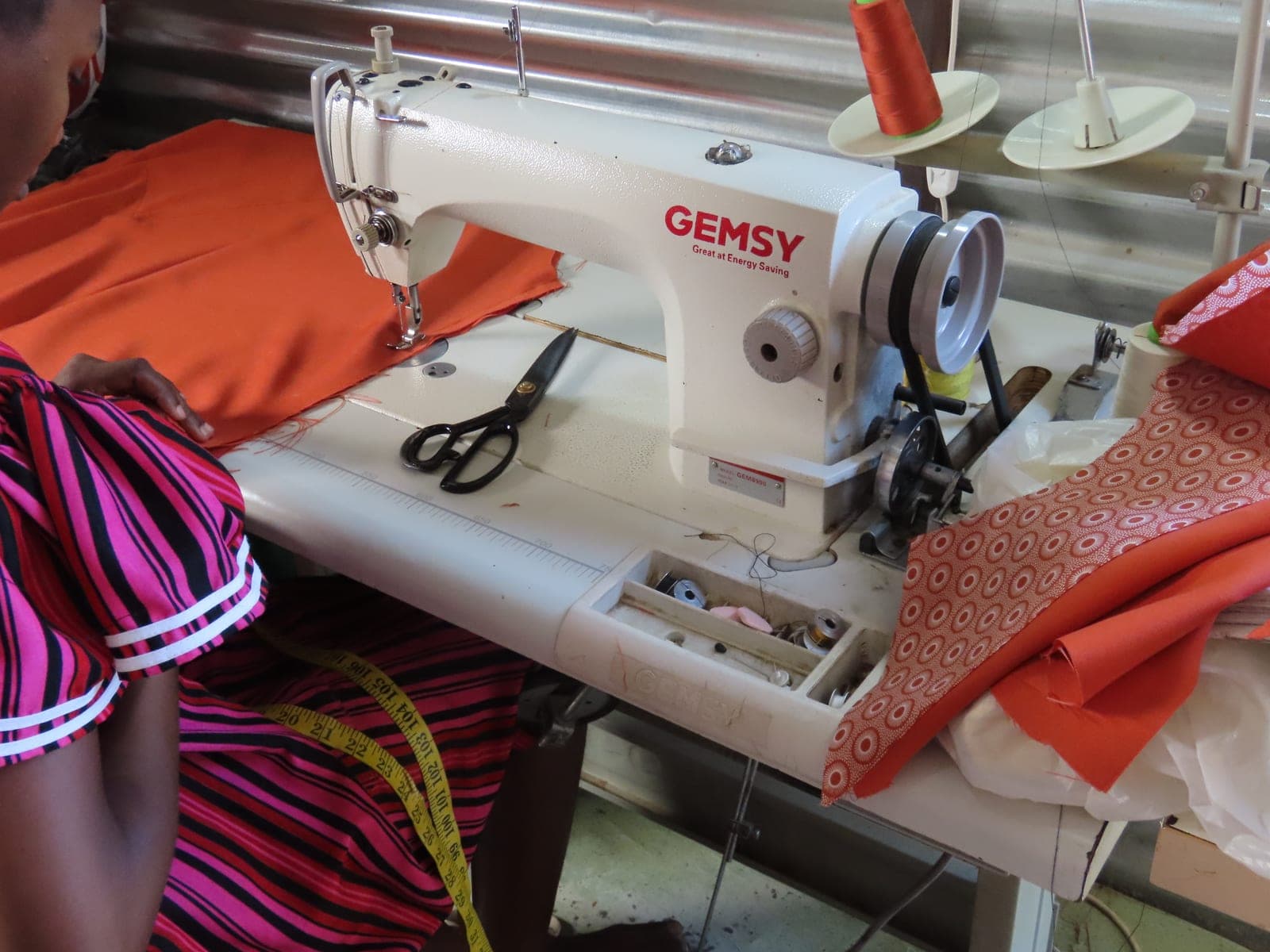
How to Choose Tailoring Software
The features that actually matter, the questions to ask before you buy, and how to start without picking the wrong tool.
 Guides
Garment Shop Billing Software: What a Readymade Store Needs
Size/colour stock, barcode billing, value-based garment GST, exchanges and wholesale — what to look for, and the trap generic billing tools fall into.
 Guides
What Is a Tech Pack? A Complete Guide
What goes in a tech pack, why it decides your sample-round count, tech pack vs spec sheet, and when a spreadsheet stops being enough.
 Guides
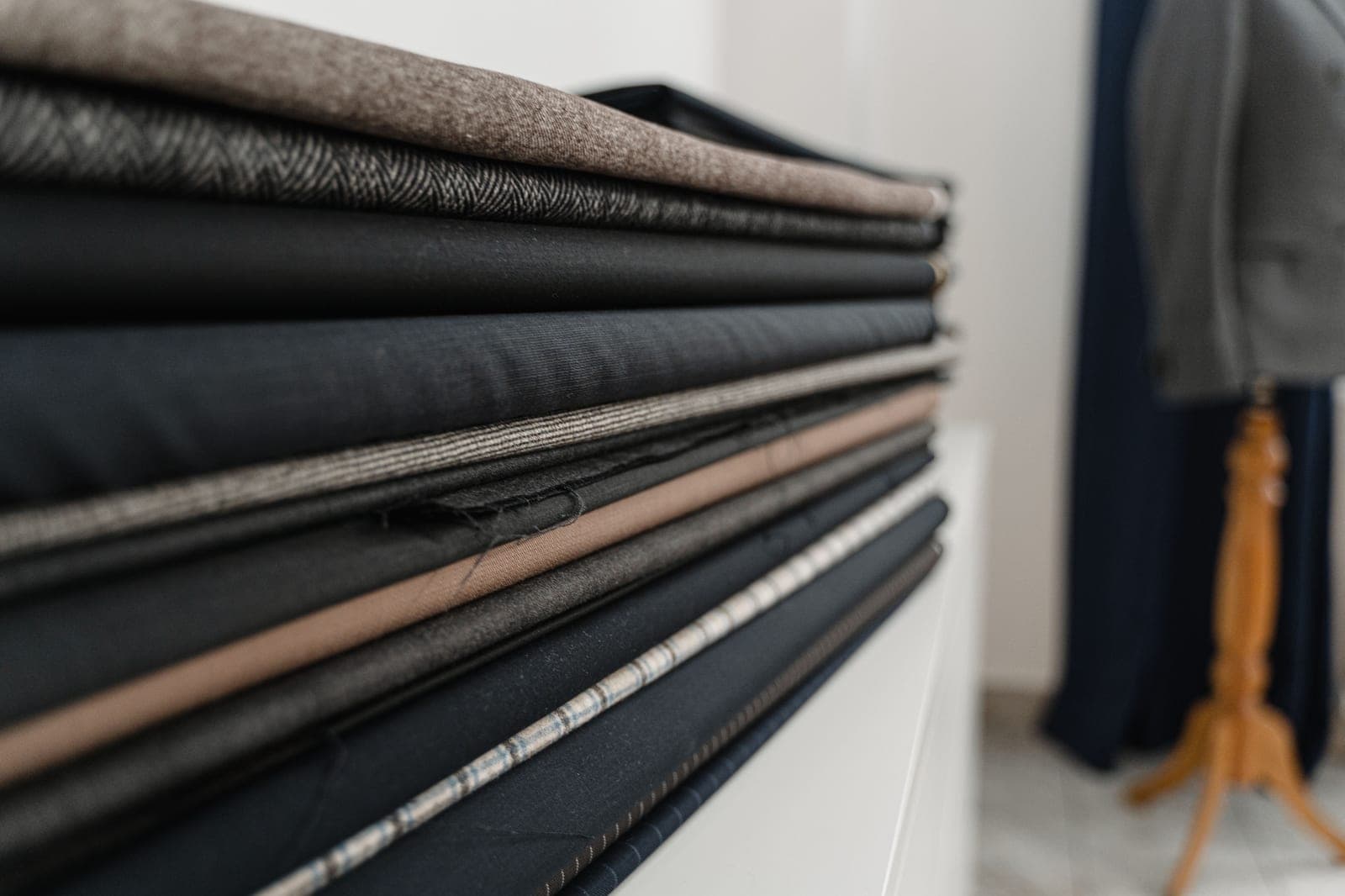
Types of Fabric: A Complete Guide
Fabric by fibre, construction and finish — the practical breakdown, plus how AI-powered ERP keeps every quality straight in stock.
 Guides
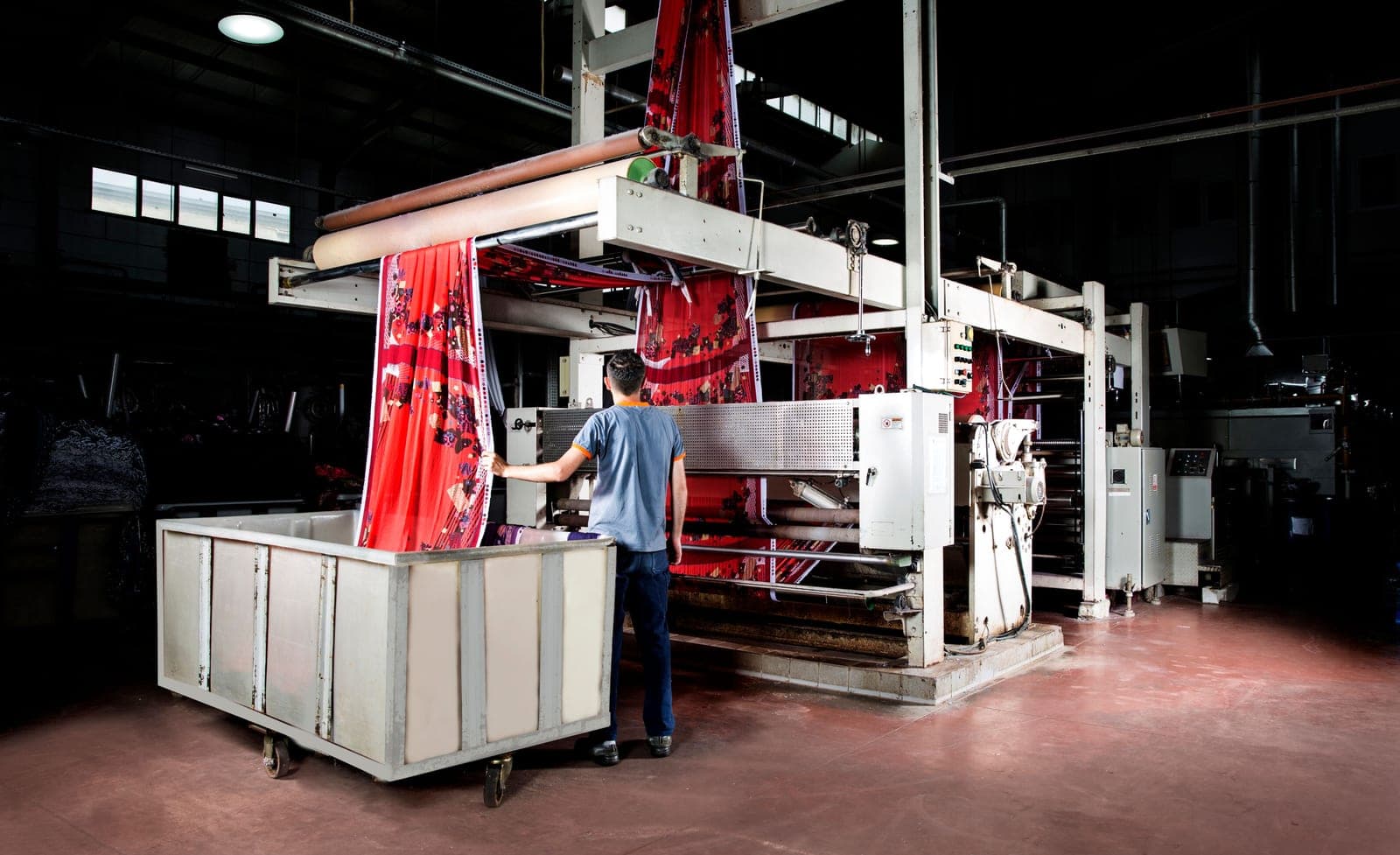
Textile Printing Methods Explained
Screen, rotary, digital, block — how the main printing methods compare on cost and run length, and how ERP tracks every run.
 Guides
GSM of Fabric: What It Means and Why It Matters
The single number that most often decides accept-or-reject — what GSM means, how it's measured, and why it's really a data problem.
 Guides
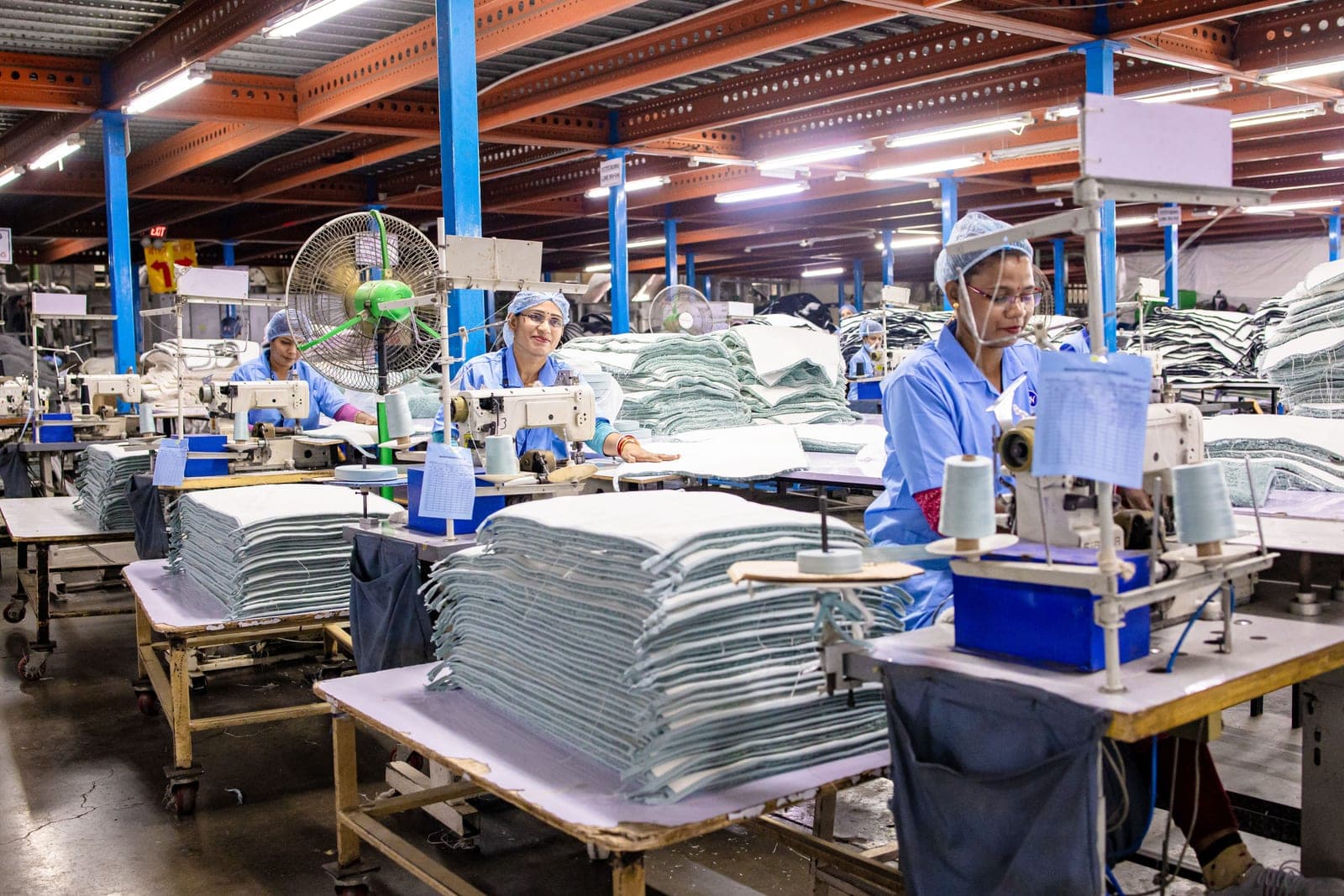
Textile Production Planning: Order to Dispatch
Where a textile business keeps or breaks its delivery promises — what good planning involves, and how AI-powered ERP makes it live.
 Guides
Fabric Defects: Types, Causes & AI Detection
Caught at inspection it's a re-grade; caught by the buyer it's the relationship — the common defects, their causes, and AI detection.
 Guides
Document AI for Textile Businesses
POs, invoices, challans, lab reports — still retyped by hand. How document AI reads paper and images into data automatically.
 Guides
How to Start a Textile Business: A Practical Guide
Which model to pick, what capital you really need, and why your first customer matters more than your first machine. The parts most guides skip.
 Guides
Writing a Textile Business Plan That Survives Reality
A business plan isn't a document for the bank — it's the argument for why you'll still have cash in month nine. Section by section, with the maths most plans get wrong.
 Guides
ERP vs MRP: What's the Difference?
MRP works out what to buy and when. ERP runs the whole business. Why MRP alone breaks on the first dye lot.
 Guides
ERP vs MES: What Does Your Floor Need?
MES watches the floor. ERP runs the business. Why MES alone gives you data you cannot cost.
 Buyer's Guide
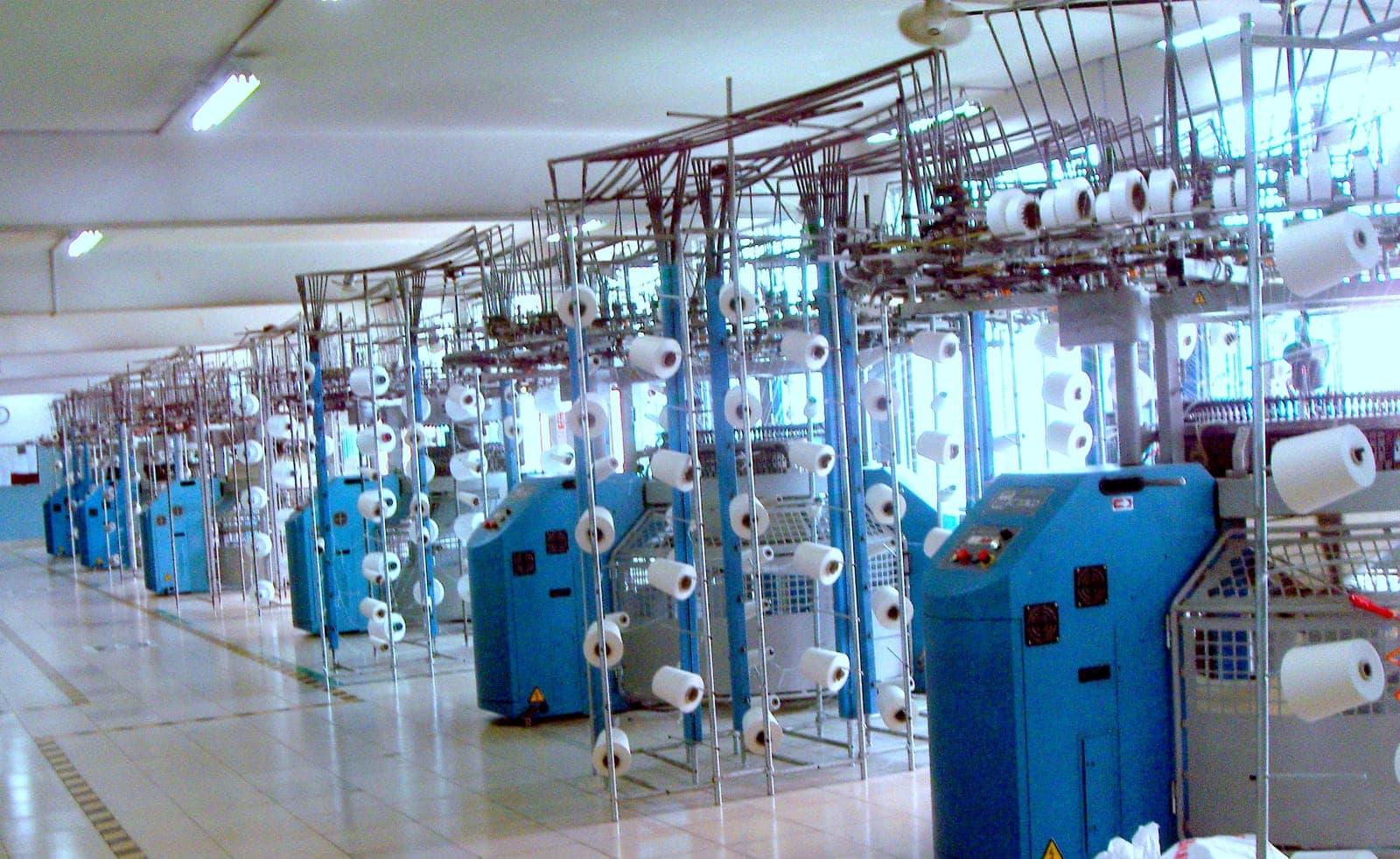
Textile ERP vs Generic ERP: What Breaks
Generic ERP isn't bad software — it's built on assumptions that are false in textiles. Each one becomes a workaround you pay for forever.
 Guides
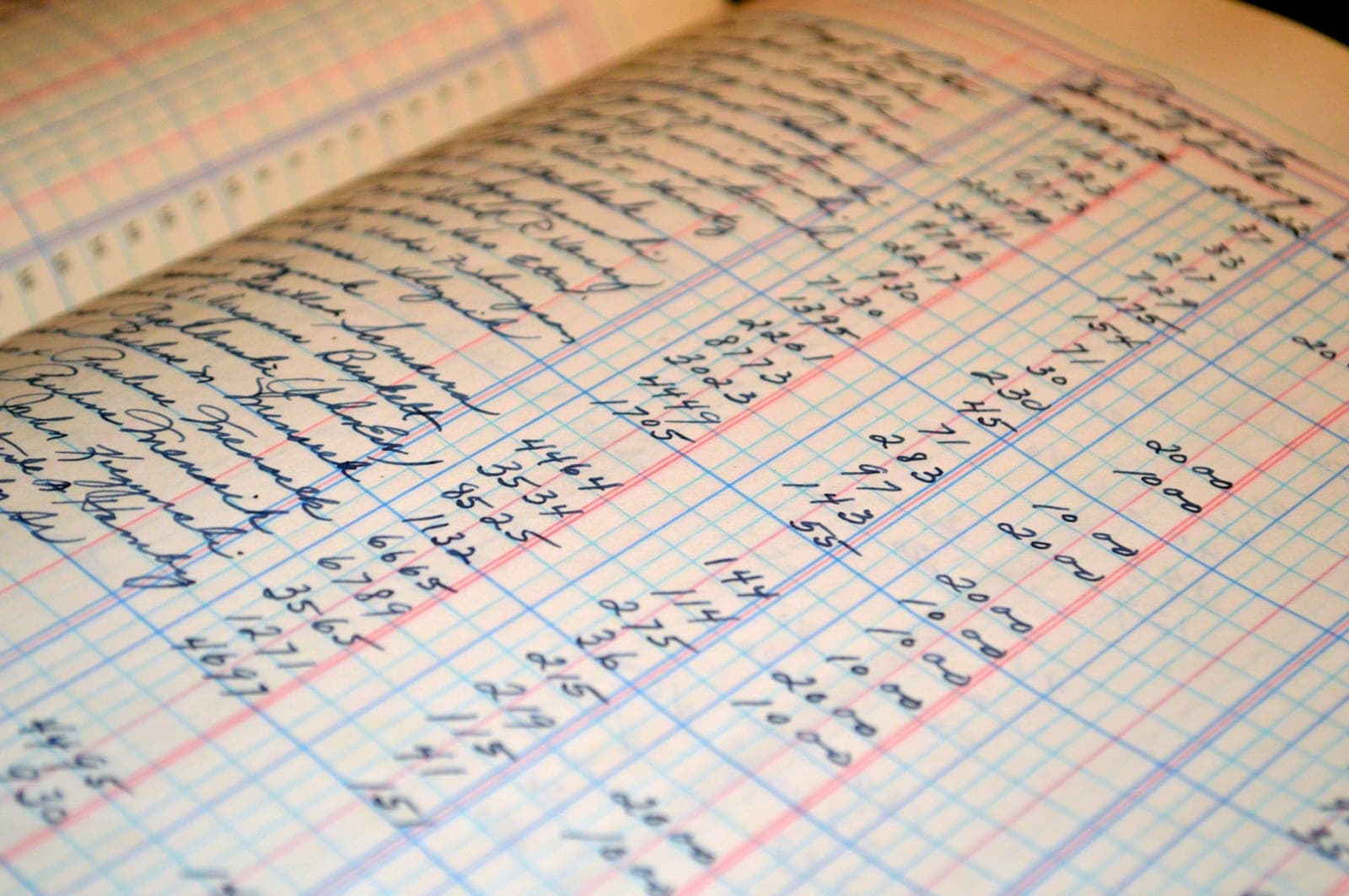
Handwriting Recognition for Textile Records
Challans, order books, karigar registers — how AI handwriting recognition turns handwritten records into digital data, and where a human still checks.
 Guides
The Textile Dyeing Process Explained
Where colour is created and most often goes wrong — the dyeing stages, where shade variation creeps in, and how AI keeps it consistent.
 Guides
What Is a Shade Card?
How a textile business agrees on colour — what a shade card is, how it's used across the supply chain, and how AI is changing colour management.
 Guides
AI in the Textile Industry: A Practical Guide
Where AI actually helps a textile manufacturer today — documents, defects, demand, maintenance — and how to tell the real from the oversold.
 Guides
Mercerization: What It Is and Why It Matters
The finishing process that gives cotton its sheen, strength and better dye uptake — what it does, how it works, and keeping it consistent.
 Guides
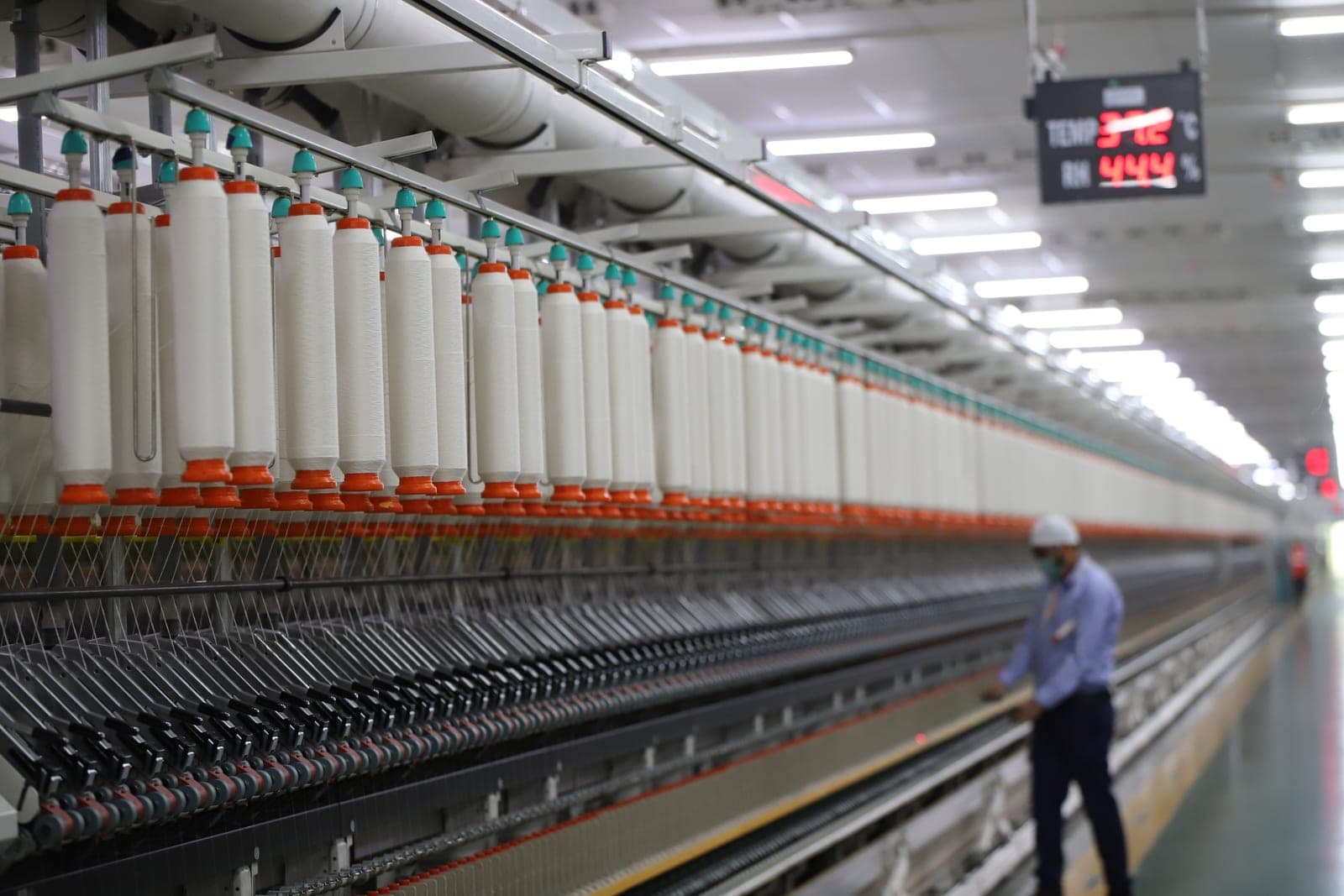
Ring Spinning: How Cotton Becomes Yarn
Still the dominant way the world turns fibre into yarn — how it works, where quality is won or lost, and how ERP keeps output measured.
 Guides
Types of Weaving: Plain, Twill and Satin
Almost every woven fabric is built from one of three basic weaves — a clear guide, and why the weave shapes everything downstream.
 Guides
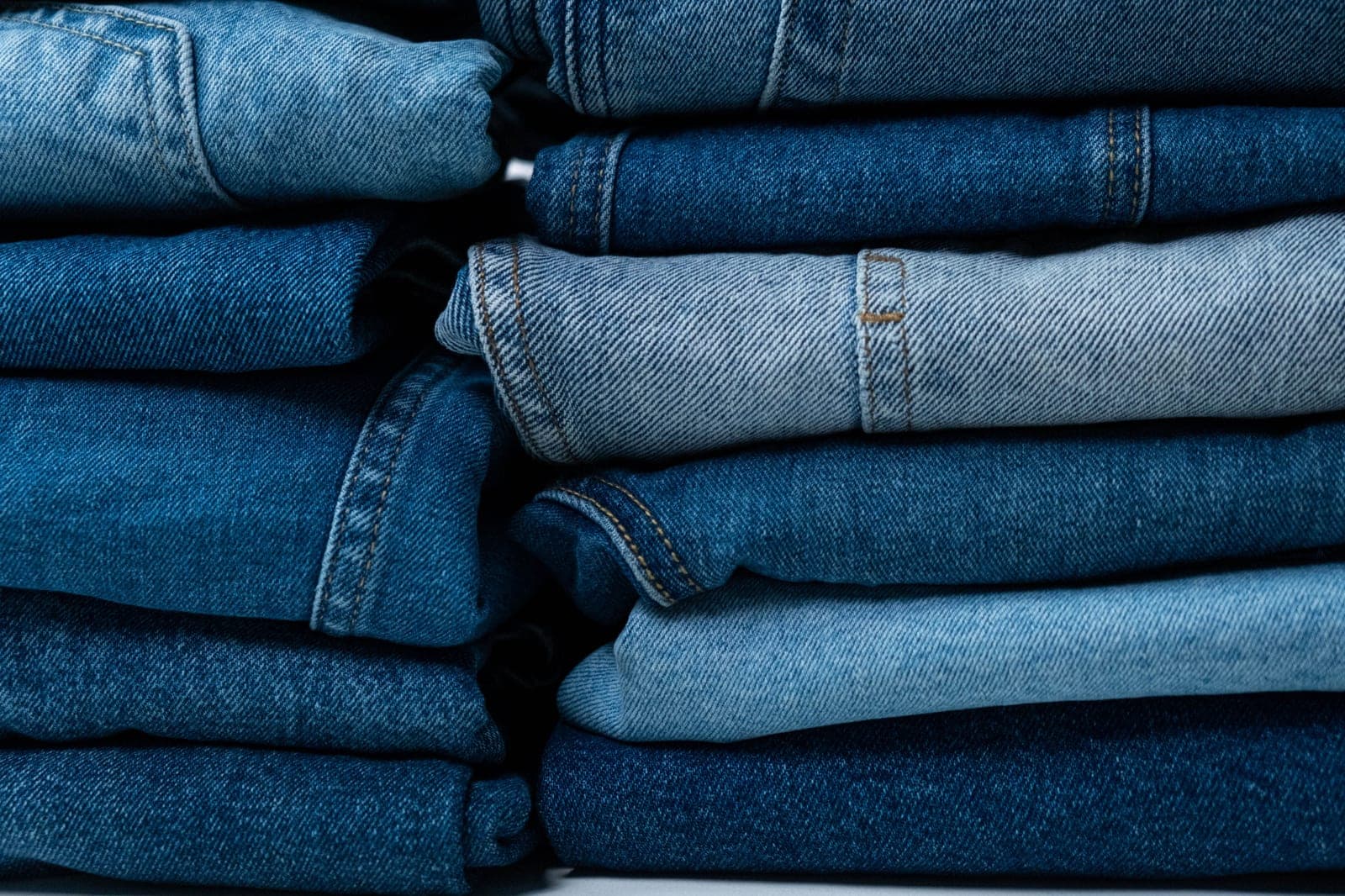
Denim Washing: Techniques and Effects
Two identical pairs of jeans sell at different prices purely because of the wash — how denim washing works, and how it's managed.
 Guides
The Weaving Process Explained
Turning yarn into fabric on a loom — the preparation stages most people never see, and where a mill manages it.
 Guides
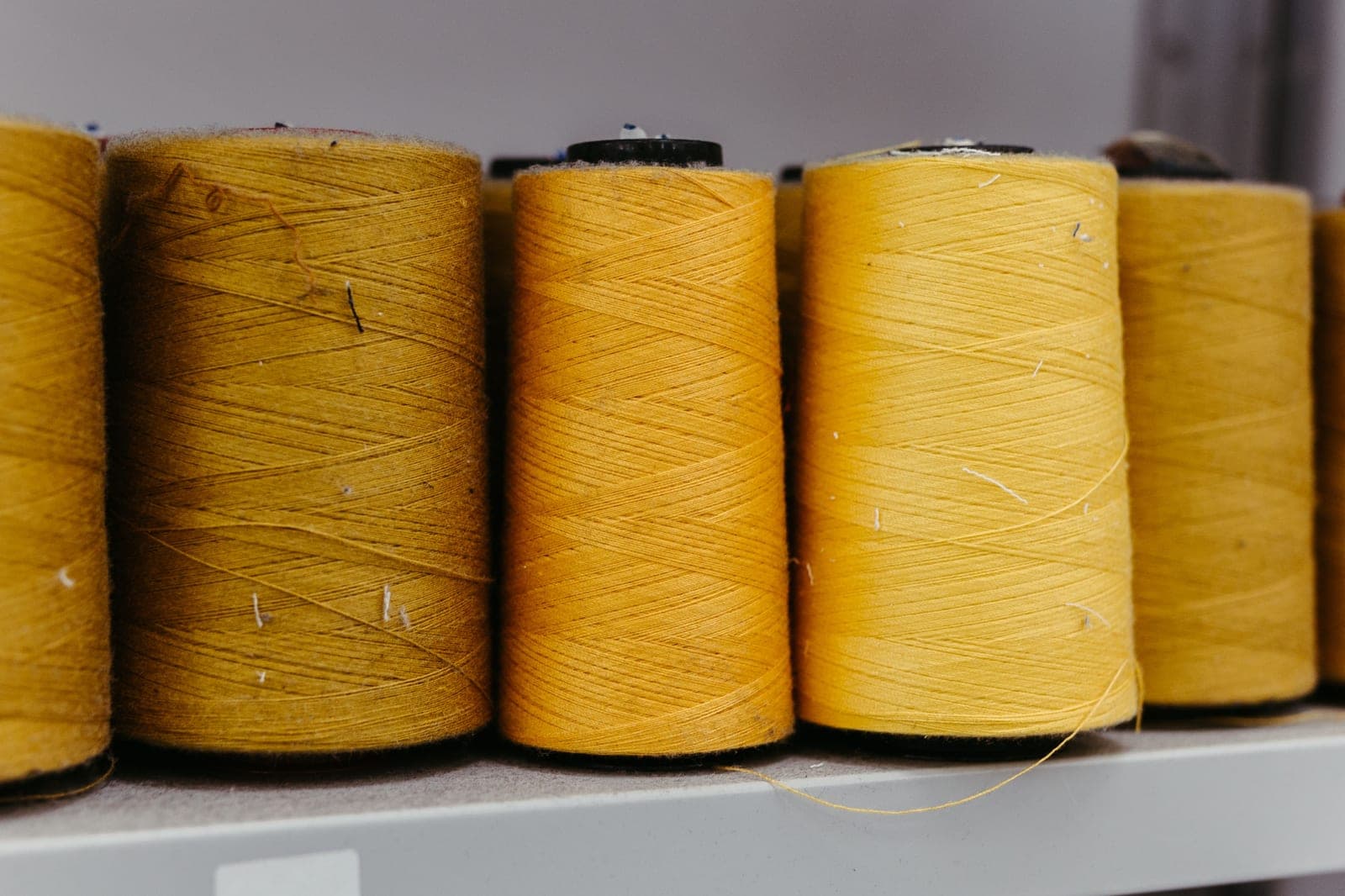
Yarn Count: What It Means and How It's Measured
The number that describes how fine or coarse a yarn is — quoted everywhere and confused by everyone because the systems run backwards.
 Guides
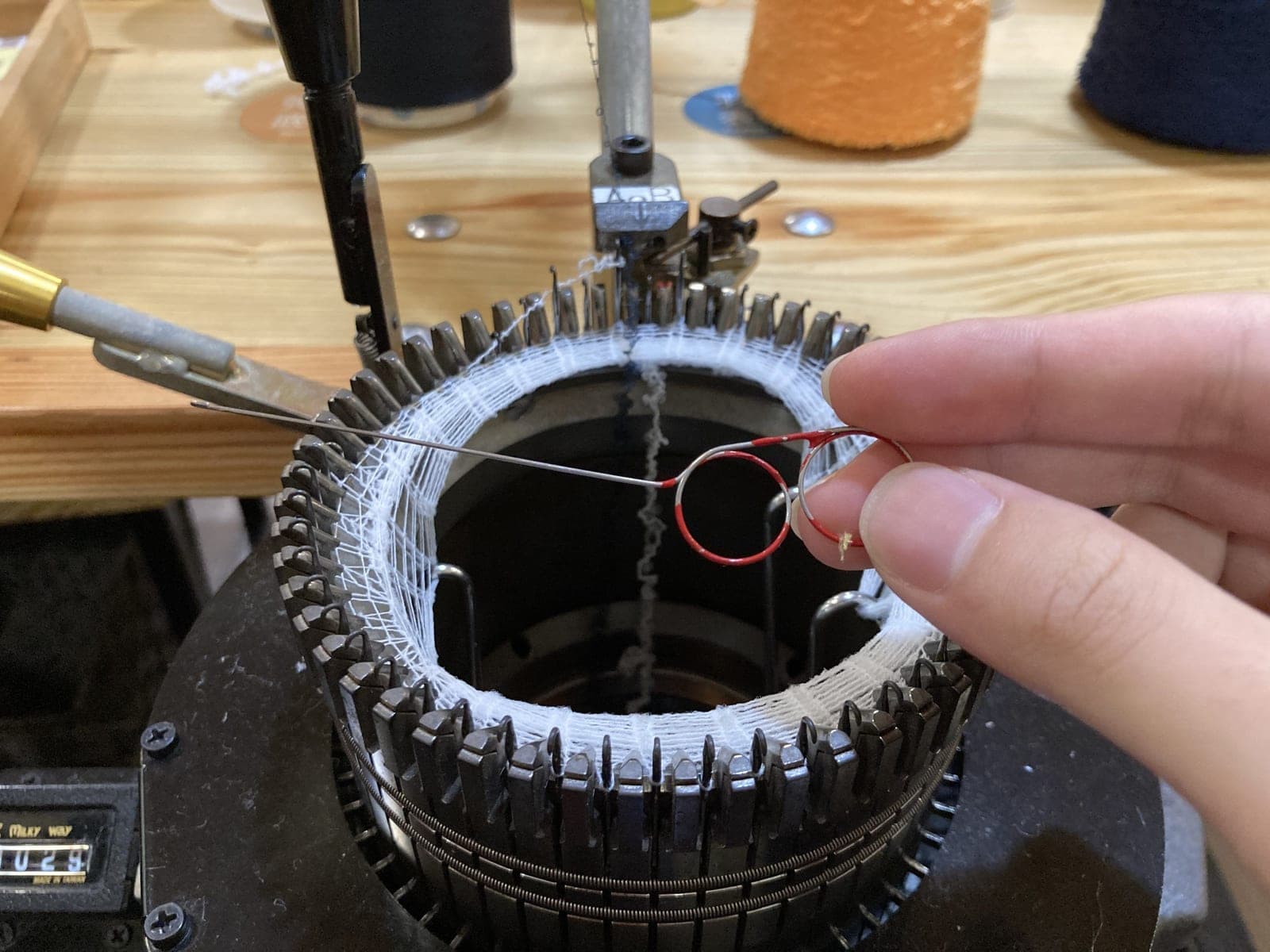
Types of Knitting: Warp vs Weft
How knit fabric is made by interlooping yarn — the two fundamentally different processes, common structures, and managing a knitting unit.
 Guides
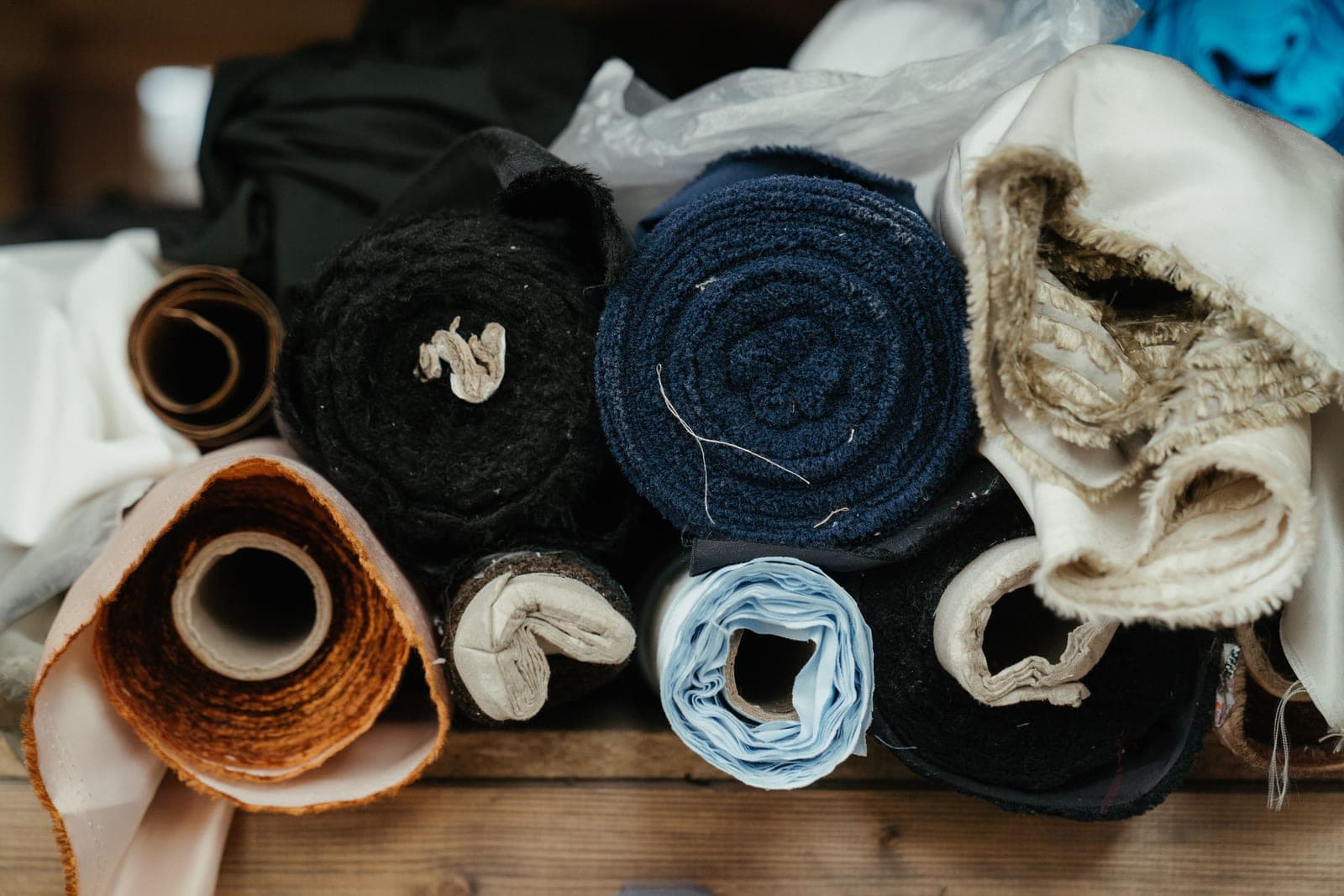
Fabric Finishing: Greige to Product
Fabric off the loom is rarely sellable as-is — the processes that turn greige into a usable product, and where value and defects are created.
 Guides
The Carding Process in Spinning
'The heart of spinning' — where tangled raw cotton becomes a clean aligned web, and where a lot of the yarn's quality is quietly decided.
 Guides
Garment Costing: How to Cost a Garment
Cost a style low and lose on every piece; cost it high and lose the order — how to cost a garment properly, and where AI removes the guesswork.
 Guides
Invoice Processing: AI & OCR Automation
Supplier invoices are still keyed in by hand, one line at a time — how AI and OCR turn a stack of invoices into matched, posted payables.
 Guides
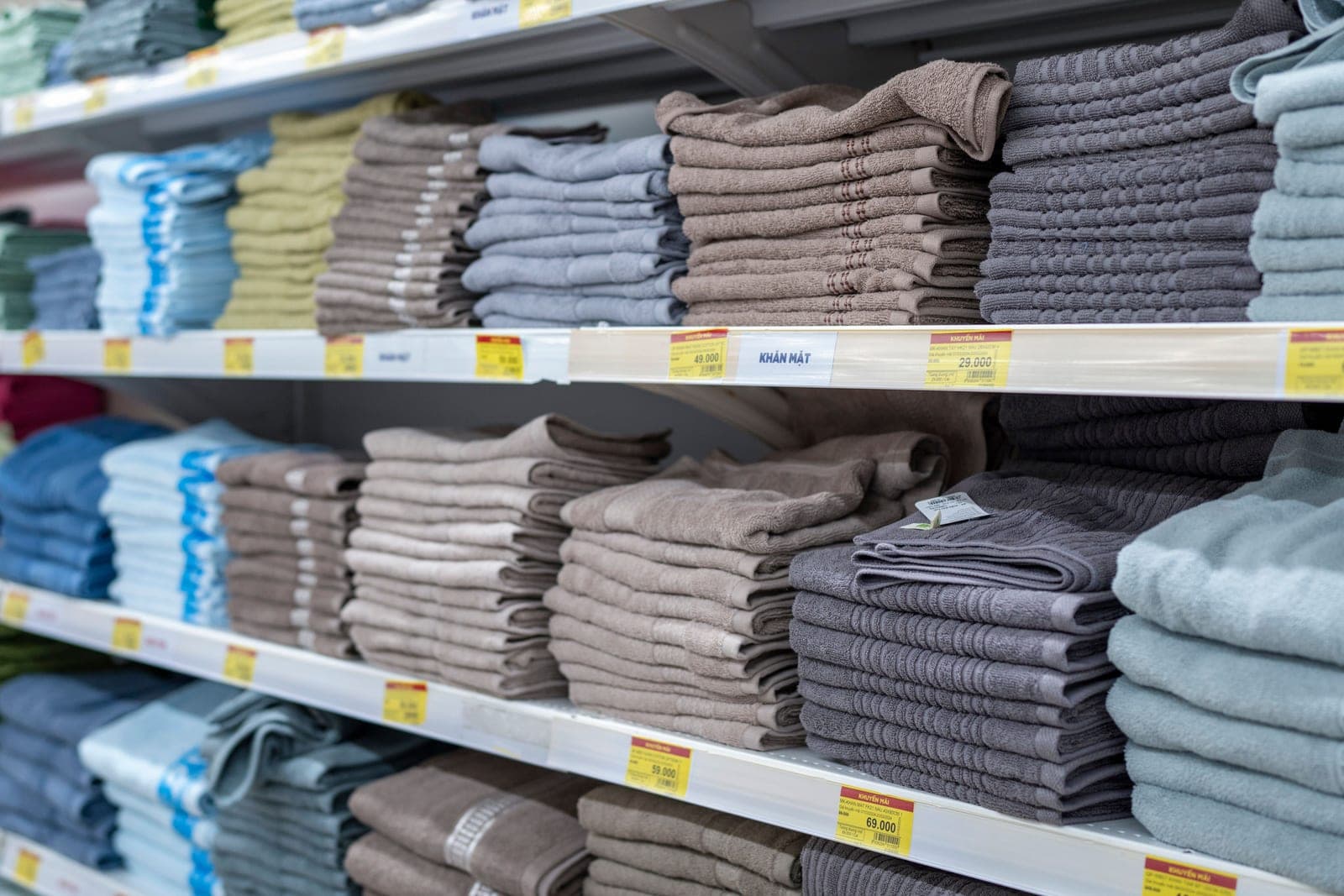
Home Textiles: Products & the Business
A huge, overlooked segment — bed, bath, kitchen and living products in enormous volumes — what makes the business distinct, and the ERP behind it.
 Guides
Technical Textiles: What They Are
The fabrics you never think of as fabric — airbags, surgical masks, road embankments, body armour — what they are and how they're made.
 Buyer's Guide
How Much Does Textile ERP Software Cost? A 2026 Guide
Pricing models, what drives cost, the hidden costs, cloud vs on-prem, ROI, and honest ballpark ranges for mills and exporters.
 Guides
Bill of Materials (BOM) in Garment Manufacturing
The list of everything that goes into a product — and the document that decides whether your costing, procurement and production add up.
 Buyer's Guide
Free Textile ERP Software: Open-Source Options and the Real Cost
Real free and open-source textile ERP options exist — but "free" moves the cost, it doesn't remove it. An honest look at the options, hidden costs, and when paid pays back.
 Guides
Purchase Order Management in Textiles
The purchase order is where a business commits its money — how PO management works, and where AI removes the manual grind.
 Guides
What Is a Lab Dip?
Before a metre is dyed in bulk, the colour must be approved — what a lab dip is, why it's make-or-break, and how digital colour speeds it up.
 Industry Insights
The Garment Manufacturing Industry: How Factories Run on ERP
How the garment industry is structured, the CMT and FOB models, and why modern factories run on ERP instead of paper.
 Guides
Sanforization: Controlling Fabric Shrinkage
Ever had a garment shrink in the first wash? Sanforization is designed to prevent exactly that — what it is and how it controls shrinkage.
 Guides
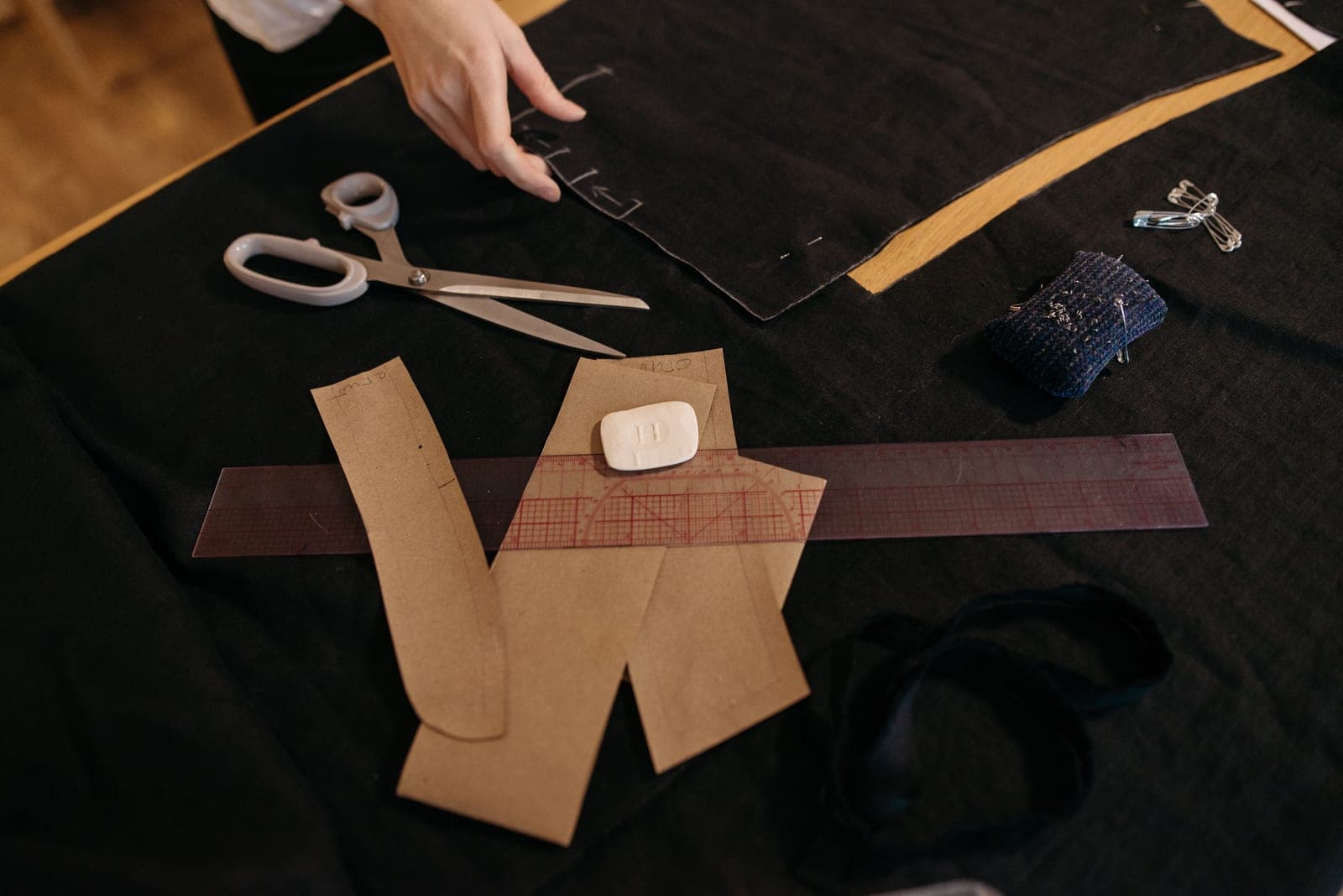
Embroidery Digitizing Explained
Between a logo and a stitched design sits a skilled, invisible step — what digitizing is, why it decides quality, and managing embroidery production.
 Guides
Marker Making: Saving Fabric Before the Cut
Fabric is the biggest cost in a garment, and most of the saving happens before anyone picks up a knife — in marker making.
ManufacturingTextile Dyeing and Finishing: Process, Problems, and Quality
How dyeing and finishing works, why dye lots and shade matching cause trouble, and how ERP keeps quality under control.
 Guides
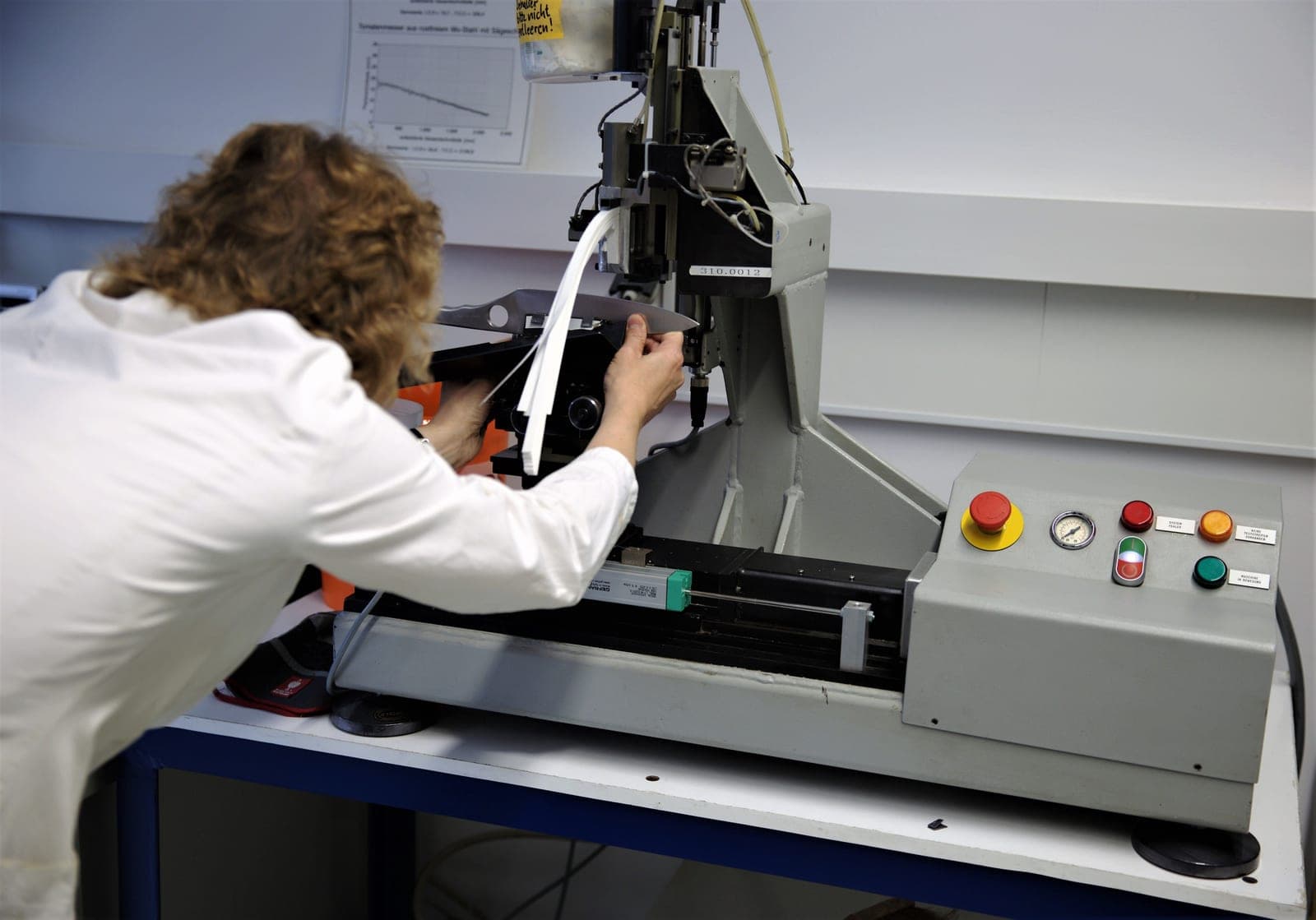
Textile Testing: The Key Quality Checks
Behind every reliable fabric is a battery of tests buyers never see but always depend on — the main tests, and why capturing the data matters.
 Guides
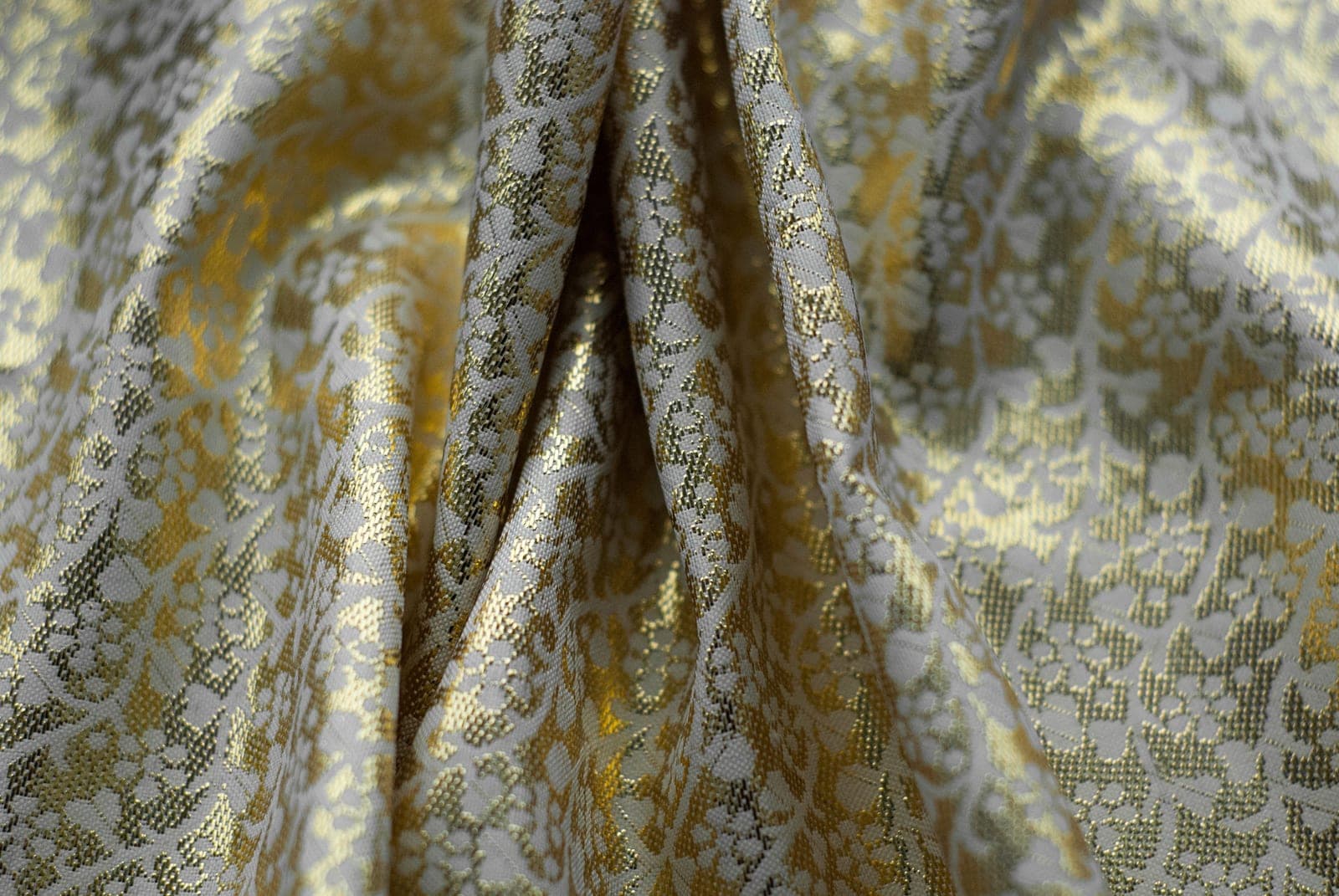
Jacquard Fabric: What It Is and How Made
The fabric where the pattern is woven in, not printed on — brocade, damask, and intricate silks. What it is and how the loom makes it.
 Guides
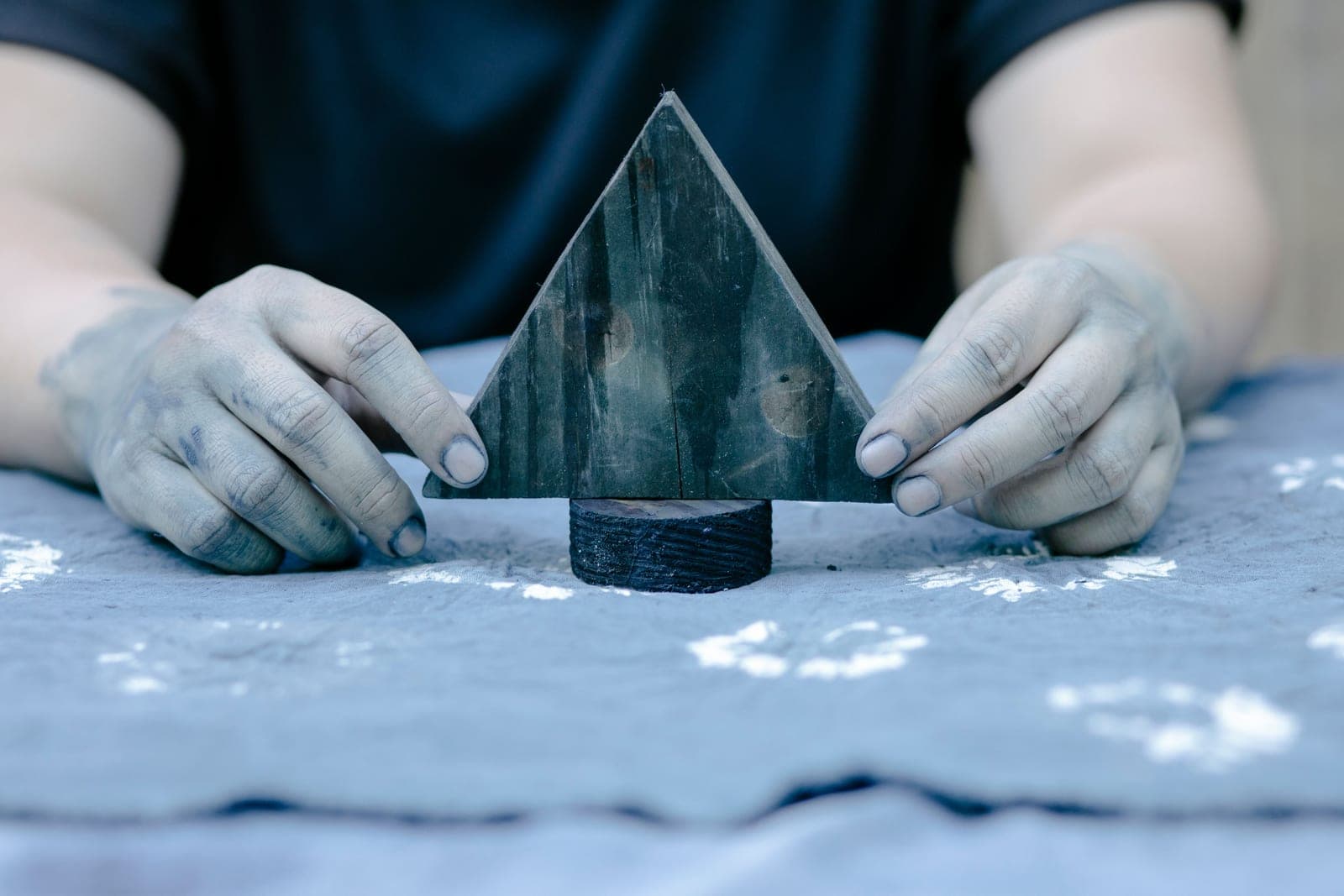
Block Printing: Craft, Process & Production
One of India's great textile traditions and a real production business — how block printing works and how a workshop manages it.
 Manufacturing
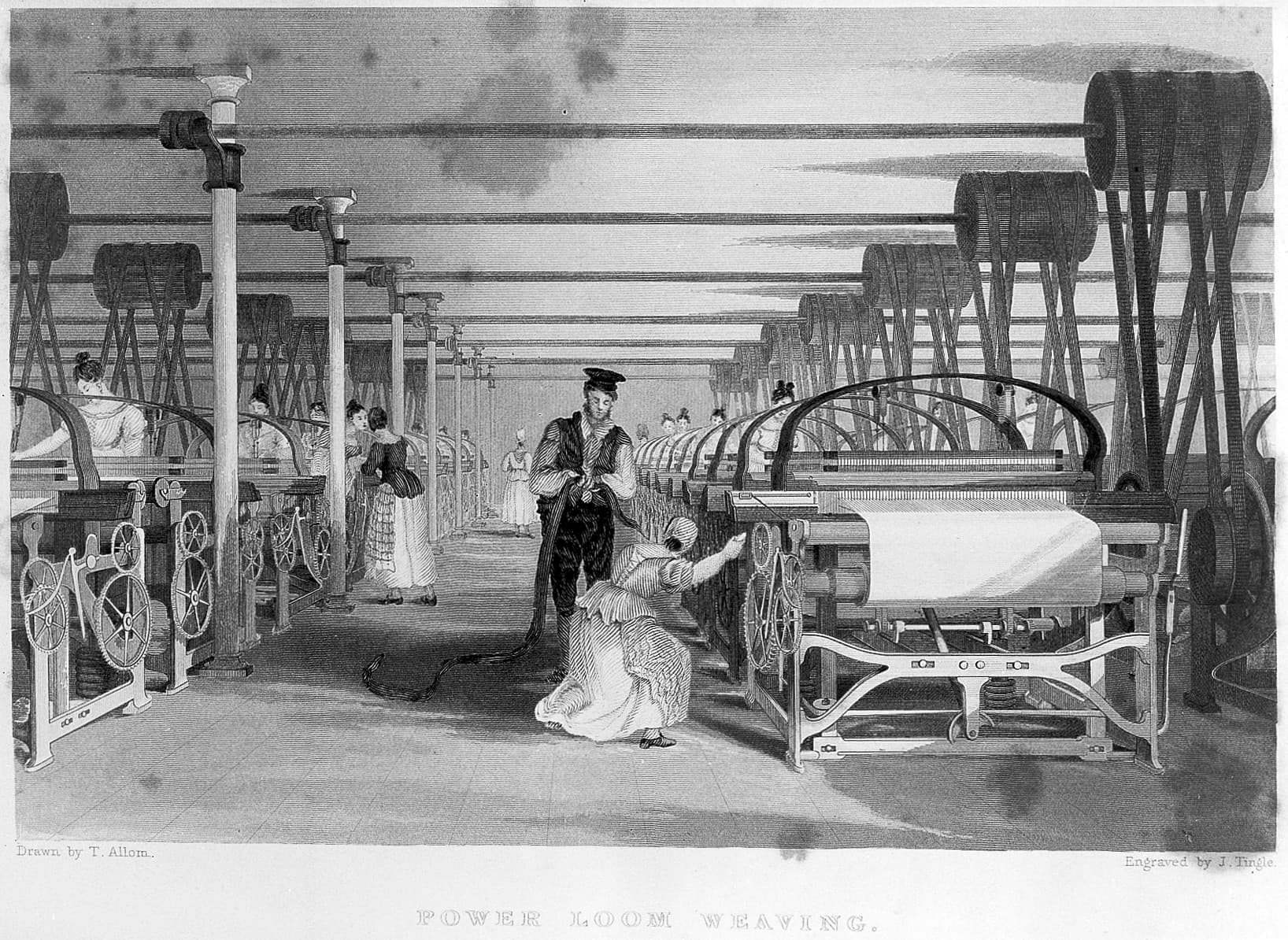
Weaving Mill Operations: A Practical Guide
The weaving workflow, loom scheduling and efficiency, beam management, quality, and how ERP keeps looms running.
 Guides
Non-Woven Fabric: What It Is & Where Used
Masks, wipes, geotextiles — fabric made without spinning or weaving a single thread. What it is, how it's made, and why it's booming.
 Guides
Sublimation Printing: How It Works
Why a sports jersey's all-over design never cracks, fades or peels — how sublimation printing works, and what it's best and worst at.
 Guides
Tie and Dye: Techniques & Production
Bandhani, shibori, endless resist patterns — both ancient craft and live fashion business. How it works, and managing it as production.
 Guides
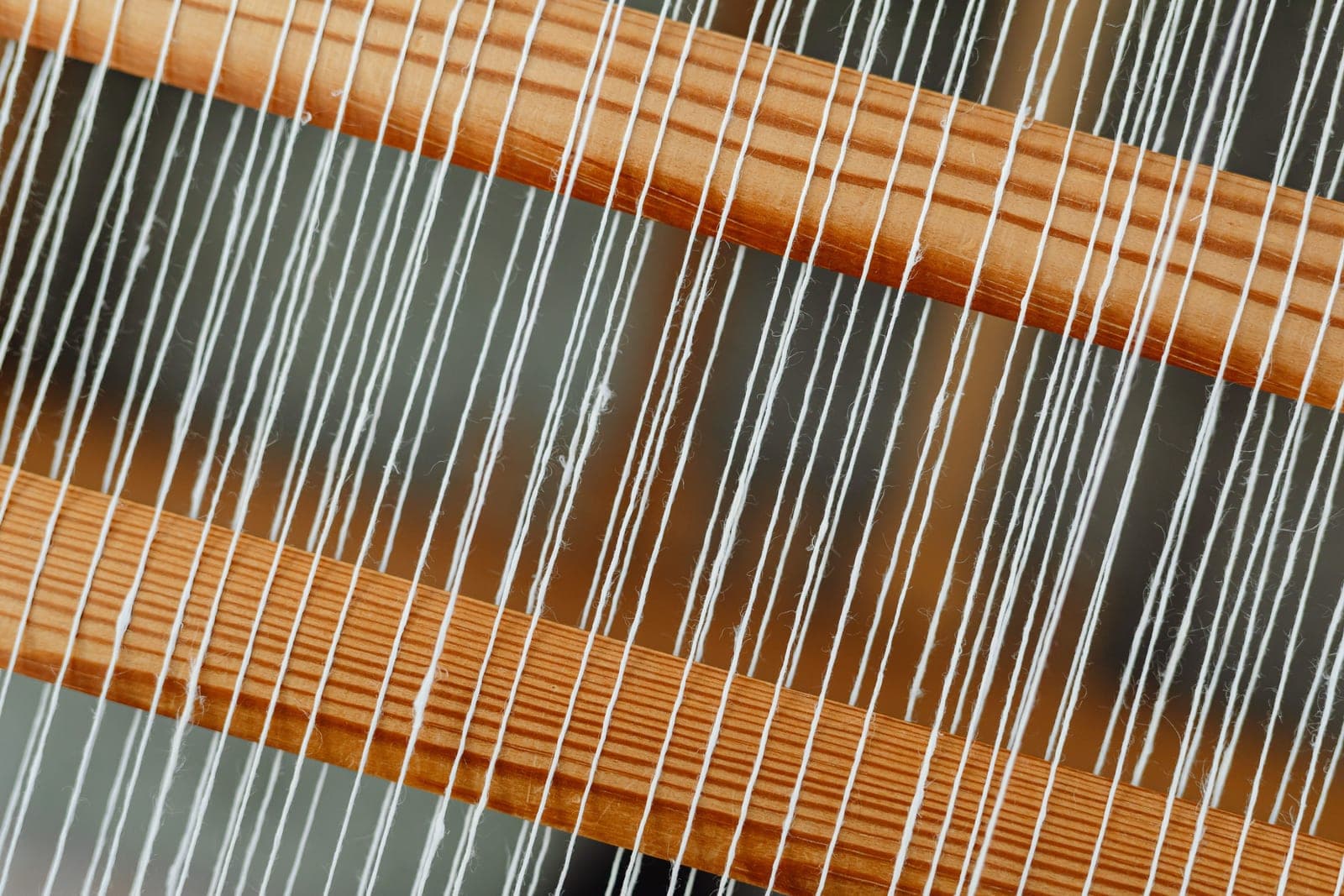
Warp and Weft Explained
The two most fundamental words in weaving — what they mean, why the difference matters for how fabric behaves, and where it shows up.
 Guides
Types of Yarn: A Practical Guide
Before a fabric is woven, a choice shapes everything after it: the yarn. Types of yarn by fibre, structure and construction — and why it matters.
 Guides
Combed Cotton: What It Is & Why It Costs More
Sold as a premium for a specific physical reason — what combed cotton is, how combing creates the difference, and why it matters commercially.
 Guides
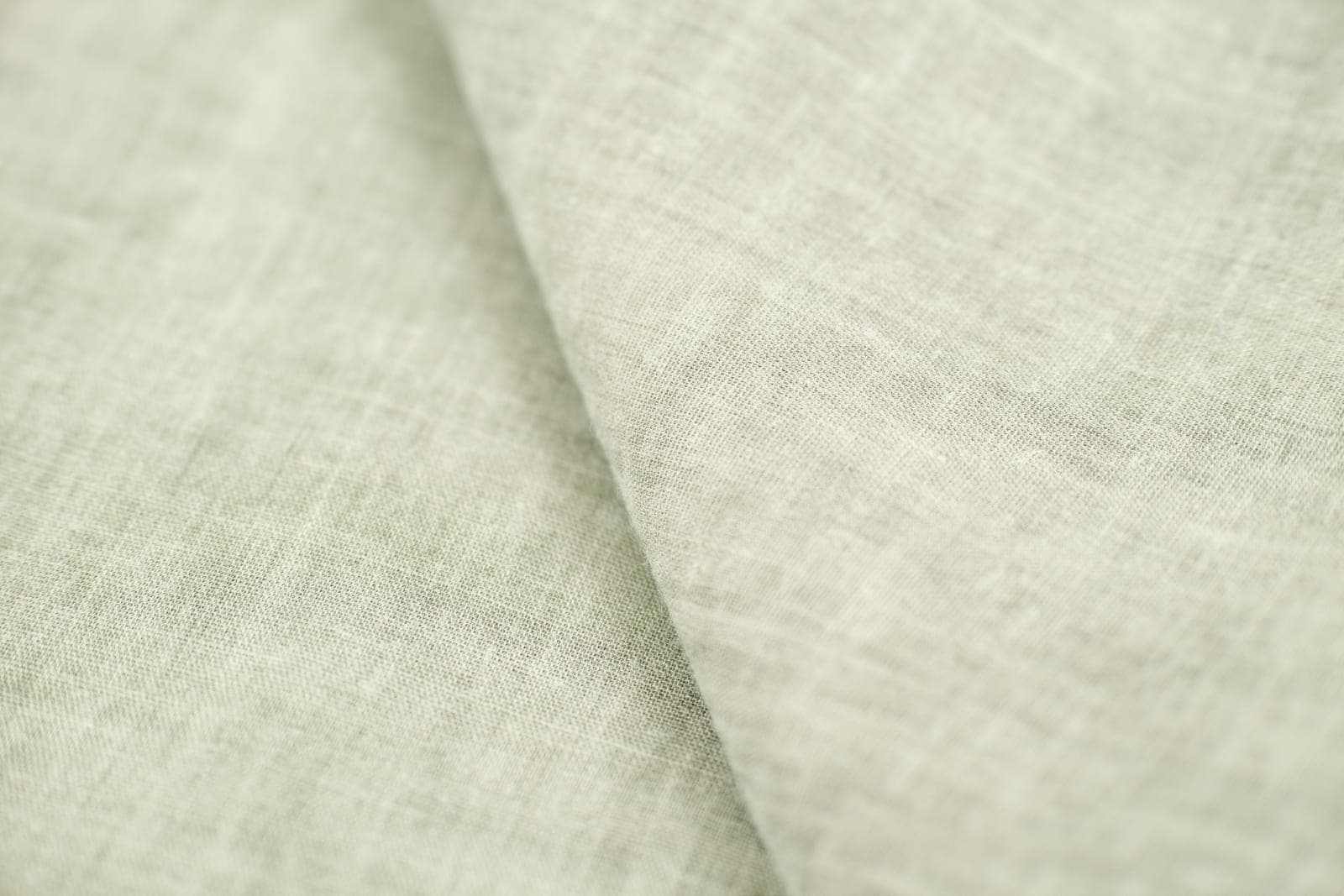
Types of Dyes Used in Textiles
Using the wrong dye class for a fibre is how colour bleeds, fades or never fixes — the main dye types, which fibres they suit, and why it matters.
 Guides
Plain Weave: The Simplest, Most Common Weave
The first weave anyone learns and the one behind more fabrics than any other — what it is, why its simplicity is so useful.
 Guides
Satin Weave, Explained
Satin's sheen isn't a fibre or a finish — it's a weave. How floating yarns create that lustrous surface, and how it behaves.
 Guides
Twill Weave, Explained
The diagonal line on your jeans is the twill weave — the structure behind denim, chino and the world's hardest-working fabrics.
 Guides
Velvet Fabric: What It Is & How Made
Deep soft pile and shifting sheen, made ingeniously by weaving two layers at once and slicing them apart — what velvet is and how.
 Guides
Muslin Fabric: The Humble Cloth
One of the plainest fabrics and one of the most useful — from the toiles fashion houses drape to the cloth that strains your paneer.
 Guides
Corduroy Fabric: What It Is & How Made
Those ridges running down a pair of cords are a pile-fabric trick, not just texture — what corduroy is and how the wales are made.
 Guides
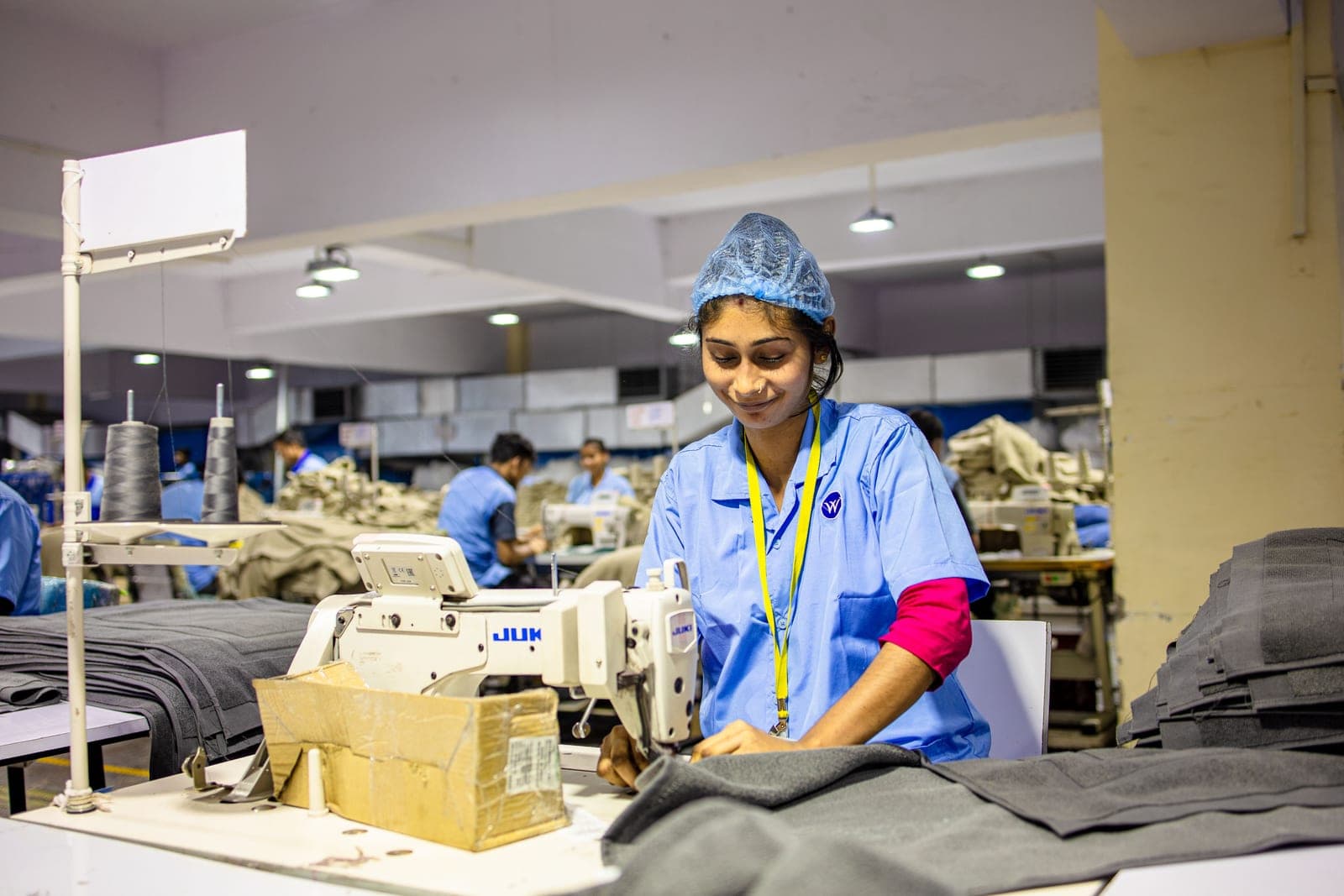
Pattern Making, Explained
Turning a design into precise templates the factory can make — the technical translation between an idea and a producible garment.
 Guides
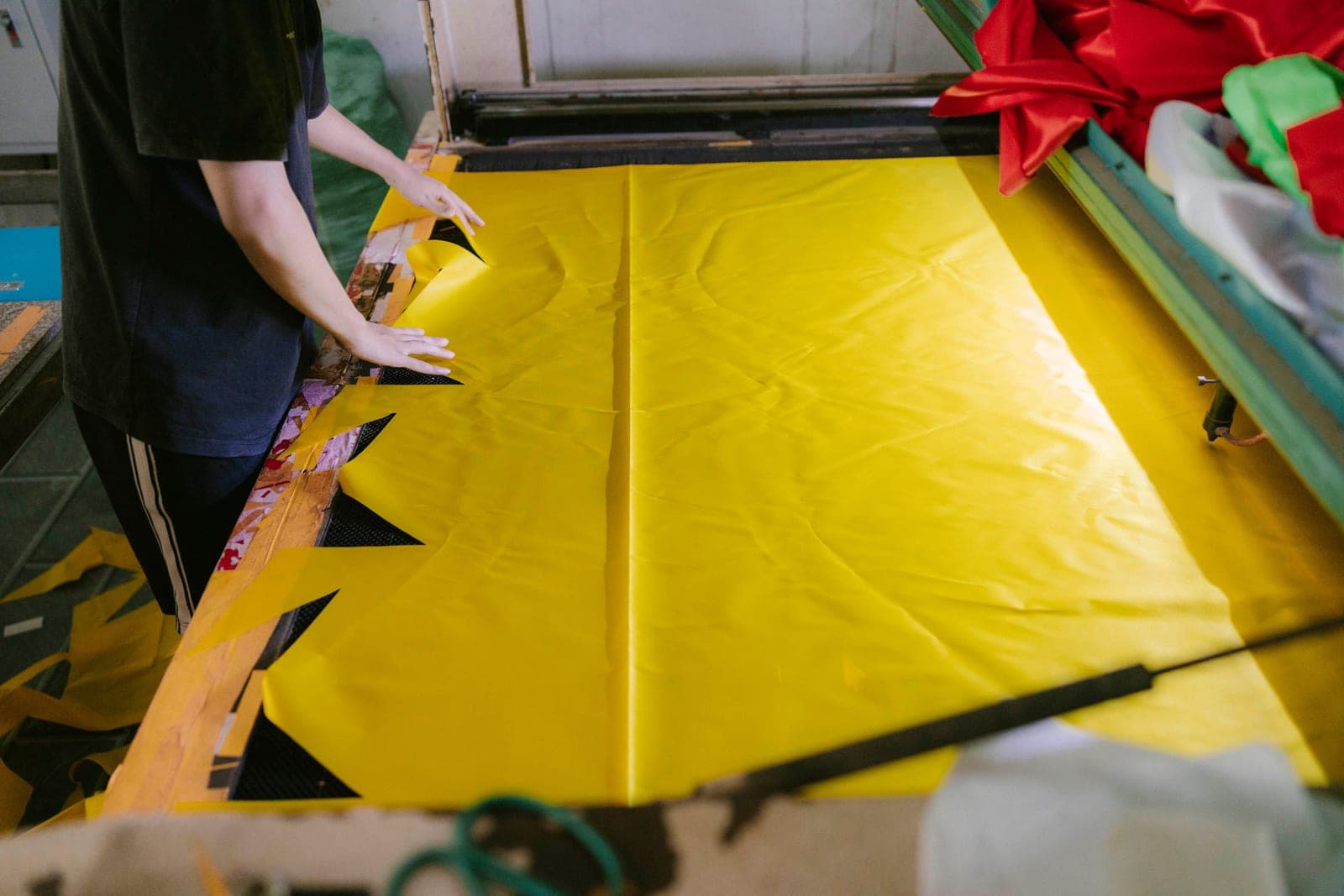
Types of Sewing Machines, Explained
A home machine is one device; a garment factory runs a dozen specialised types, each doing one job supremely well. A practical guide.
 Guides
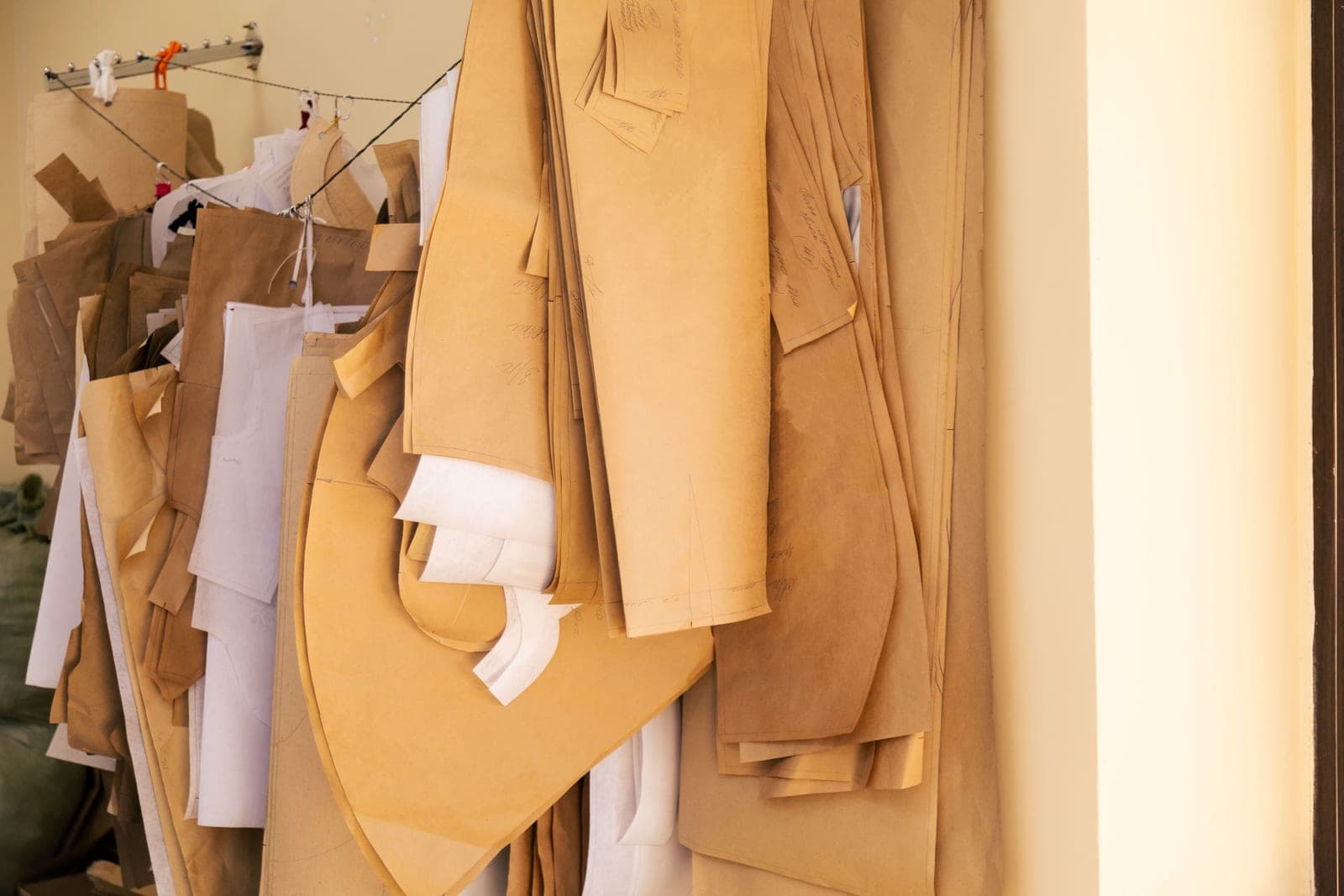
Fabric Cutting: Spreading to Bundling
Where an order becomes physical pieces — and where one mistake wastes expensive fabric across hundreds of layers at once.
 Guides
Pattern Grading, Explained
A garment is designed once, then graded up and down into every size — the skilled scaling that decides whether each size fits.
 Guides
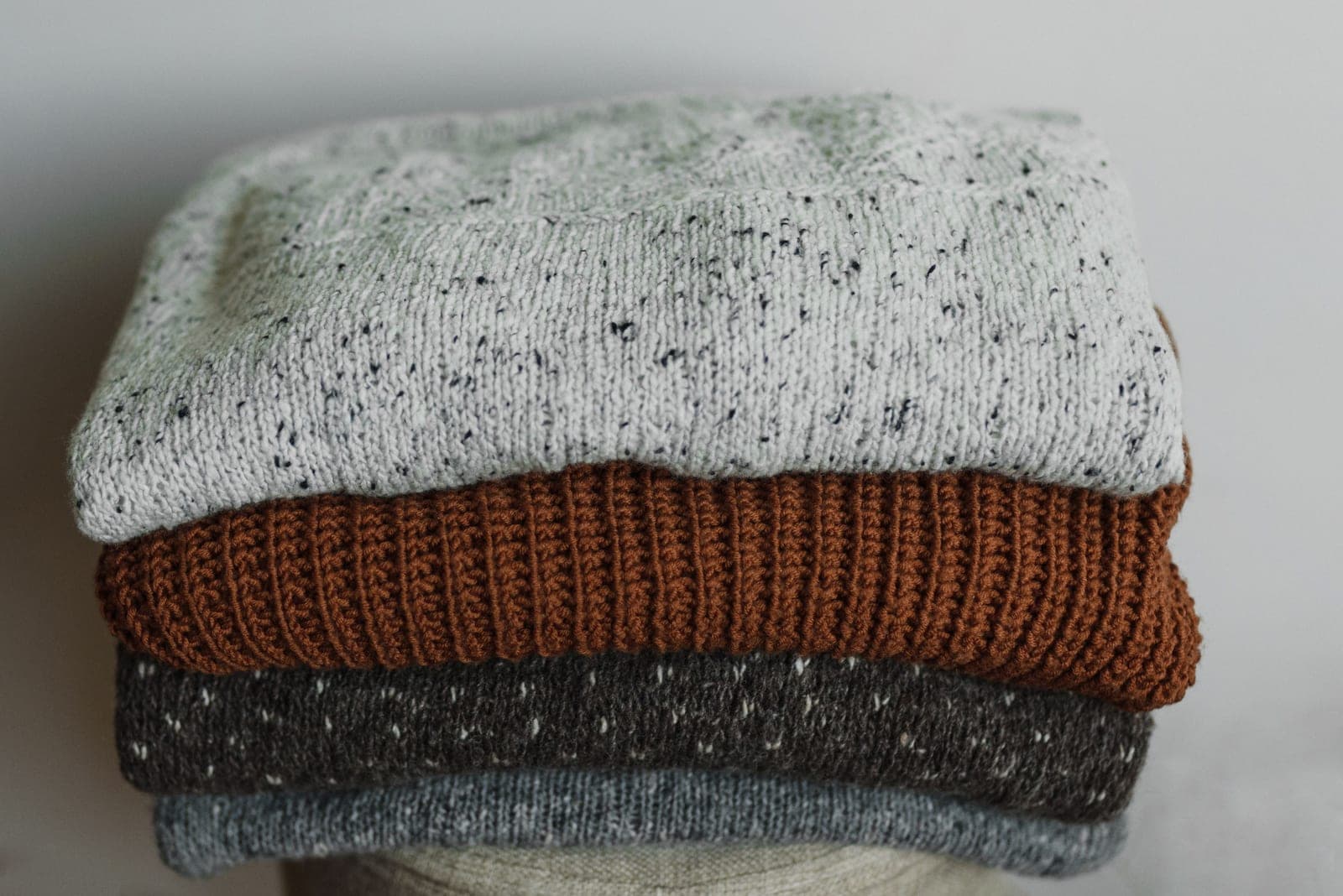
Flannel Fabric: What It Is & Why Warm
Flannel isn't a pattern — that plaid is a coincidence. It's a brushed finish that traps warmth. What flannel actually is.
 Guides
Knitwear: What It Is & How It's Made
A whole industry built on interlooping yarn — from Tiruppur's T-shirts to fine sweaters. What knitwear is and how it's manufactured.
 Guides
Garment Manufacturing ERP: A Practical Guide for Apparel Factories in 2026
What a garment manufacturing ERP must actually do — tech packs, cut planning, CMT subcontractors, AQL quality, and per-style costing — and how to choose one that fits.
 Guides
AI Image Recognition in Textiles
AI can now look at a photo of a fabric or garment and identify what it is — where that helps (cataloguing, matching, sorting) and its limits.
 Guides
Textile ERP Software: A Buyer's Guide for Mills and Manufacturers in 2026
How to evaluate textile ERP software — the textile-specific capabilities generic systems miss, what to test in a demo, and how to budget realistically.
 Guides
The Garment Manufacturing Process, Step by Step
How a design becomes thousands of finished garments — the whole journey from tech pack to packing, stage by stage.
 Guides
Spinning Mill Software: What Yarn Producers Actually Need from an ERP
Mixing and blending, count-wise production, conversion cost per kg, and waste recovery — what spinning mill software has to handle that generic ERP can't.
 Guides
Building a Digital Fabric Inspection System with the 4-Point Method
How a digital 4-point fabric inspection system cuts defect leakage, speeds grading, and gives buyers the quality evidence they demand.
 Guides
Textile Accounting Software: Why Mills and Exporters Outgrow Tally
Tally handles the ledger, but textile accounting needs job and dye-lot costing, per-meter and per-kg margins, and export documentation. Here's what to add.
 Industry Insights
Still Running Your Textile Business on Spreadsheets and WhatsApp?
Most textile businesses don't fail on bad products — they leak money through fragmented spreadsheets, WhatsApp, and paper. Here's the hidden cost, and where software helps.
 Industry Insights
Why Textile Orders Ship Late — and How to Fix On-Time Delivery
Late shipments cost penalties, air-freight, and lost buyers. The causes are predictable — and most are visibility problems software can solve.
 Guides
Dead Stock and Locked Cash: The Hidden Inventory Problem in Textiles
Slow-moving fabric and trims quietly trap working capital and warehouse space. How dead stock builds up — and how inventory visibility prevents it.
 Industry Insights
You Don't Know Your Real Profit Per Order — and It's Quietly Costing You
Many textile businesses know monthly profit but not which orders made money. That blind spot lets loss-making orders hide in a busy, profitable-looking business.
 Industry Insights
Why Textile Businesses Need an Industry-Specific ERP in 2026
Generic ERP systems cost textile businesses 40% more in customizations. Discover why purpose-built textile ERP software is the smartest investment.
 Guides
Multi-Currency Accounting for Textile Exporters
Textile exporters lose 3-5% of margins to currency errors. Here's how ERP eliminates hidden costs.
 Guides
The Complete Guide to Dye Lot Management
Shade mismatches cost exporters lakhs per quarter. Learn the proven system for 99.8% shade consistency.
 Guides
Going Digital with Fabric Quality Inspection
Paper-based inspection costs mills 8-12% in undetected defects. Digital inspection cuts leakage by 60%.
 Industry Insights
Vastra ERP vs SAP: An Honest Comparison
Implementation time, cost, textile features, and ROI — compared side by side.
 Industry Trends
Building a Resilient Textile Supply Chain in 2026
Red Sea delays and price spikes exposed fragile supply chains. Here's the playbook for resilience.
 Guides
Warehouse Automation: Barcode, RFID & Smart Storage
Manual operations cost 15-20% in errors. Barcode, RFID, and zone optimization fix it.
 Guides
How to Improve OEE from 65% to 87% in Your Textile Mill
Most mills operate at 60-70% OEE. This data-driven guide shows how top mills achieved 87%+.
 Industry Insights
The True Cost of Poor Quality in Textile Manufacturing
Quality costs run 15-25% of revenue — but 70% is invisible. Here's how to find the losses.
 Guides
Cloud vs On-Premise ERP for Textile Businesses
78% of new deployments are cloud-based. But on-premise still wins in specific scenarios.
 Sustainability
ESG Compliance: What Every Textile Exporter Must Know
EU CSRD, Digital Product Passports, and CBAM are reshaping exports. The definitive compliance guide.
 Guides
Automating Export Documentation: Save 40 Hours/Month
Commercial invoices, packing lists, certificates — automate 80% of export paperwork.
 Industry Trends
Digital Transformation for Spinning Mills
Count management, bobbin traceability, and AI blend optimization — the spinning technology roadmap.
 Guides
The Garment Exporter's Complete Guide to ERP
How leading exporters reduced order-to-shipment from 12 weeks to 7 weeks using textile ERP.
 Industry Insights
CRM for Textile Businesses: What Actually Works
Generic CRMs fail in textiles. Shade approvals, sample tracking, and size-color matrices need industry tools.
 Sustainability
Reducing Fabric Waste by 30%: A Practical Guide
Waste costs 8-12% of material value. Cutting optimization, changeover reduction, and defect prevention.
 Industry Insights
How Digitally Mature Is Your Textile Business?
Most businesses overestimate by 2-3 levels. This framework shows where you really stand.
 Industry Trends
ERP's Role in Textile M&A: Due Diligence & Integration
Digitally mature textile companies command 15-25% acquisition premiums. Here's why.
 Guides
Labor Management: Skill Tracking & Productivity Analytics
Labor is 20-35% of cost. Data-driven workforce management improves productivity without adding headcount.
 Product Updates
B2B E-Commerce for Textile Businesses
72% of buyers prefer digital ordering. Build a portal with real-time inventory and pricing.
 Industry Trends
India's Textile Industry in 2026: Growth & Opportunities
PLI schemes, PM MITRA parks, and $100B export targets. Where the opportunities lie.
 Guides
Predictive Maintenance for Textile Machinery
Unplanned downtime costs $15K-$50K per incident. Reduce breakdowns by 40-60%.
 Industry Insights
Succession Planning for Textile Family Businesses
80% of Indian textile businesses are family-owned. How ERP preserves institutional knowledge.
 Guides
How to Optimize Textile Production with ERP
What actually works for production optimization on a mill floor.
 Industry Trends
Global Textile Industry Trends to Watch in 2025
From sustainable manufacturing to AI-driven supply chains — the trends shaping the textile industry.
 Guides
Inventory Management Best Practices for Textile Businesses
How leading companies minimize stockouts, reduce carrying costs, and improve cash flow.
 Sustainability
The Complete Guide to Sustainable Textile Manufacturing
Meeting ESG requirements while remaining profitable. Carbon tracking, water management, waste reduction.
 Guides
ERP Implementation Guide for Textile Mills
What 500 implementations taught us. The honest truth about what works and what doesn't.
 Product Updates
AI-Powered Demand Forecasting in Textiles
Real case studies: how ML predicts demand with 85%+ accuracy, reducing overstock by 30%.