Knitwear is a curious category: everyone owns plenty of it, yet few think of it as a distinct branch of the clothing industry. The T-shirt, the polo, the sweater, the hoodie, the socks — all knitwear, all made in a fundamentally different way from a woven shirt or a pair of jeans. For some places it is the entire economy: Tiruppur in Tamil Nadu, one of the world's great knitwear hubs, exports billions of dollars of knitted garments a year. This guide explains what knitwear is, how it is manufactured, and what makes the knitwear business its own distinct world.
What knitwear is
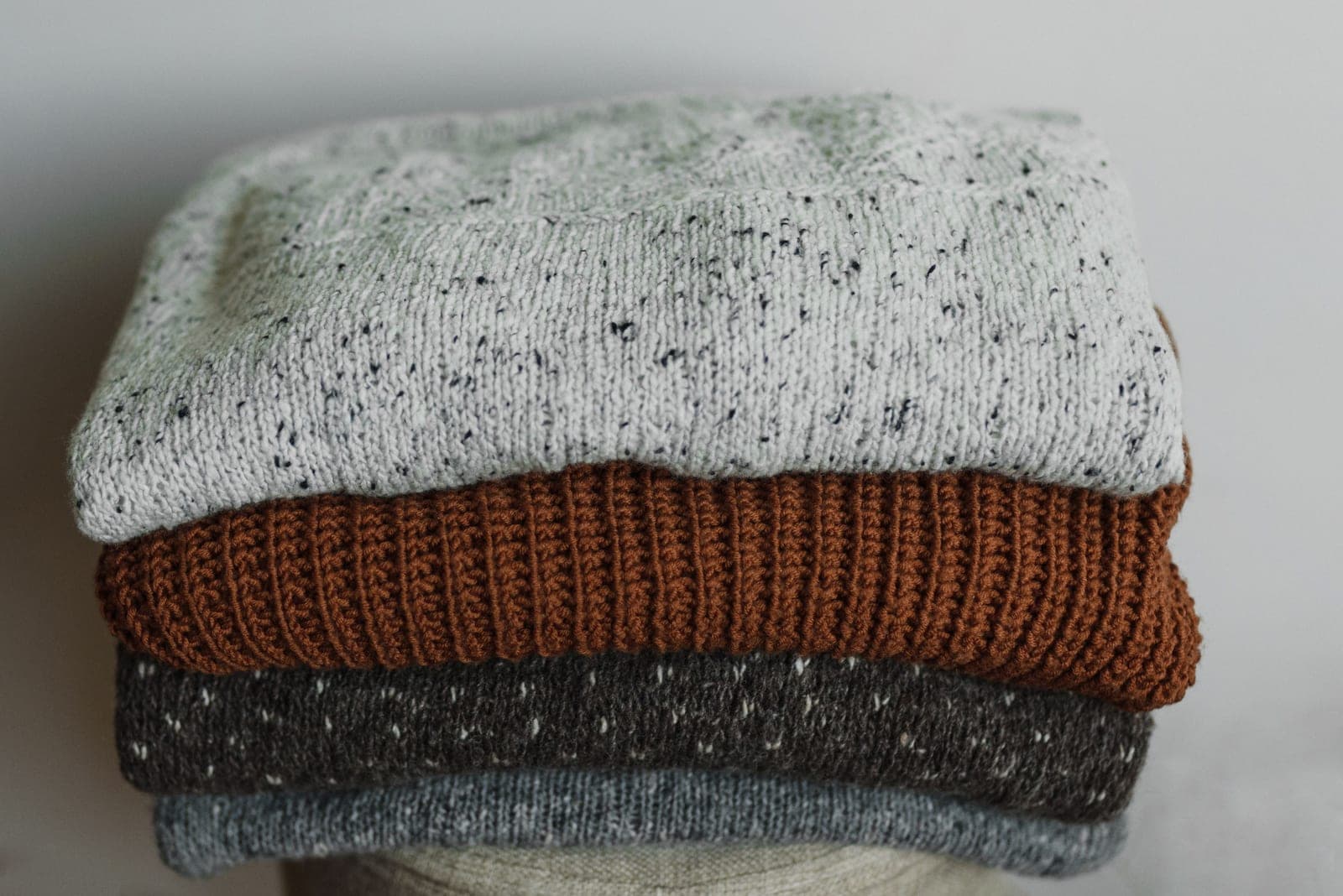
Knitwear is clothing made from knitted fabric — fabric formed by interlooping a yarn into rows of loops — rather than from woven fabric. That loop structure, explained in our guide to types of knitting, is what gives knitwear its defining quality: stretch. A knit moves and recovers with the body in a way a woven fabric cannot, which is why comfortable, close-fitting, casual clothing is overwhelmingly knitted. Knitwear ranges from lightweight single-jersey T-shirts to heavy cable-knit sweaters, but all of it shares that looped, stretchy foundation.
How knitwear is manufactured
There are two broad routes, and they are genuinely different businesses. **Cut-and-sew knitwear** starts with knitted fabric produced in rolls (on circular knitting machines), which is then treated like any fabric — spread, cut to pattern, and sewn into garments. This is how most T-shirts, polos and casualwear are made, and it is the model of a hub like Tiruppur. **Fully-fashioned and flat-knit knitwear** instead knits the garment panels (or the whole garment) directly to shape on flat knitting machines, with minimal or no cutting — the route for quality sweaters and fine-gauge knits. Cut-and-sew is high-volume and fabric-driven; fully-fashioned is shaping-driven and yarn-efficient.
What makes the knitwear business distinct
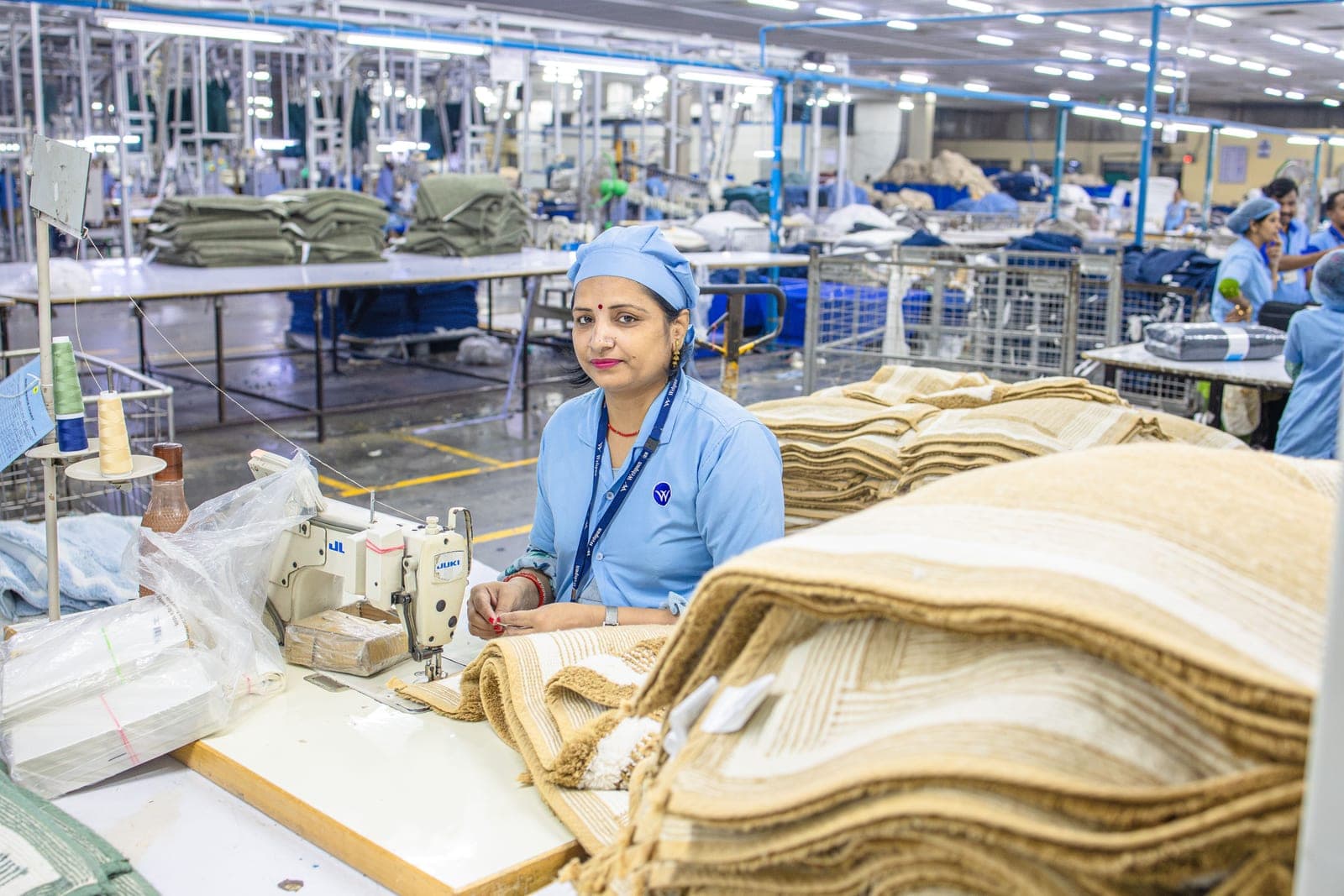
Several things set knitwear apart operationally. It is often vertically integrated — a Tiruppur unit may knit, dye, cut and stitch under one roof, so the whole chain has to be coordinated together. It is heavily export-oriented, bringing buyer compliance and documentation to the fore. Quality issues are knit-specific — GSM, shade and shrinkage matter enormously, and defects like barré (shade banding) and holes trace to yarn and knitting. And it lives on high volumes and thin margins, so accurate costing and tight control are what separate a profitable unit from a busy but unprofitable one.
How ERP handles a knitwear business
A textile ERP is well suited to the integrated, high-volume nature of knitwear. It connects knitting, dyeing, cutting and sewing so a vertically-integrated unit runs on one system rather than several disconnected ones; it manages the wide design-size-colour SKU matrix that knitwear generates; it holds knit-specific quality data (GSM, shade, shrinkage, defect types) against lots; and it costs high-volume orders from real consumption so thin margins are protected. For an exporter it carries buyer compliance and documentation too. It gives a knitwear manufacturer — a Tiruppur unit or any other — the integrated control of the garment ERP on the textile ERP platform.
Where AI helps
AI supports knitwear in the grounded ways it supports the wider industry: document AI reads the high volume of export orders and specifications a knitwear exporter handles; computer vision helps hold shade and detect defects across large runs; and demand analytics help plan yarn and fabric ahead across a wide seasonal SKU set. The value scales with the volume and SKU complexity that knitwear has in abundance.
Knitwear is its own industry — built on interlooping yarn for stretch, made either cut-and-sew for volume or fully-fashioned for quality, and often vertically integrated, export-driven and margin-tight. A knitwear business that runs its integrated chain on one system, with knit-specific quality and accurate costing, competes on the reliability buyers reward. If you run a knitwear unit and your knitting, dyeing and stitching live on separate systems, that integration is where control is found, and you can see how a knitwear operation is managed with your own products.
Frequently Asked Questions
What is knitwear?
Knitwear is clothing made from knitted fabric — fabric formed by interlooping a yarn into rows of loops — rather than from woven fabric. That loop structure gives knitwear its defining stretch, which is why comfortable, close-fitting casualwear is overwhelmingly knitted. It ranges from lightweight single-jersey T-shirts to heavy cable-knit sweaters, all sharing the same looped, stretchy foundation.
How is knitwear manufactured?
By two broad routes. Cut-and-sew knitwear starts with knitted fabric in rolls (from circular machines), which is spread, cut to pattern and sewn into garments — the high-volume model of hubs like Tiruppur, used for most T-shirts and polos. Fully-fashioned and flat-knit knitwear instead knits garment panels or whole garments to shape on flat machines with minimal cutting — used for quality sweaters and fine-gauge knits.
What makes the knitwear business distinct?
It is often vertically integrated (knitting, dyeing, cutting and stitching under one roof), heavily export-oriented (bringing compliance and documentation to the fore), and quality is knit-specific (GSM, shade, shrinkage, and defects like barré and holes). It also lives on high volumes and thin margins, so accurate costing and tight control separate a profitable unit from a busy but unprofitable one.
Vastra ERP Editorial Team
Textile Technology Experts
Our editorial team brings decades of combined experience in textile manufacturing, supply chain management, and enterprise technology. We publish in-depth guides, industry analysis, and practical insights for textile professionals worldwide.