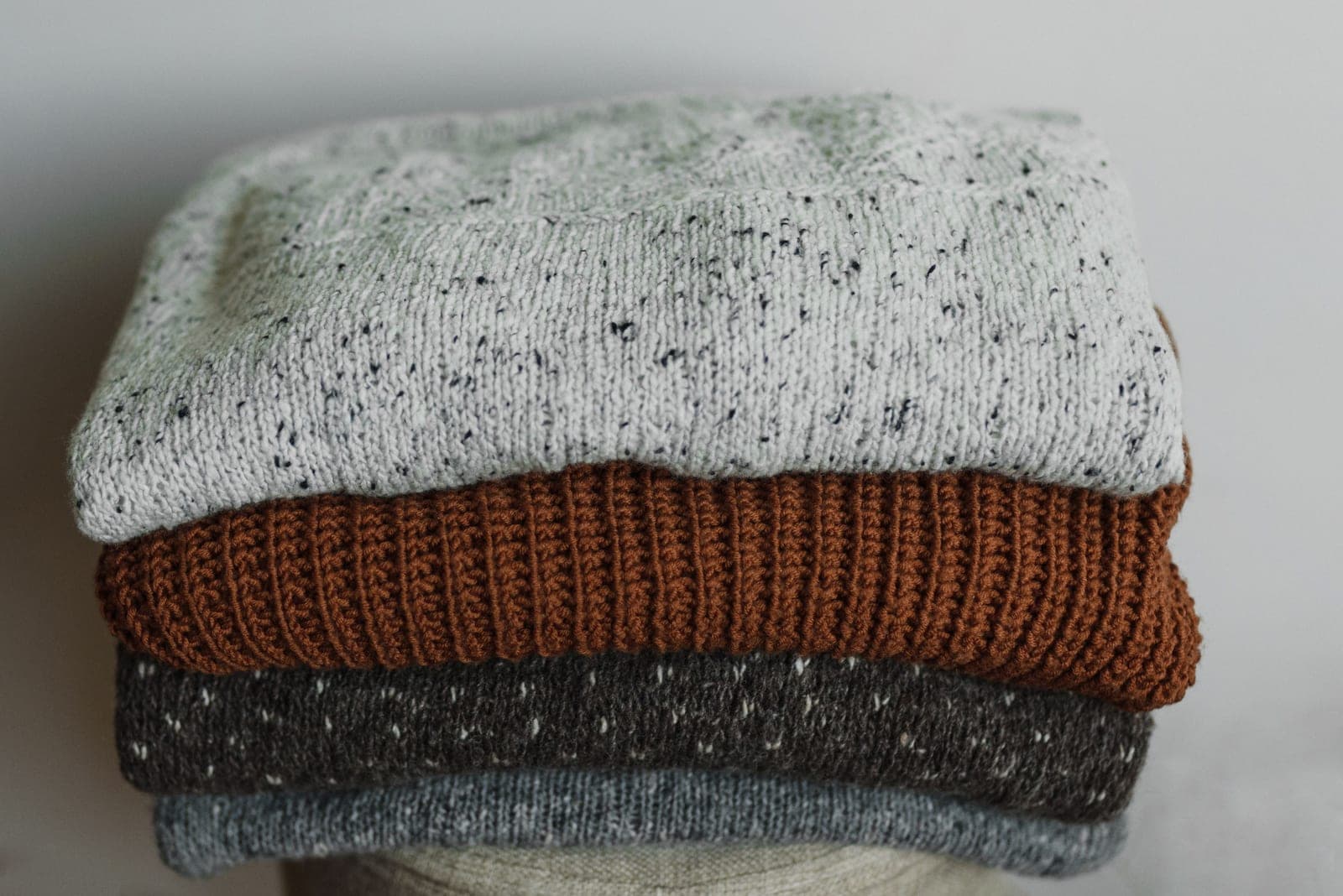
Much of the conversation about AI in textiles is about two things: reading documents (OCR and document AI) and finding faults (defect detection). But there is a third capability that customers increasingly ask about — AI that simply looks at a photo of a fabric or a garment and identifies what it is. Point a phone at a piece of cloth and have the system recognise the fabric; photograph a garment and have it matched to your catalogue. This is image recognition, and while it is genuinely useful in specific places, it is also widely oversold. This guide explains where AI image recognition actually helps in textiles, and where it does not.
What image recognition is
Image recognition is AI that classifies or identifies the contents of an image — trained on many examples, it learns to say 'this is a striped cotton shirting', 'this is a floral print', 'this garment is a men's polo'. It is different from the other AI capabilities: where document AI reads text and defect detection finds flaws, image recognition identifies and categorises what an image shows. In textiles that means recognising fabric types, patterns, colours, garment styles and categories from a photograph rather than from a typed description.
Where it genuinely helps in textiles
The strongest uses are about matching and organising. **Cataloguing and matching** — photograph an incoming fabric sample and have AI find the nearest match in your existing fabric master, avoiding the creation of near-duplicate items and speeding sample handling. **Sorting and categorising** — automatically tagging garments or fabrics by type, colour and pattern for a catalogue or e-commerce listing, saving hours of manual classification. **Counting and measuring** — using vision to count pieces in a bundle or on a rack, or to estimate quantities, where manual counting is slow. **Search** — finding 'fabrics like this one' in a large library by image rather than by remembering a code. Each replaces a slow, manual, error-prone visual task.
The honest limits
It is important to be clear-eyed, because image recognition is heavily hyped. It needs training data — an AI that has not seen examples of your specific fabrics will not reliably recognise them, and building that training set is real work. It struggles with fine distinctions — telling two similar shades or two near-identical weaves apart from a phone photo is genuinely hard, and a photo is not a spectrophotometer or a GSM test. And it is a classifier, not a judge of quality — recognising that an image shows a shirt is not the same as assessing whether that shirt is well made. The honest framing is that image recognition speeds up matching, sorting and cataloguing tasks, with a human confirming anything that matters, rather than replacing measurement or judgement.
How it fits with an ERP
Image recognition is most useful when it feeds the system that runs the business. Inside a textile ERP, recognising and matching a fabric to the existing master keeps the item catalogue clean; auto-tagging garments populates the product data that stock and sales run on; and vision-based counting can feed inventory. It joins document AI and defect detection as one of three complementary ways AI turns the physical, visual reality of a textile business into the structured data the system needs — reading images, reading documents, and finding faults.
The bigger picture: three kinds of 'AI seeing'
It helps to see these three together, because customers often lump them under 'AI reading images'. Document AI reads the *text* in an image — an invoice, a challan, a spec. Defect detection finds *faults* in an image — a hole, a stain, a shade variation. Image recognition identifies *what an image is* — this fabric, this garment, this category. A textile business drowning in visual, physical information benefits from all three, each turning a different aspect of the visual world into usable data — which is exactly the direction AI-powered textile ERP is heading.
AI image recognition genuinely helps a textile business match samples, sort and tag products, count pieces and search by image — real, time-saving wins on slow manual visual tasks. But it is a classifier that needs training and human confirmation, not a measurement tool or a judge of quality, and it is widely oversold. Used for what it is good at, and fed into the system that runs the business, it is a valuable third pillar alongside document AI and defect detection. You can see how AI-assisted data capture works with your own fabrics and garments.
Frequently Asked Questions
What is AI image recognition in textiles?
Image recognition is AI that classifies or identifies the contents of an image — trained on many examples, it learns to recognise fabric types, patterns, colours and garment styles from a photograph rather than a typed description. It differs from document AI (which reads text in images) and defect detection (which finds flaws); image recognition identifies and categorises what the image shows.
Where does AI image recognition help in textiles?
In matching and organising: cataloguing and matching an incoming fabric sample to your existing master (avoiding near-duplicates), sorting and auto-tagging garments or fabrics by type, colour and pattern for catalogues or e-commerce, counting pieces in a bundle or on a rack, and searching a fabric library by image rather than code. Each replaces a slow, manual, error-prone visual task.
What are the limits of AI image recognition?
It needs training data specific to your products; it struggles with fine distinctions like two similar shades or near-identical weaves (a phone photo is not a spectrophotometer or GSM test); and it is a classifier, not a judge of quality — recognising a shirt isn't assessing whether it's well made. It speeds matching, sorting and cataloguing with human confirmation, rather than replacing measurement or judgement.
Vastra ERP Editorial Team
Textile Technology Experts
Our editorial team brings decades of combined experience in textile manufacturing, supply chain management, and enterprise technology. We publish in-depth guides, industry analysis, and practical insights for textile professionals worldwide.