Ask ten people in a textile business to define a fabric and you will get ten answers — one names the fibre, another the weave, a third the finish, a fourth the end use. None is wrong, and that is precisely the problem. Fabric is classified along several independent axes at once, and a business that does not keep those axes straight ends up with a stock system where the same cloth is entered three different ways and nobody can trust the closing balance. This guide lays out the main types of fabric the way an operating business actually needs to see them, and shows where a textile-aware system keeps the categories from collapsing into confusion.
Fabric by fibre: what it is made of
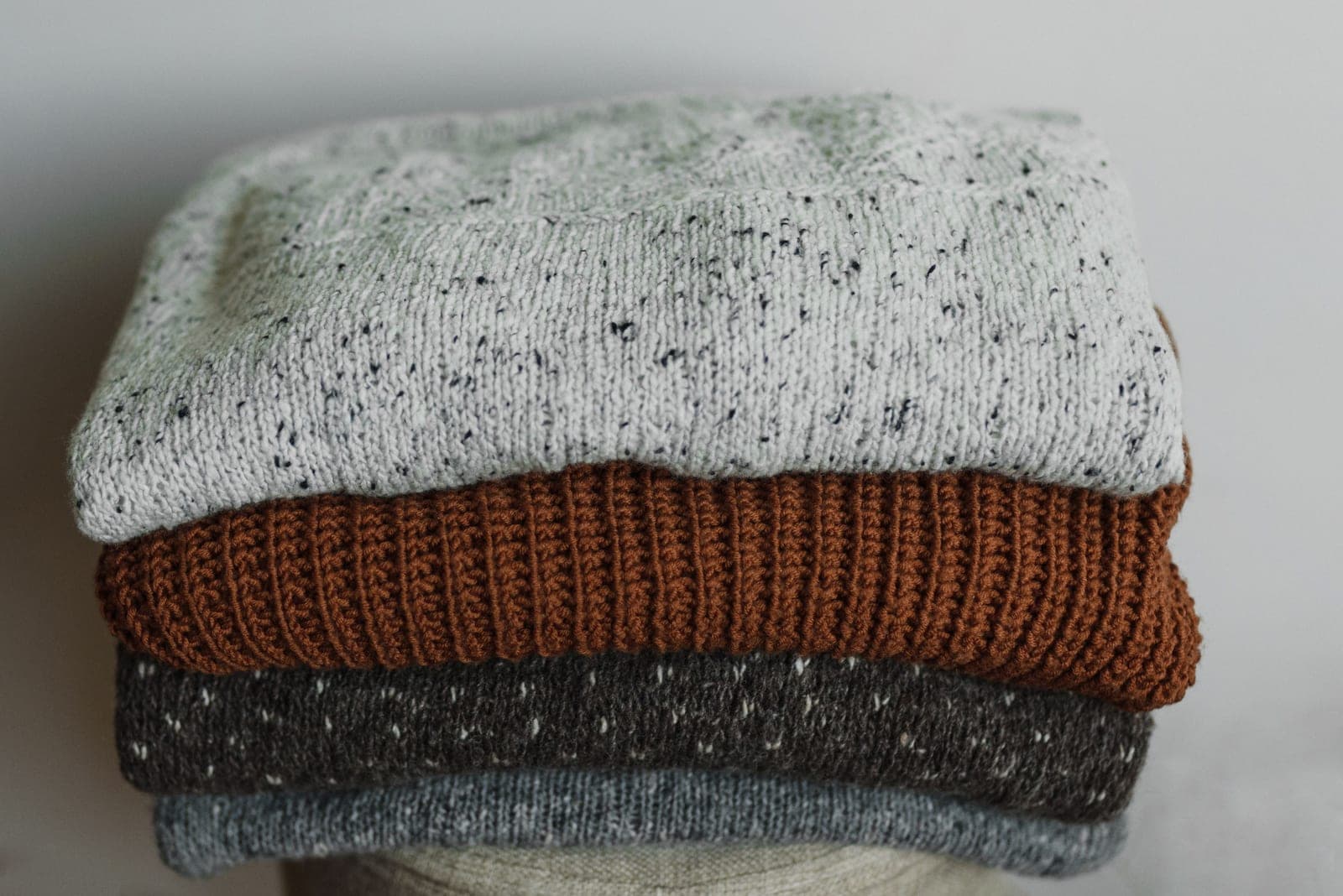
The first and most fundamental split is the fibre. Natural fibres come from plants or animals — cotton, linen, jute, silk and wool are the mainstays, each with its own handle, absorbency and cost. Synthetic fibres are made from polymers — polyester, nylon, acrylic and spandex dominate, prized for strength, wrinkle resistance and price. Regenerated fibres such as viscose, rayon and modal sit in between: made from natural cellulose but chemically processed into a fibre. And blends — polyester-cotton being the classic — combine two or more to balance cost, comfort and performance.
This axis matters commercially because the fibre drives almost everything downstream: the price, the dyeing behaviour, the GST/HSN classification, and the care the finished garment needs. A stock system that cannot record fibre composition as a structured attribute forces the fibre into the item name, where it cannot be filtered, costed or reported on reliably.
Fabric by construction: how it is made
The second axis is how the fibre is turned into cloth. **Woven fabric** is made on a loom by interlacing warp and weft yarns; it is stable, holds its shape, and covers everything from shirting and denim to canvas. Weaves themselves subdivide — plain, twill and satin being the three base structures. **Knitted fabric** is made by interlooping yarn, which makes it stretchy and comfortable; it is the basis of T-shirts, hosiery and most casualwear, split into weft knits and warp knits. **Non-woven fabric** is bonded directly from fibres without spinning or weaving — think interlinings, wipes and many technical textiles.
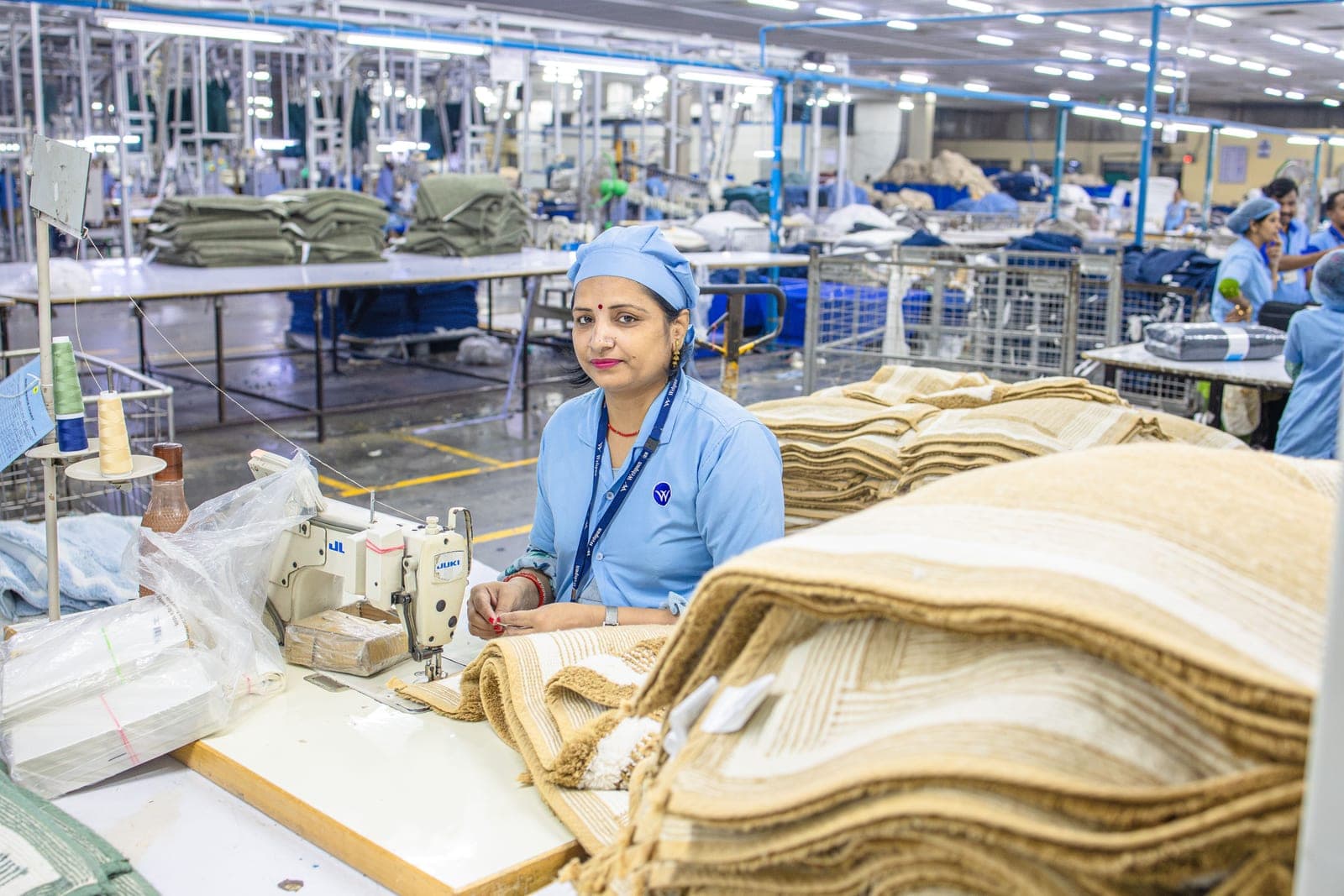
Construction is the axis that most changes how a business is run, because a woven mill, a knitting unit and a non-woven producer have genuinely different processes, machines and quality checks. It is also the axis buyers care about first when they specify a fabric.
Fabric by weight, finish and end use
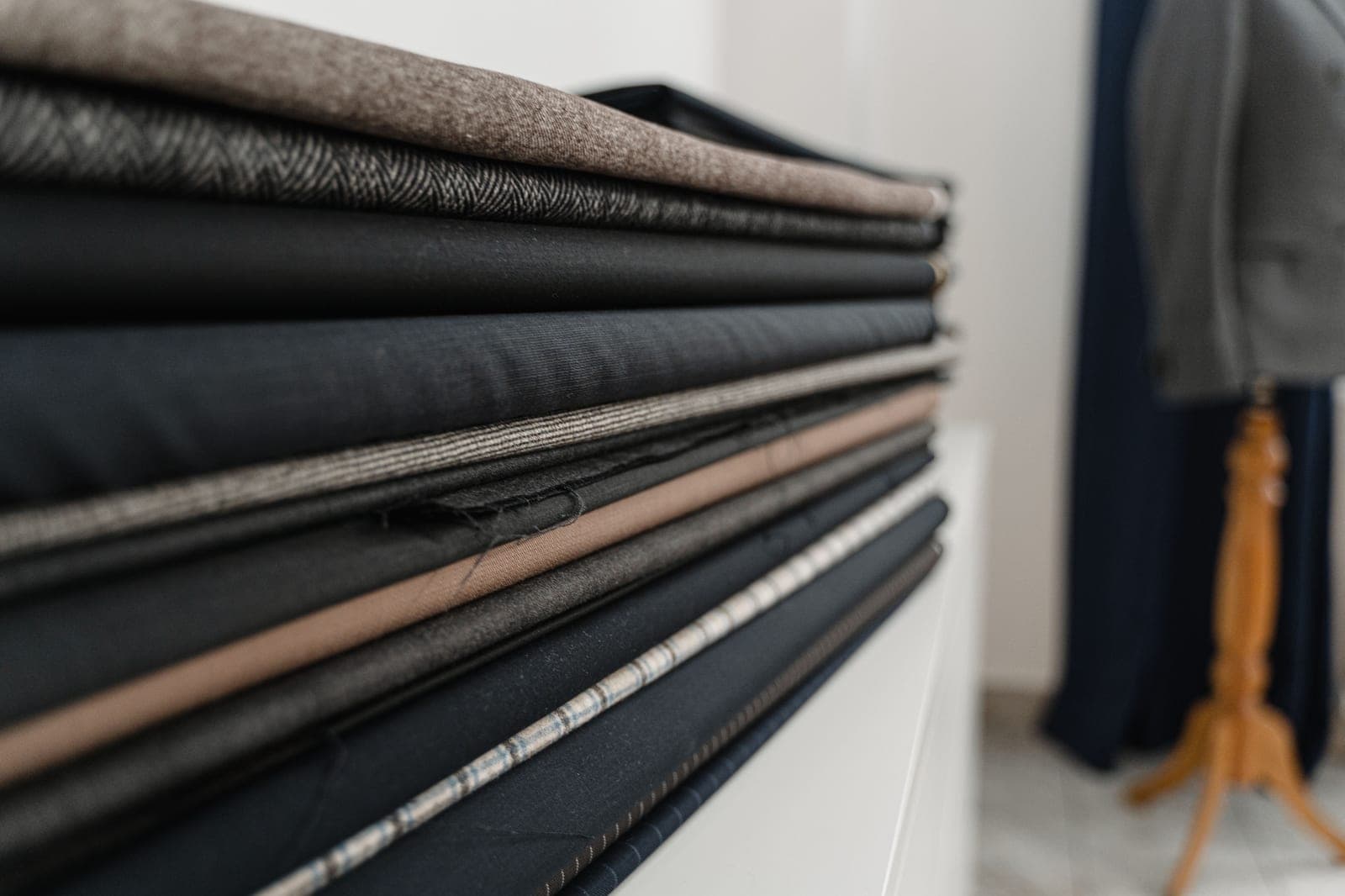
Beyond fibre and construction, fabric is described by weight — usually GSM, grams per square metre — and by the finishes applied after it is made: mercerising, calendering, sanforising, coating, printing and dyeing all change the same base cloth into different sellable qualities. A single greige (unfinished) fabric can leave the finishing house as several distinct products, which is exactly where stock records tend to break down: the business thinks in finished qualities while the system still holds the greige.
Why fabric classification breaks ordinary software
A general-purpose inventory tool assumes an item is one thing with one code. Fabric is not: the same quality exists in many shades, many widths, and often many lots, and it is described by fibre, construction, weight and finish all at once. Enter it as a flat item and you lose the ability to answer the questions that actually run the business — how much 40s combed cotton poplin in navy, dyed under lot 214, is left at 58-inch width?
Purpose-built textile ERP models fabric the way it really is: a quality with structured attributes (fibre, construction, GSM, width, finish) held against roll- and lot-level stock. That is what lets the same system serve a spinner thinking in counts, a weaver thinking in constructions, and a processor thinking in finishes — without any of them mangling the master data. You can see how that stock model works on the inventory management module and across the wider textile ERP platform.
Where AI helps with fabric data
The newer development is that fabric classification no longer has to be typed in by hand. AI-powered ERP can read a supplier's fabric specification or a purchase order — even a photographed one — and extract the fibre, construction, GSM and width into the right structured fields, instead of an operator keying them and guessing the category. Image-based tools can help match an incoming sample to an existing quality in your catalogue rather than creating a near-duplicate item. The classification framework in this guide is what makes that automation reliable: AI can only file a fabric correctly if the system it is filing into understands that fabric has fibre, construction, weight and finish as separate, structured things.
Getting the types of fabric straight is not an academic exercise. It is the foundation your stock accuracy, your costing and your GST all sit on — and the cleaner that foundation, the more the automation on top of it can actually be trusted. If your fabric master has quietly become a mess of near-duplicate items, that is usually the first thing worth fixing, and you can see how a textile-aware system organises it with your own qualities.
Frequently Asked Questions
What are the main types of fabric?
Fabric is classified along several axes at once: by fibre (natural like cotton, silk, wool; synthetic like polyester, nylon; regenerated like viscose; and blends), by construction (woven, knitted, non-woven), and by weight and finish (GSM, dyed, printed, coated, mercerised). A useful classification uses all of these together rather than a single label.
What is the difference between woven and knitted fabric?
Woven fabric is made on a loom by interlacing warp and weft yarns, giving a stable cloth that holds its shape (shirting, denim, canvas). Knitted fabric is made by interlooping yarn, giving a stretchy, comfortable cloth (T-shirts, hosiery, casualwear). They need different machines, processes and quality checks, which is why mills usually specialise in one.
Why does fabric classification matter for inventory software?
Because the same quality exists in many shades, widths and lots and is described by fibre, construction, weight and finish simultaneously. Generic inventory tools treat an item as one flat thing and lose that detail. Textile ERP holds fabric as a quality with structured attributes against roll- and lot-level stock, so stock, costing and GST stay accurate.
Vastra ERP Editorial Team
Textile Technology Experts
Our editorial team brings decades of combined experience in textile manufacturing, supply chain management, and enterprise technology. We publish in-depth guides, industry analysis, and practical insights for textile professionals worldwide.