Garment ERP software built for the factory floor
One system for cut-make-trim tracking, sewing-line and operator efficiency, CMT and FOB costing, buyer compliance, and export documentation — purpose-built for garment manufacturers, factories, and exporters.
What is garment ERP software?
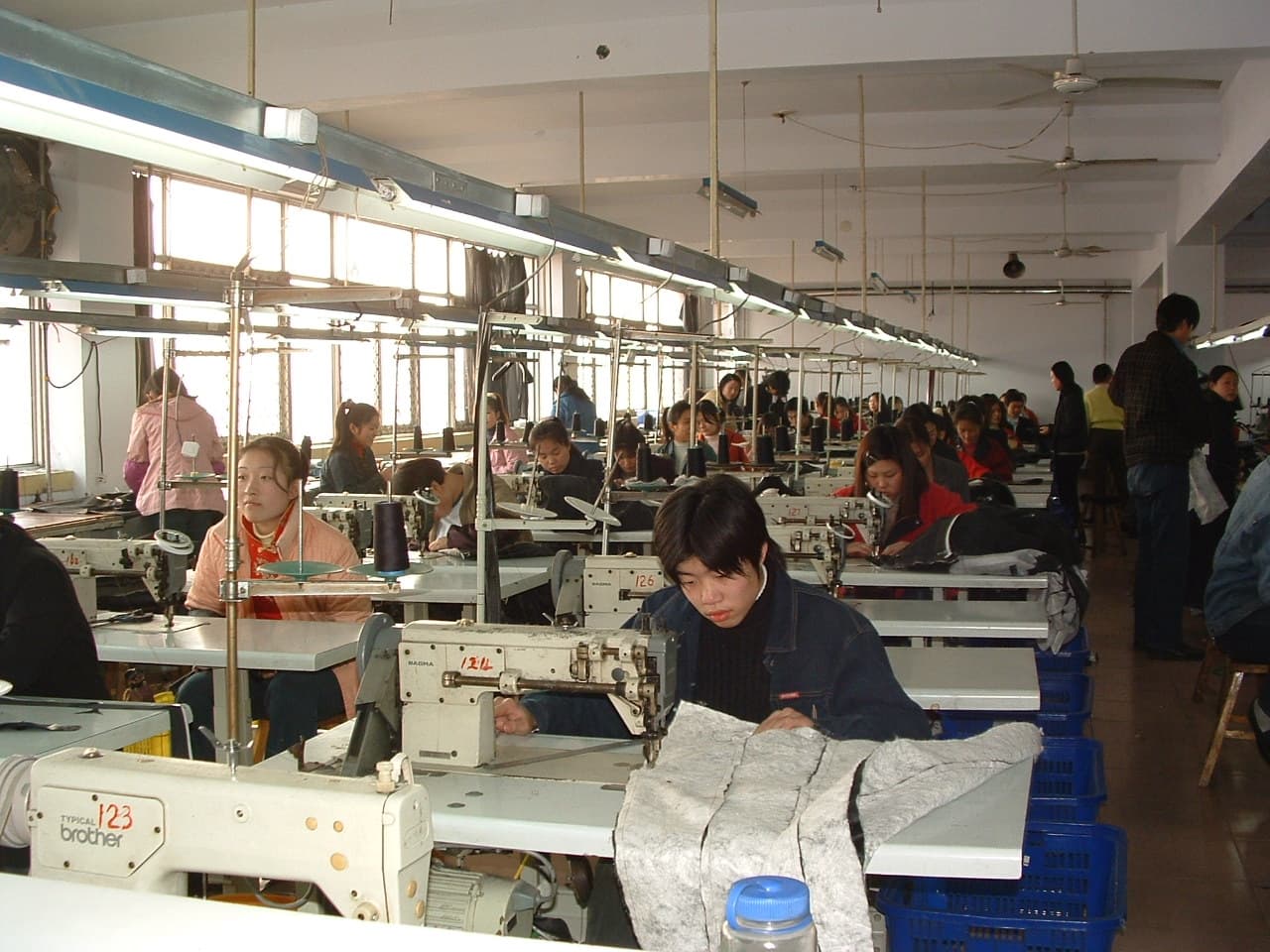
Garment ERP software is an enterprise system built for the way a garment factory actually runs. It follows a style from the buyer's tech pack through the bill of materials, fabric and trim procurement, cutting, bundle-ticketed sewing lines, finishing, packing, and finally the export shipment — connecting every stage to a purchase order so nothing falls between spreadsheets. Where generic accounting or off-the-shelf ERP forces the garment industry to bend its process to the software, purpose-built garment manufacturing erp models cut-make-trim natively.
That means it speaks the language of the plant: SAM and SMV for line balancing, bundle tickets on the floor, DHU for defects, OTD for on-time delivery, and CMT versus FOB for costing. For a manufacturer or exporter, that shared vocabulary is the difference between a garment factory management system that people trust and yet another tool the floor ignores.
The payoff of good erp in the garment industry is a single source of truth. When merchandising confirms an order, planning already sees the fabric position, the cutting room sees the marker and lay plan, the line supervisor sees the hourly target, QC sees the AQL sample size, and the export desk sees the ship window — all from the same record. That is what turns a garment manufacturing erp from a reporting layer into the operating system of the factory.
Core modules of garment ERP software
Every module maps to a real stage of garment manufacturing — and connects to the next.
Looking for garment manufacturing software, not a full ERP?
Start with the one piece you need. It is already part of the platform.
Not every factory wants to replace everything on day one. Many teams search for a single tool — garment manufacturing software to run the floor, garment production software to plan and track output, or garment inventory management software to control fabric and trims. Vastra ERP is built so you can begin with exactly that piece and switch the rest on later, without changing systems or re-entering masters.
Garment production software. Plan by buyer PO and style, balance sewing lines against SAM, scan bundle tickets for live hourly output, and see work-in-progress by style, colour and size. It is the shop-floor and production-planning modules, usable on their own.
Garment inventory management software. Track fabric rolls, trims and accessories by lot and shade, reserve stock against orders, and control wastage with real-time consumption — the inventory module a manufacturer can adopt first.
Because they all run on one platform, the production software you start with and the costing, quality and export desks you add later share a single record. That is the advantage of growing into a garment manufacturing erp instead of stitching together three disconnected tools.
Where garment ERP earns its keep on the floor
The details that separate the best software for garment manufacturing from generic ERP.
Cut-make-trim (CMT) tracking
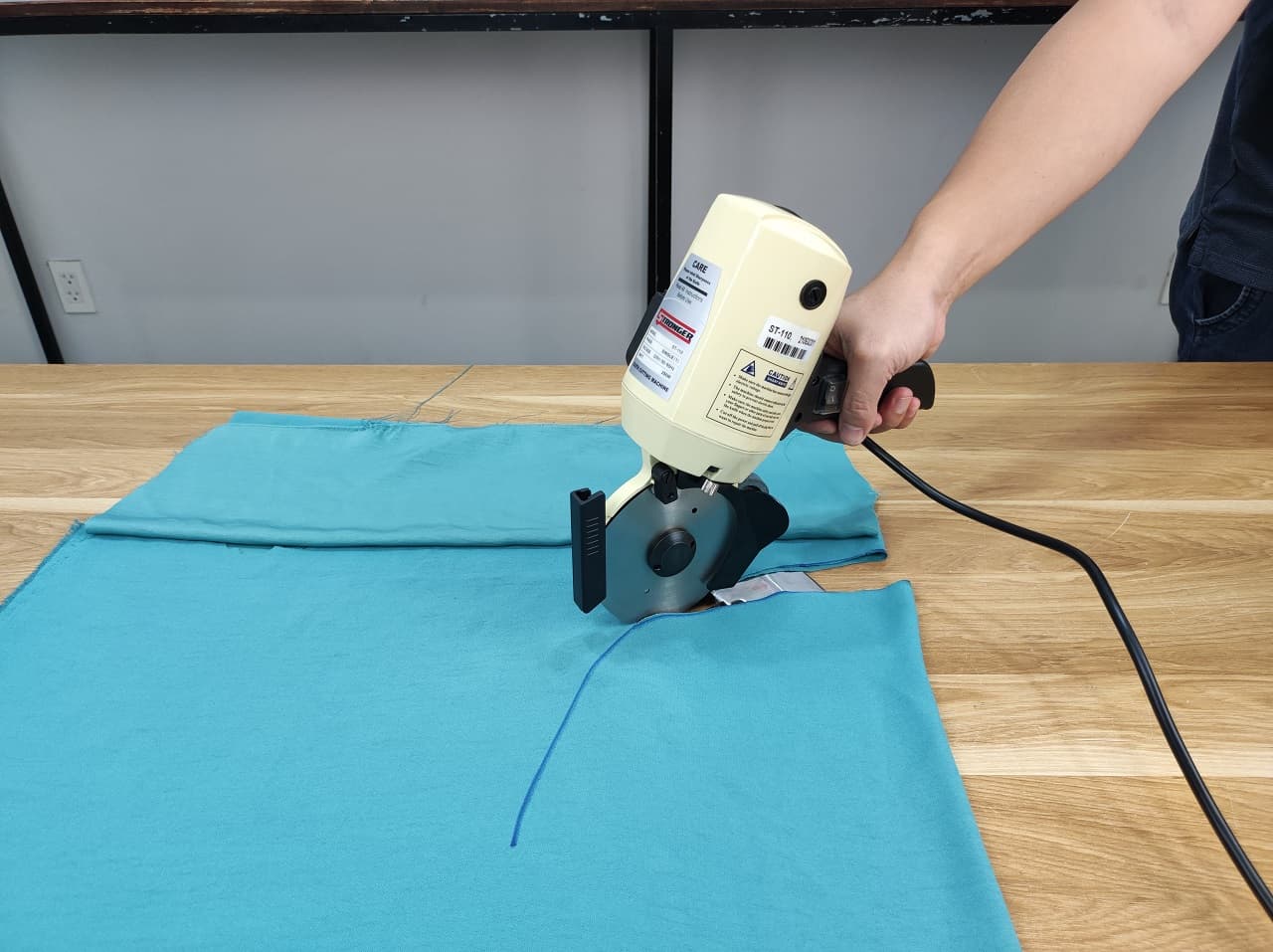
Track each job through cutting, sewing, and trimming against the style BOM. The cut plan drives marker efficiency and fabric consumption, cut panels are grouped into numbered bundles, and every bundle is followed to finishing so you always know work-in-progress by style, colour, and size.
Sewing-line & operator efficiency
Scan bundle tickets at each operation to capture piece-rate output, then measure operator and line efficiency against the SAM. Hourly production boards expose bottlenecks for live line balancing, and piece-rate data feeds straight into payroll instead of a separate tally book.
CMT vs FOB costing
Cost a CMT order on labour and overhead alone, or build a full FOB quote with fabric, trims, wastage, testing, and freight to port. Roll actuals against the quote per style and see contribution by buyer. Learn the mechanics in our CMT vs FOB glossary entry.
Buyer compliance & export docs
Store Sedex SMETA and WRAP certificates against each buyer, flag audit expiries before shipment, and generate the commercial invoice and packing list linked to the letter of credit — with the data captured for duty drawback, RoDTEP, and GSP preferential-origin claims.
4-point fabric inspection
Inspect incoming fabric with the industry-standard 4-point system, score rolls by penalty points per 100 square yards, and reject or re-grade before cutting — so defective fabric never becomes rejected garments at the final AQL audit.
Who garment ERP is for
Built for the businesses that actually make and export garments.
Garment manufacturers
Single-unit and multi-line factories that need cutting, sewing, and QC under one roof. See the garment & apparel solution.
Exporters
Houses shipping FOB to overseas buyers who need LC-linked documentation, compliance audits, and duty-drawback and RoDTEP claims handled without a separate export desk.
Multi-unit factories
Groups consolidating output across plants who need one view of capacity and cost. Explore solutions for manufacturers.
What garment factories gain
Typical outcomes when the floor, costing, and export desk share one system.
1–2 weeks
to go live on a single unit
Higher OTD
on-time delivery against buyer ship dates
Lower DHU
less rework with inline defect capture
Live WIP
bundle-level visibility across every line
See garment ERP software in action
A short overview of how Vastra ERP runs a garment operation end to end.
Garment ERP vs apparel & textile ERP
Related systems, different centres of gravity. Here is how to choose.
Garment ERP is production-first. It is tuned for the manufacturer and exporter — bundle tracking, SAM-based line balancing, CMT and FOB costing, and export documentation. If your business is measured in on-time shipments and DHU, this is your configuration.
Apparel ERP widens the lens to brands and wholesalers — seasonal ranges, assortment planning, and B2B order books alongside manufacturing. Clothing ERP leans further toward retail and direct-to-consumer selling.
Textile ERP sits upstream at the mill — spinning, weaving, knitting, and dyeing, where the unit is a fabric roll and a dye lot rather than a finished garment. Vastra ERP spans the whole chain, so garment, apparel, textile, and clothing teams work from the same data instead of re-keying between systems.
Frequently asked questions
What is garment ERP software?
Garment ERP software is an enterprise resource planning system built specifically for garment manufacturers, factories, and exporters. Unlike generic ERP, it understands the cut-make-trim (CMT) workflow — style tech packs, bill of materials, fabric and trim procurement, cutting, bundle-ticketed sewing lines, operator efficiency, finishing, packing, and export documentation — and ties every stage back to a buyer purchase order so you can cost, plan, and ship each style accurately.
How is garment manufacturing ERP different from apparel or clothing ERP?
The workflows overlap, but the emphasis differs. Garment manufacturing ERP is production-first: it is built for the factory floor — SAM/SMV-based line balancing, bundle tracking, DHU and rework capture, CMT versus FOB costing, and export paperwork like the LC and GSP/RoDTEP claims. Apparel and clothing ERP lean more toward brand, wholesale, and retail — assortment planning, seasonal ranges, e-commerce, and B2B order books. Vastra ERP covers all of it, but the garment configuration is tuned for the manufacturer and exporter.
Can garment ERP handle both CMT and FOB order costing?
Yes. In a CMT (cut-make-trim) job the buyer supplies fabric and trims, so you cost only labour, overhead, and a make margin. In an FOB (free on board) order you buy the raw materials yourself and quote a full landed cost including fabric, trims, consumables, CMT, wastage, testing, freight to port, and margin. Vastra ERP maintains both costing models side by side, rolls actuals against the quoted cost per style, and shows contribution per order so you know which buyers and styles actually make money.
Does the software support buyer compliance and export documentation?
It does. The system tracks buyer and social-compliance requirements such as Sedex SMETA and WRAP audits, stores certificates against each buyer, and flags expiries before shipment. On the export side it generates and links the commercial invoice, packing list, and shipment documents to the letter of credit (LC), and captures the data you need for duty-drawback and RoDTEP or GSP preferential-origin claims.
How long does it take to implement garment ERP software?
A focused rollout — style master, BOM, procurement, cutting, sewing lines, and QC — typically goes live in one to two weeks for a single unit, with export documentation and multi-factory consolidation layered on afterward. Because Vastra ERP is cloud-native and mobile-ready, supervisors can scan bundle tickets and log hourly line output from day one without on-premise servers or a long IT project. Most factories start with one line or one order as a pilot, prove the numbers against their existing tally sheets, then scale across every line once the floor trusts the data.
Do I need a full ERP, or just garment manufacturing software?
You can start with just the piece you need. If your immediate problem is the floor, begin with garment production software — production planning and shop-floor tracking. If it is fabric and trims, start with garment inventory management software. Both are modules of the same platform, so you adopt one first and switch on costing, quality, and export documentation later without changing systems or re-entering your style and item masters. Buying a standalone tool that cannot grow usually means replacing it within a year; growing into a garment manufacturing ERP avoids that.
How much does garment ERP software cost?
Garment ERP is priced in several ways across the market — per-user subscription, per-module, or a one-time licence plus implementation — and many enterprise vendors quote only on request, which makes budgeting hard. Vastra ERP publishes its price: ₹12,000 a month flat with unlimited users, plus a one-time ₹50,000 setup fee, so cost is predictable and there is no enterprise licence to buy. Because it is pre-built for garment manufacturing, you avoid the biggest hidden cost of a generic ERP: the customisation to teach it cut-make-trim, bundle tracking, and CMT/FOB costing.
When should a garment factory move off spreadsheets and registers?
When reconciling cutting, production, and dispatch records has become a daily job; when you cannot answer where an order actually is without calling the floor; when line output and DHU live on tally sheets that never quite match; and when you suspect certain styles or buyers lose money but cannot prove which because cost is not tied to each order. Those are the signs the manual system has become the bottleneck, and a garment ERP pays back fastest exactly there.
How does garment ERP handle the whole production process?
It follows a style through every stage on shared data: tech pack and BOM, fabric and trim procurement, cutting (spreading, marker, bundling), sewing lines (operation-wise, with bundle tracking and SAM-based efficiency), finishing and QC, and packing and export documentation — each linked back to the buyer order. Because it is one system, a problem at one stage is visible to the next, instead of surfacing as a missed ship date no one saw coming.
See Vastra ERP in action
Book a 30-minute demo. We'll show you exactly how Vastra ERP handles your specific garment manufacturing and export workflows.
Image credits: YeraC (CC BY-SA 4.0) · Thiet Bi M5s (CC BY-SA 4.0) · Fahad Faisal (CC BY-SA 4.0)