Colour is the most subjective thing a textile business has to agree on objectively. 'Navy' means one thing to a buyer in Germany and another to a dyer in Surat; 'the same red as last time' is a promise no one can keep on memory alone. The shade card is how the industry solves this — a physical reference that turns a word or an idea about colour into a specific, agreed standard everyone can hold in their hand and match against. It is a humble object that sits at the centre of some of the most expensive disputes in textiles, and understanding it well is worth more than it first appears.
What a shade card is
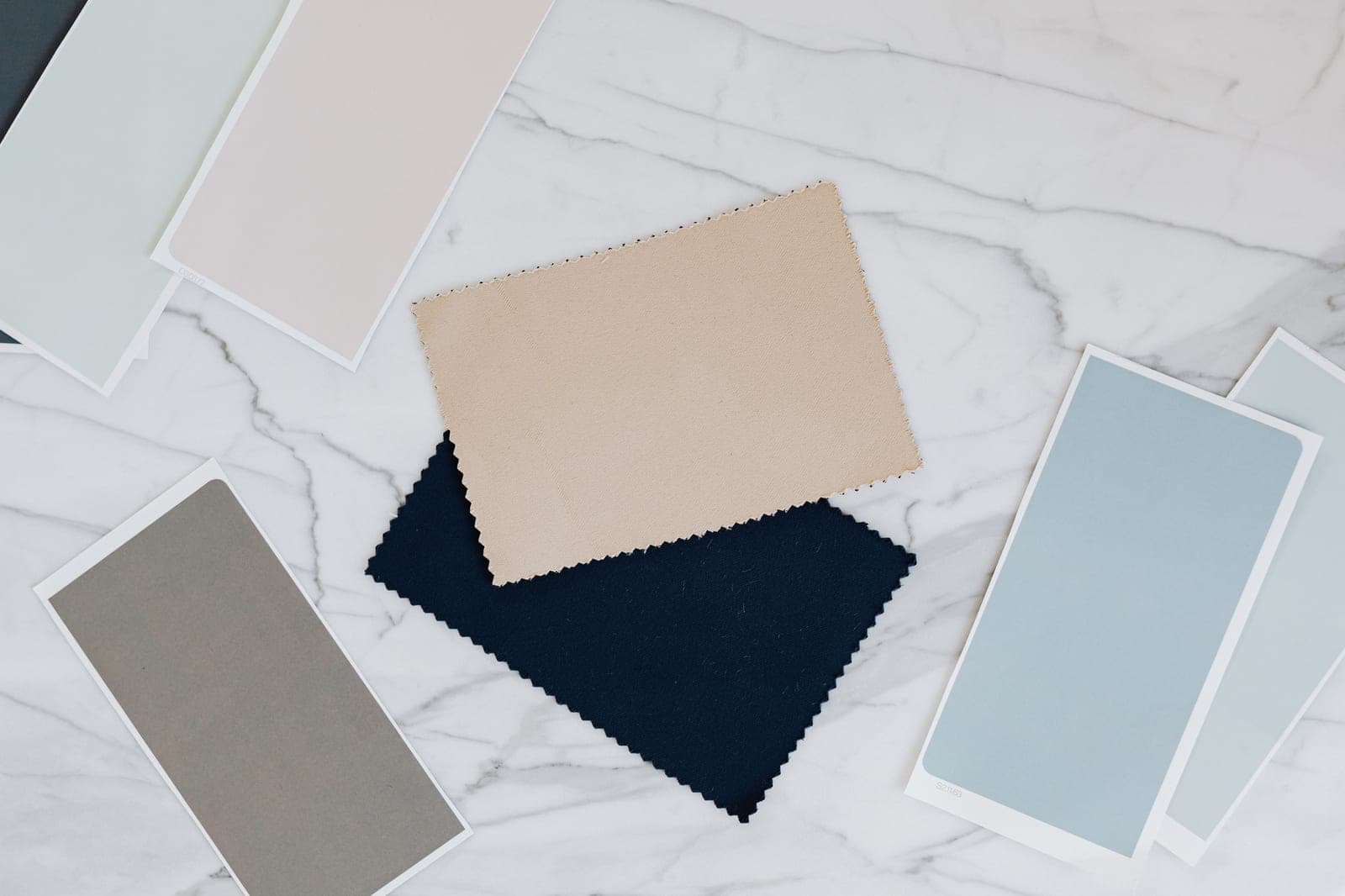
A shade card is a physical card or booklet displaying a range of colours as actual dyed samples — usually small swatches of yarn or fabric — each labelled with a code. It is the textile equivalent of a paint colour chart, but made in the real material, because a colour on paper and the same colour dyed onto cotton or polyester look different. A shade card might show a supplier's full range of available shades, or the specific approved colours for a particular buyer or season. Its whole purpose is to be a shared physical standard: the buyer approves a shade on the card, and every party downstream matches production to that exact swatch.
How shade cards are used across the supply chain
The shade card threads through the whole colour conversation. A dye house issues a card of the shades it can produce. A buyer selects and approves shades from it, or supplies their own standard to match. During development, a lab dip is dyed and checked against the approved shade before bulk. In bulk production, each batch is compared to the standard swatch to decide whether it passes. And at dispatch and complaint, the card is the reference that settles whether the delivered colour matches what was agreed. Remove the physical standard and every one of these steps collapses into argument.
The problem with physical shade cards
For all their usefulness, physical shade cards have real weaknesses. They fade, soil and change with age, so the 'standard' itself drifts. They exist in limited copies, so the buyer's card, the merchant's card and the dyer's card may not perfectly agree. Colour is judged by eye under whatever light is available, and the same swatch looks different under daylight, tube light and LED — the phenomenon of metamerism, where two colours match under one light and differ under another. And a physical card cannot be emailed, searched or attached to a digital order. The reference that holds the supply chain together is itself fragile.
Digital shade libraries and colour management
This is why colour is going digital. A digital shade library stores each shade not just as an image but as measured colour values (from a spectrophotometer), so the standard is a precise, unfading number rather than an ageing swatch. Shades can be searched, attached to orders, and shared instantly across the supply chain. Crucially, a measured standard lets a match be judged numerically — the colour difference between a sample and the standard expressed as a value — rather than argued by eye. Held inside a textile ERP, the shade becomes part of the order and the dye lot record, and the quality control module checks production against it.
Where AI fits in
AI extends digital colour management in practical ways. AI shade-matching compares a production sample against the stored standard and quantifies the difference consistently, flagging a batch that is out of tolerance before it ships — the objective version of holding a swatch up to the light. Document AI reads a buyer's colour approval or shade reference into the system so the standard is captured accurately. And image analysis can help match a sample or a photographed swatch to the nearest shade in an existing library rather than creating a duplicate. As always, the honest framing matters: a phone photo is not a spectrophotometer, and serious colour work still uses proper measurement — but AI makes the digital shade standard easier to capture, search and check against.
The shade card looks like the simplest thing in a textile business and sits under some of its costliest disputes. Moving from a fading physical swatch judged by eye to a measured, shared, digital standard is one of the quiet upgrades that removes a whole category of colour argument. If 'it doesn't match' complaints are a recurring cost, your colour standard is probably still a physical card — and you can see how a digital shade library works with your own shades.
Frequently Asked Questions
What is a shade card in textiles?
A shade card is a physical card or booklet showing a range of colours as actual dyed samples — small swatches of yarn or fabric — each with a code. It is the textile version of a paint colour chart but made in real material, because a colour on paper differs from the same colour dyed onto cotton or polyester. It serves as the shared physical standard everyone matches production against.
Why are physical shade cards a problem?
They fade, soil and change with age, so the standard itself drifts; they exist in limited copies that may not perfectly agree; colour is judged by eye under whatever light is available, causing metamerism (colours matching under one light and differing under another); and a physical card can't be emailed, searched or attached to a digital order. This is why colour management is going digital.
How does a digital shade library and AI improve colour management?
A digital shade library stores each shade as measured colour values from a spectrophotometer — a precise, unfading standard that can be searched, shared and attached to orders. AI shade-matching then compares a production sample to the stored standard and quantifies the difference numerically, flagging out-of-tolerance batches before they ship, and document AI reads buyer colour approvals in accurately.
Vastra ERP Editorial Team
Textile Technology Experts
Our editorial team brings decades of combined experience in textile manufacturing, supply chain management, and enterprise technology. We publish in-depth guides, industry analysis, and practical insights for textile professionals worldwide.