The T-shirt you are probably wearing, the socks on your feet, the sweatshirt in your cupboard — all knitted. Knitting makes the soft, stretchy, comfortable fabrics that dominate casualwear, and it does it in a fundamentally different way from weaving: instead of interlacing two sets of yarn, knitting interloops yarn into rows of loops, and it is that loop structure that gives knits their stretch. But 'knitting' actually covers two distinct processes and a wide range of structures, and a knitting unit's output depends on knowing which is which. This guide explains the types of knitting.
Weft knitting vs warp knitting
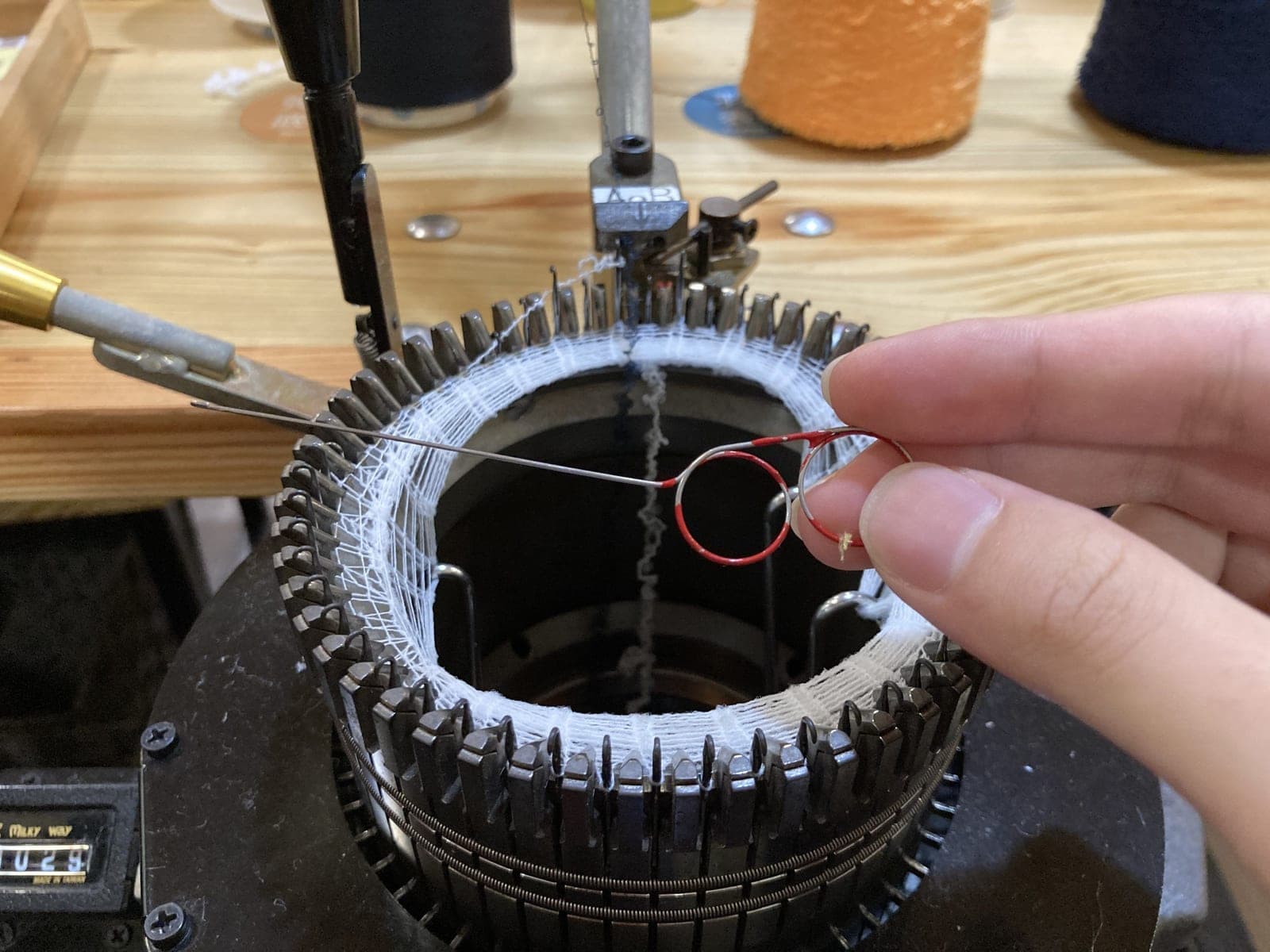
The fundamental split is the direction the loops are formed. **Weft knitting** forms loops across the fabric, row by row, from a single yarn (like hand knitting). It is the most common industrial knitting, done on circular machines (for tubular fabric — T-shirts, hosiery) and flat machines (for panels — sweaters, collars). Weft knits stretch well and are the basis of most jersey. **Warp knitting** forms loops down the fabric, with many yarns worked simultaneously, on tricot and raschel machines. Warp knits are more stable and run-resistant, used for things like lingerie, sportswear mesh, and technical fabrics. The two need entirely different machines.
Common knit structures
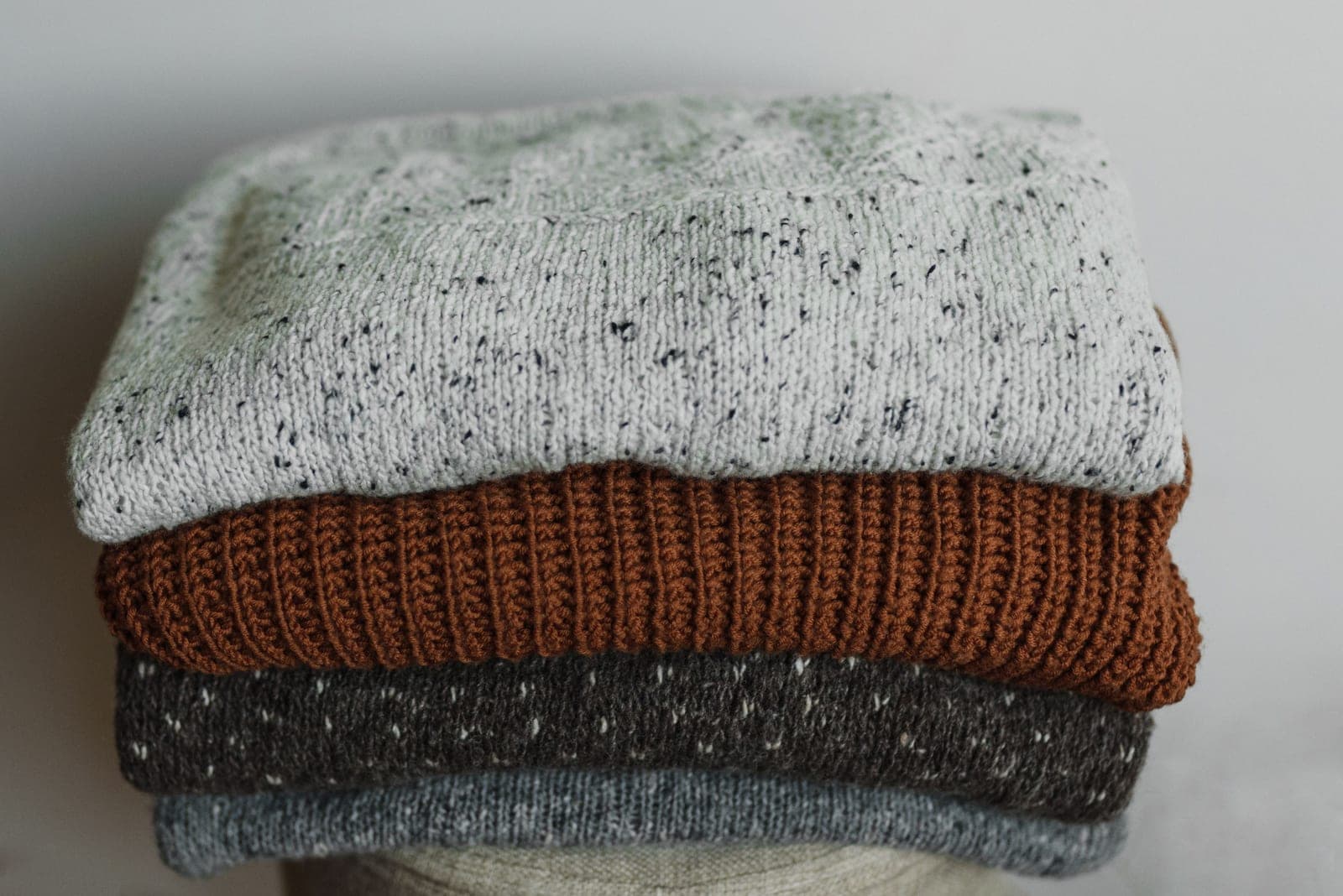
Within weft knitting, a few structures dominate. **Single jersey** is the basic, lightweight knit — smooth on the face, looped on the back — the classic T-shirt fabric, but it curls at the edges and can ladder. **Rib** knit alternates face and back loops to create vertical ridges with excellent crosswise stretch, used for cuffs, collars and waistbands. **Interlock** is a smoother, more stable double-knit, thicker and the same on both sides. **Purl, pique and fleece** are further variations. Each has a distinct stretch, weight and appearance, and each is specified by the buyer for a reason.
What a knitting unit has to manage
A knitting unit's operational reality is machine-centric. Output depends on machine gauge (needles per inch, which sets fineness), the structure being knitted, and the yarn. Quality issues — holes, drop stitches, needle lines, barré (shade banding) — trace to yarn faults or machine problems and must be caught at inspection. And knits are usually made to a target GSM, which the machine settings and yarn together determine. As with weaving, cost is dominated by machine efficiency and the proportion of running time.
How ERP manages knitting production
A knitting ERP ties structure, machine and order together. Each knit quality carries its structure, gauge, GSM and yarn, so quoting and consumption are accurate. Production is recorded by machine and shift so efficiency is measured; quality faults are captured by type against lots so recurring problems surface; and orders are planned against machines that can knit the required structure and gauge. Knit fabric feeds forward into cutting and sewing for garment and apparel manufacturers, all on the one textile ERP platform.
Knitting is not one process but two — weft and warp — and a family of structures, each specified for its stretch, weight and look. A knitting unit that manages structure, gauge, GSM and machine efficiency as data runs more profitably than one that watches only the machines. If knit quality faults and machine efficiency are hard to see in your unit, that visibility is where improvement starts, and you can see how knitting production is tracked with your own qualities and machines.
Frequently Asked Questions
What are the two main types of knitting?
Weft knitting and warp knitting. Weft knitting forms loops across the fabric row by row from a single yarn (like hand knitting), on circular machines (tubular fabric — T-shirts, hosiery) or flat machines (panels — sweaters); it is the most common. Warp knitting forms loops down the fabric with many yarns at once, on tricot and raschel machines, giving more stable, run-resistant fabrics for lingerie, sportswear mesh and technical uses.
What are common knit fabric structures?
In weft knitting: single jersey (basic lightweight T-shirt knit, smooth face and looped back, but curls and can ladder), rib (alternating face and back loops for vertical ridges and crosswise stretch, used on cuffs and collars), and interlock (a smoother, stable double-knit, same on both sides). Purl, pique and fleece are further variations, each with distinct stretch, weight and appearance.
How does ERP help a knitting unit?
A knitting ERP holds each knit quality's structure, gauge, GSM and yarn so quoting and consumption are accurate, records production by machine and shift so efficiency is measured, captures quality faults by type against lots so recurring problems surface, and plans orders against machines that can knit the required structure and gauge. The knit fabric then feeds forward into cutting and sewing.
Vastra ERP Editorial Team
Textile Technology Experts
Our editorial team brings decades of combined experience in textile manufacturing, supply chain management, and enterprise technology. We publish in-depth guides, industry analysis, and practical insights for textile professionals worldwide.