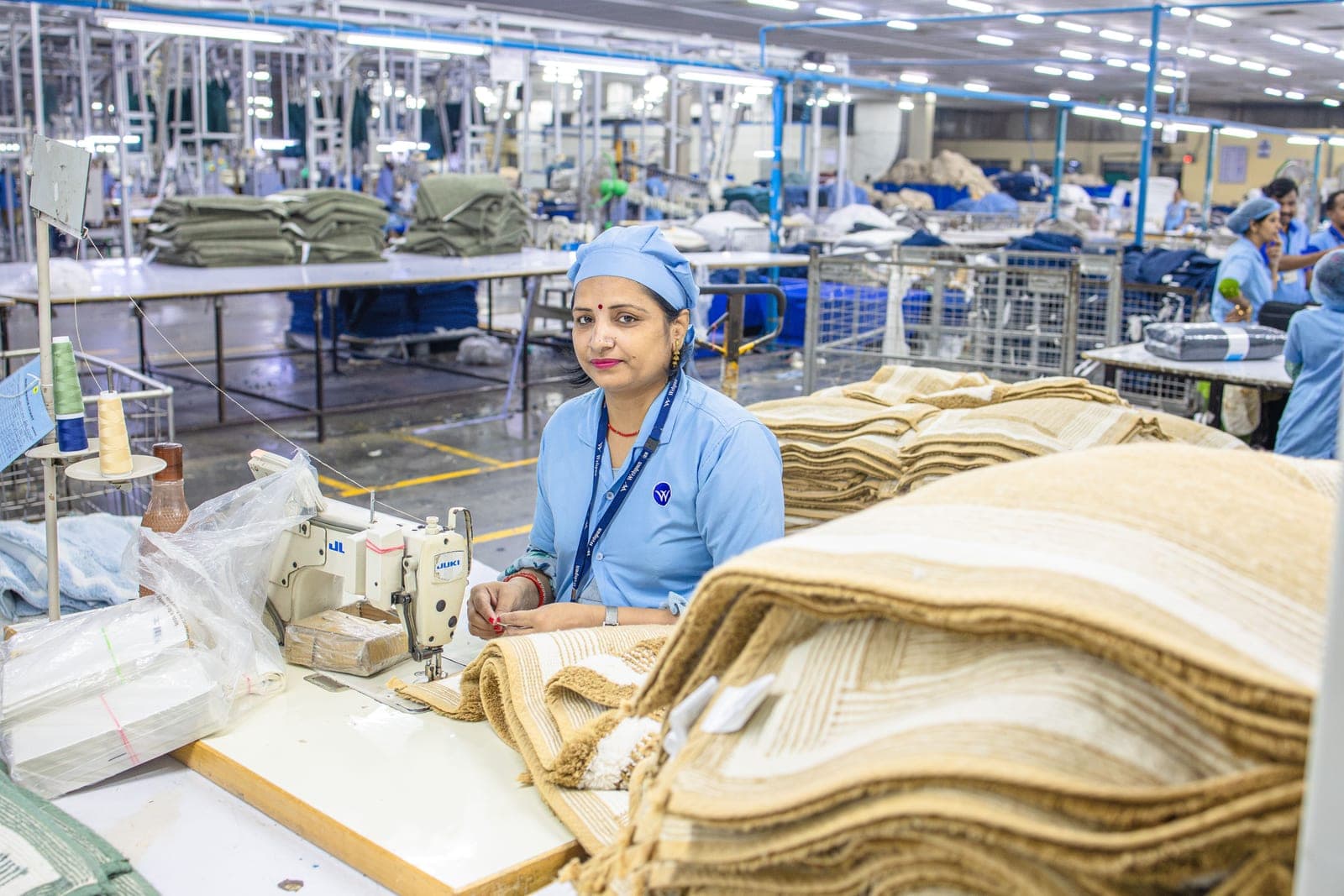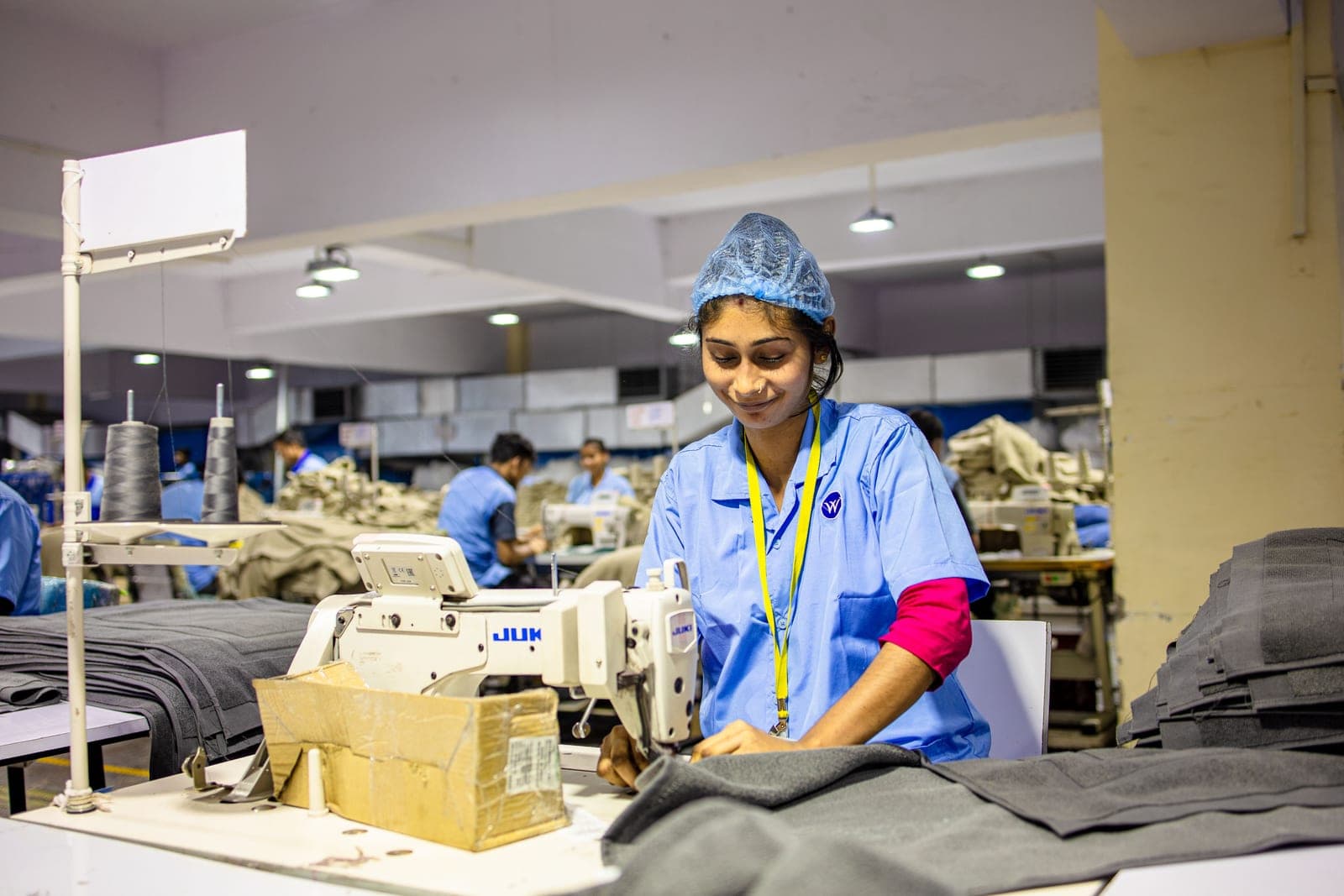
A home sewing machine is a jack of all trades — it does straight stitch, zigzag, a few decorative stitches, and buttonholes, all reasonably well. A garment factory takes the opposite approach: instead of one machine doing everything adequately, it runs many specialised machines, each doing one operation supremely well and fast. Walk a factory floor and you will see a line of quite different machines, each dedicated to a specific job. Understanding the main types explains how garments are actually assembled and why a factory's machine mix is a real strategic choice. This guide covers the key industrial sewing machine types.
Why factories use specialised machines
The logic is speed and quality at volume. A single-purpose machine, set up and operated for one operation all day, is faster, more consistent and higher quality at that operation than a general machine constantly reconfigured. A garment is broken into a sequence of operations — join this seam, finish that edge, attach this component — and each is assigned to the machine built for it, arranged along a production line. The machine mix a factory owns therefore shapes what it can make efficiently.
The main sewing machine types
**Lockstitch (single needle)** — the workhorse, forming the strong, neat straight stitch used for most seams and topstitching. **Overlock (serger)** — trims and encloses a raw edge with an overedge stitch to stop fraying, essential for finishing seams, especially on knits. **Flatlock** — creates flat, stretchable seams that lie smooth against the skin, common in activewear and knitwear. **Chainstitch** — a stretchy, ravel-prone-if-cut stitch used for seams and hems (the classic on jeans hems). **Bartack** — concentrates dense stitches to reinforce stress points like pocket corners, belt loops and buttonholes. **Buttonhole and button-sew machines** — dedicated to those specific, fiddly operations. **Feed-off-the-arm, cover-stitch, and others** handle specialised seams. Each solves a specific sewing problem.
How machine choice shapes production
Because operations are assigned to machines, the factory's machine mix and how machines are balanced along the line directly affect throughput and cost. A line short of the right machine for a bottleneck operation runs slow; a well-balanced line with the right machines flows. This is why line balancing — matching operations, operators and machines to the work — is a core skill, and why understanding machine types is not academic for a production manager but a daily operational concern.
How ERP supports the sewing floor
A garment ERP ties the sewing floor to the order and the SAM-based plan. Operations, machines and operators are tracked, production is recorded so line efficiency and output are measured, and piece-rate data can feed payroll. Bottlenecks become visible for balancing, and the sewing operation is costed accurately as part of CMT. It is the shop-floor discipline of the garment ERP on the textile ERP platform that turns a line of specialised machines into a measured, managed operation.
A garment factory runs many specialised sewing machines — lockstitch, overlock, flatlock, bartack and more — because a machine built for one operation beats a general machine at that operation, and a garment is a sequence of such operations. The machine mix and how it is balanced along the line shape what a factory can make and how efficiently. Managing that floor as measured data is where efficiency is found, and you can see how the sewing floor is tracked with your own operations.
Frequently Asked Questions
What are the main types of industrial sewing machines?
Lockstitch (single needle) for most seams and topstitching; overlock (serger) to trim and enclose raw edges against fraying, especially on knits; flatlock for flat stretchable seams in activewear; chainstitch for stretchy seams and hems (like jeans hems); bartack to reinforce stress points like pocket corners and belt loops; and dedicated buttonhole and button-sew machines, plus specialised types like cover-stitch and feed-off-the-arm.
Why do garment factories use so many different sewing machines?
For speed and quality at volume. A single-purpose machine set up and operated for one operation all day is faster, more consistent and higher quality at that operation than a general machine constantly reconfigured. A garment is broken into a sequence of operations, each assigned to the machine built for it and arranged along a production line, so the machine mix shapes what the factory can make efficiently.
How does the sewing machine mix affect production?
Because operations are assigned to specific machines, the factory's machine mix and how machines are balanced along the line directly affect throughput and cost. A line short of the right machine for a bottleneck operation runs slow; a well-balanced line with the right machines flows. This makes line balancing a core skill and machine-type knowledge a daily operational concern.
Vastra ERP Editorial Team
Textile Technology Experts
Our editorial team brings decades of combined experience in textile manufacturing, supply chain management, and enterprise technology. We publish in-depth guides, industry analysis, and practical insights for textile professionals worldwide.