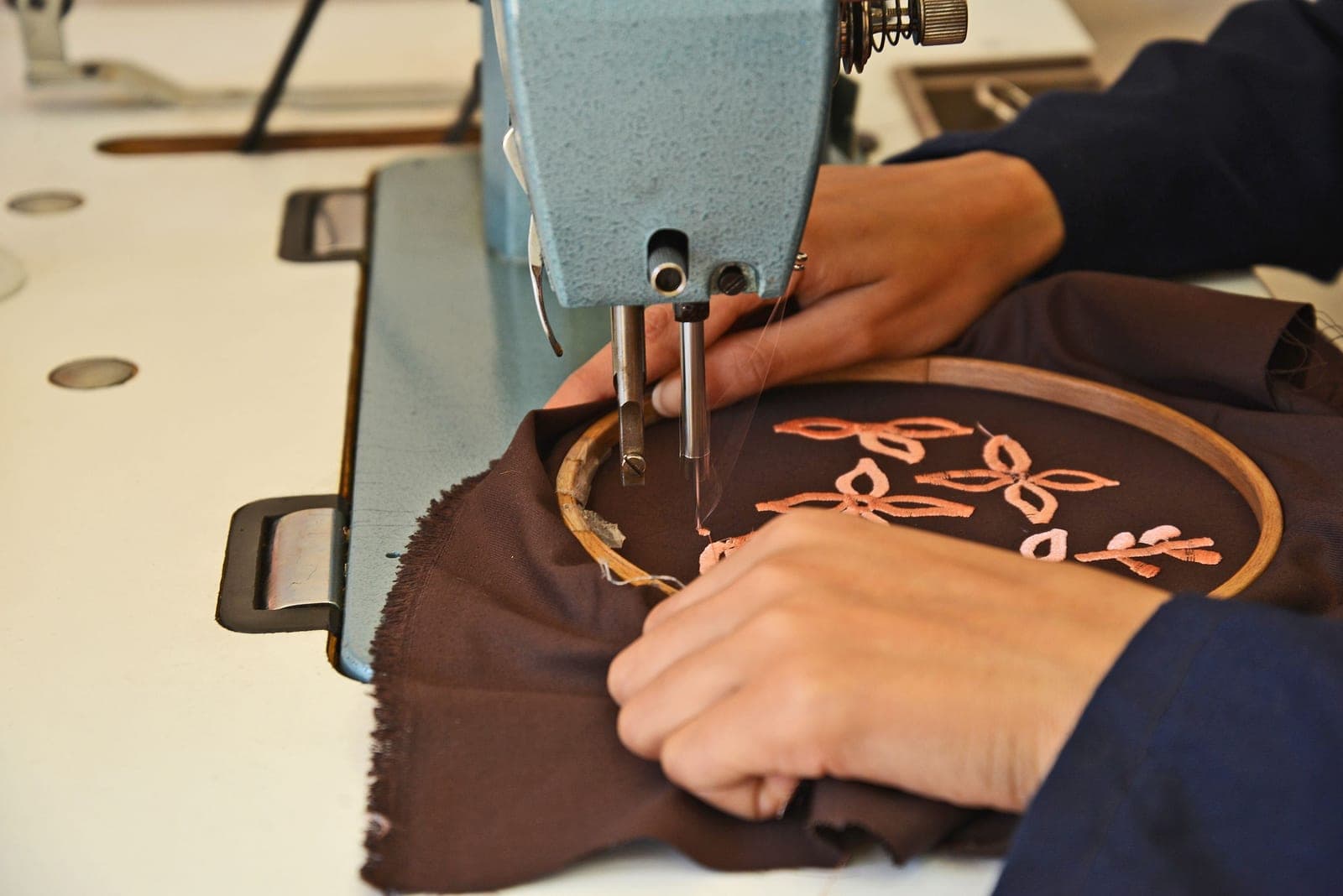
A machine-embroidered logo on a polo shirt looks like something a computer simply printed in thread. In reality, between the artwork and the finished embroidery lies a skilled, invisible step that determines whether the design looks crisp or puckered, runs cleanly or breaks thread constantly: embroidery digitizing. It is the least understood part of the embroidery business and often the most important. This guide explains what digitizing is, why it matters, and how a production embroidery operation manages it.
What embroidery digitizing is
Embroidery digitizing is the process of converting a piece of artwork — a logo, a design, a monogram — into a machine embroidery file that tells an embroidery machine exactly how to stitch it: the stitch types, directions, densities, sequence and colour changes. An embroidery machine cannot read a JPEG or a logo; it needs precise stitch instructions. A digitizer, using specialist software, translates the visual design into those instructions, making dozens of decisions about how the design should be built in thread. It is part art, part technical craft.
Why digitizing decides embroidery quality
The quality of an embroidered design is largely decided at digitizing, not at the machine. Good digitizing accounts for how thread and fabric behave: it sets the right stitch density (too dense and the fabric puckers or the needle breaks; too loose and gaps show), the right underlay (stitches beneath that stabilise the design), the correct sequence (to minimise thread trims and jumps), and compensation for the way fabric pushes and pulls under stitching. Poor digitizing produces designs that pucker, misalign, break thread and run slowly — problems that look like machine faults but were actually baked in at the digitizing stage. Getting digitizing right is cheaper than fighting its consequences on every piece.
The production embroidery business
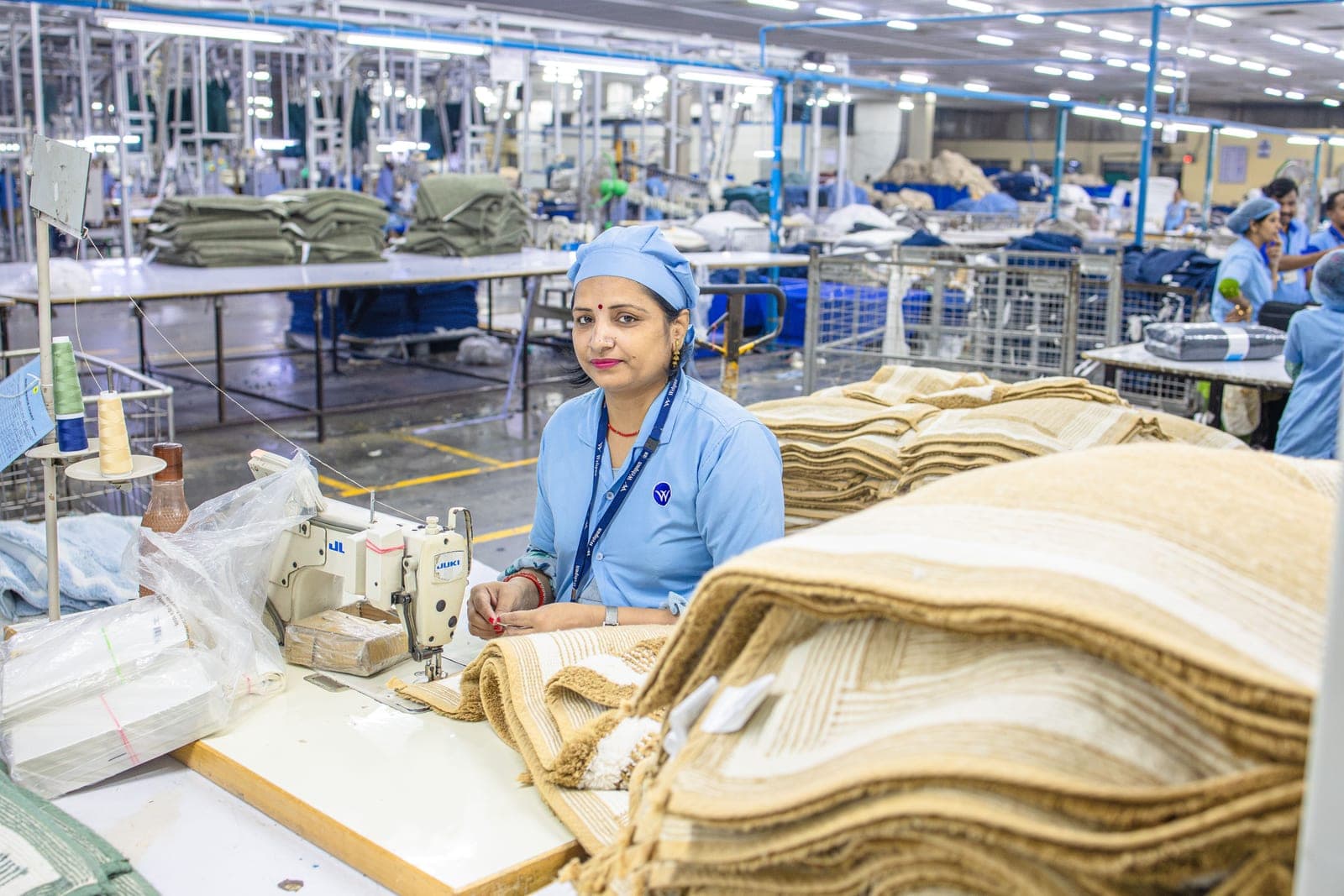
For a business doing embroidery at volume — on garments, home textiles, patches or made-ups — digitizing is one input into a broader operation. Each design has its digitized file; orders specify designs, placements, colours and quantities; machines are scheduled; thread and backing are consumed; and quality is checked. As with other textile processes, the operational reality is machine efficiency, consistent quality, and accurate costing of a value-added service. A single bad digitized file can cause defects across a whole run, so managing the design library and its files carefully matters.
How ERP supports embroidery production
A production embroidery business benefits from the same discipline as the rest of textiles. An ERP ties designs, orders, machines and consumption together: each order links to its design and placement, production is scheduled and recorded by machine, thread and backing consumption is captured so the value-added service is costed accurately, and quality is tracked. Where embroidery is one operation within garment making, it connects to the wider garment and apparel production on one platform, so an embroidered panel flows into the garment it belongs to rather than living in a separate silo.
Where AI helps
AI is beginning to assist digitizing itself — auto-digitizing tools can convert simple artwork to stitch files faster, though skilled digitizers still refine complex designs, so the honest position is AI-assisted rather than AI-replaced digitizing. On the production side, AI supports embroidery as it does other processes: document AI reads embroidery orders and specs into the system, and analytics on captured data help cost and schedule the work. The craft of digitizing remains central; AI speeds the routine parts and the surrounding operation.
Embroidery digitizing is the hidden skill that decides whether machine embroidery looks professional or amateur, runs smoothly or fights the operator. Treating the digitized design library and the production around it with proper care — files managed, orders linked, consumption costed — is what turns embroidery from a temperamental craft into a reliable, profitable service. If embroidery quality and costing are hard to control in your operation, that structure is where it starts, and you can see how embroidery production is managed with your own designs and machines.
Frequently Asked Questions
What is embroidery digitizing?
Embroidery digitizing is converting a piece of artwork — a logo, design or monogram — into a machine embroidery file that tells the machine exactly how to stitch it: stitch types, directions, densities, sequence and colour changes. An embroidery machine can't read a JPEG; it needs precise stitch instructions, which a digitizer creates using specialist software, making many decisions about how to build the design in thread.
Why does digitizing decide embroidery quality?
Because good digitizing accounts for how thread and fabric behave — the right stitch density (too dense puckers the fabric or breaks needles; too loose shows gaps), the right underlay, the correct sequence, and compensation for fabric push-and-pull. Poor digitizing produces designs that pucker, misalign, break thread and run slowly — problems that look like machine faults but were baked in at digitizing.
How does ERP support an embroidery business?
An ERP ties designs, orders, machines and consumption together: each order links to its design and placement, production is scheduled and recorded by machine, thread and backing consumption is captured so the service is costed accurately, and quality is tracked. Where embroidery is one operation within garment making, it connects to the wider garment and apparel production on one platform.
Vastra ERP Editorial Team
Textile Technology Experts
Our editorial team brings decades of combined experience in textile manufacturing, supply chain management, and enterprise technology. We publish in-depth guides, industry analysis, and practical insights for textile professionals worldwide.