Tie and dye is one of those techniques that feels timeless and trendy at once — an ancient resist-dyeing craft practised for centuries as India's bandhani and Japan's shibori, and simultaneously a recurring fashion staple that sweeps back into style every few years. At its core it is beautifully simple: stop the dye reaching parts of the fabric, and the pattern appears where the colour could not. But behind the simplicity sits real technique, and for a workshop supplying fashion buyers, real production management. This guide covers how tie and dye works and how it scales from craft to business.
How tie and dye works
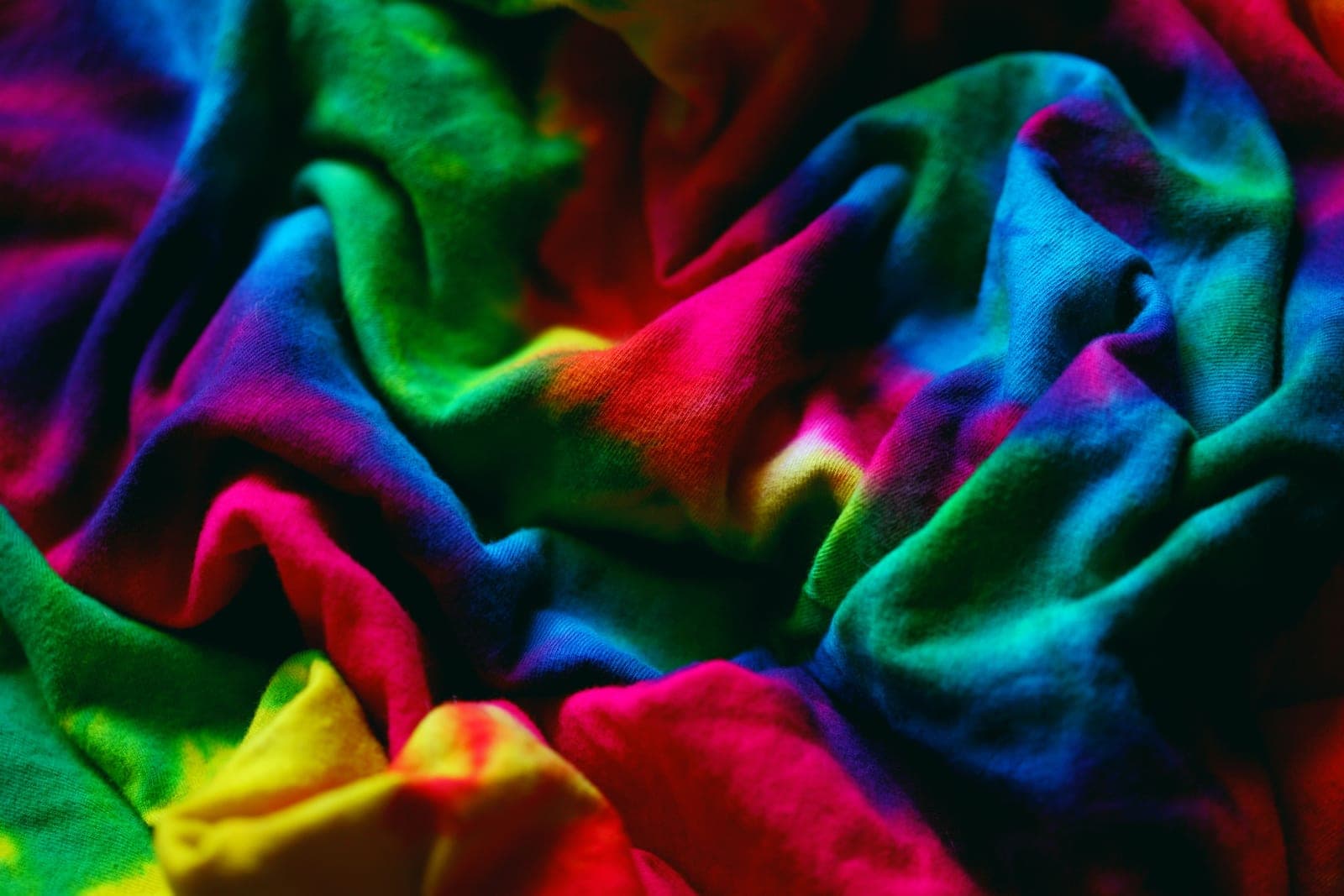
Tie and dye is a resist-dyeing method: parts of the fabric are prevented from absorbing dye, so they stay their original colour while the rest takes the dye, creating the pattern. The 'resist' is created physically — by tying, folding, twisting, binding, stitching or clamping the fabric before it is dipped in dye. Where the fabric is bound tightly, the dye cannot penetrate; where it is exposed, it colours. Unbinding reveals the pattern. Multiple rounds of binding and dyeing in different colours build up complex, multi-hue designs. It is the interplay of how the fabric is manipulated and how it is dyed that creates the endless variety.
The main techniques
Different traditions manipulate the fabric differently. **Bandhani** (India) plucks and ties thousands of tiny points to create fine dotted patterns, a highly skilled craft of Gujarat and Rajasthan. **Shibori** (Japan) uses an array of methods — binding, stitching, folding, pole-wrapping and clamping — for sophisticated, often geometric results. **Fold-and-dye and spiral** techniques create the bold, familiar Western tie-dye look. **Clamp-resist (itajime)** presses fabric between shaped blocks for crisp repeating patterns. Each technique is a different way of controlling where dye can and cannot go.
Tie and dye as a production business
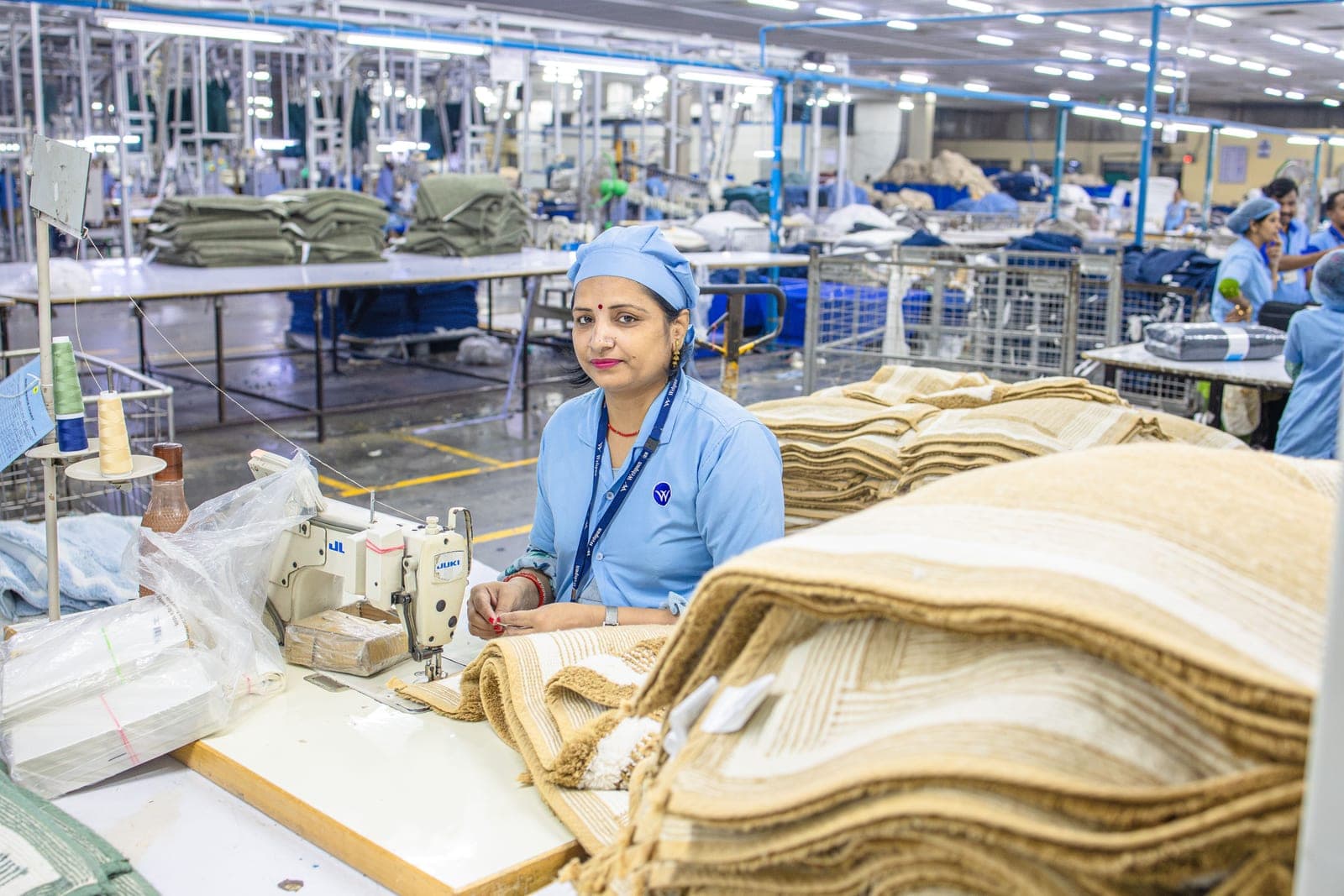
When a workshop supplies fashion or home-textile buyers with tie-dye, it becomes a production operation with the familiar demands: orders for specific patterns, colours and quantities; sourcing base fabric and dyes; scheduling skilled labour; and meeting quality standards and delivery dates. Because it is hand-resisted, consistency across a batch is a genuine challenge — every piece is a little different, which is part of the charm but a problem when a buyer expects a matched order. Managing that balance between hand-made character and commercial consistency is the heart of the business.
How ERP supports a tie-dye workshop
A textile ERP handles the business side while leaving the craft untouched. Patterns and colourways are catalogued; orders link to them with quantities and dates; base fabric and dye consumption is captured against runs so the hand process is costed accurately; labour and production are scheduled; and quality and rejections are tracked so the acceptable range of hand-variation is managed rather than left to chance. For exporters it carries the buyer documentation the trade needs. It gives a craft workshop the operational control of the textile ERP platform without standardising away the handmade character buyers are paying for.
Tie and dye is a craft of controlling where colour cannot go, and a business of balancing handmade character against commercial consistency. A workshop that manages its patterns, orders, consumption and quality as data can serve demanding fashion buyers reliably while keeping the human variation that makes the product special. If your tie-dye business is scaling past what memory can hold, that structure is what carries it, and you can see how craft production is managed with your own patterns and orders.
Frequently Asked Questions
How does tie and dye work?
Tie and dye is a resist-dyeing method: parts of the fabric are prevented from absorbing dye — by tying, folding, twisting, binding, stitching or clamping before dipping — so they stay their original colour while the rest takes the dye. Where the fabric is bound tightly the dye can't penetrate; where exposed, it colours. Unbinding reveals the pattern, and multiple rounds in different colours build complex designs.
What are the main tie and dye techniques?
Bandhani (India) ties thousands of tiny points for fine dotted patterns; shibori (Japan) uses binding, stitching, folding, pole-wrapping and clamping for sophisticated geometric results; fold-and-dye and spiral techniques create the bold Western tie-dye look; and clamp-resist (itajime) presses fabric between shaped blocks for crisp repeats. Each is a different way of controlling where dye can and cannot reach.
How is tie and dye managed as a production business?
A workshop supplying buyers manages orders for specific patterns, colours and quantities, sources base fabric and dyes, schedules skilled labour, and meets quality and delivery standards. The key challenge is consistency — hand-resisted pieces each differ slightly, which is charming but a problem when a buyer expects a matched order. An ERP catalogues patterns, links orders, captures consumption for costing, and tracks the acceptable range of variation.
Vastra ERP Editorial Team
Textile Technology Experts
Our editorial team brings decades of combined experience in textile manufacturing, supply chain management, and enterprise technology. We publish in-depth guides, industry analysis, and practical insights for textile professionals worldwide.