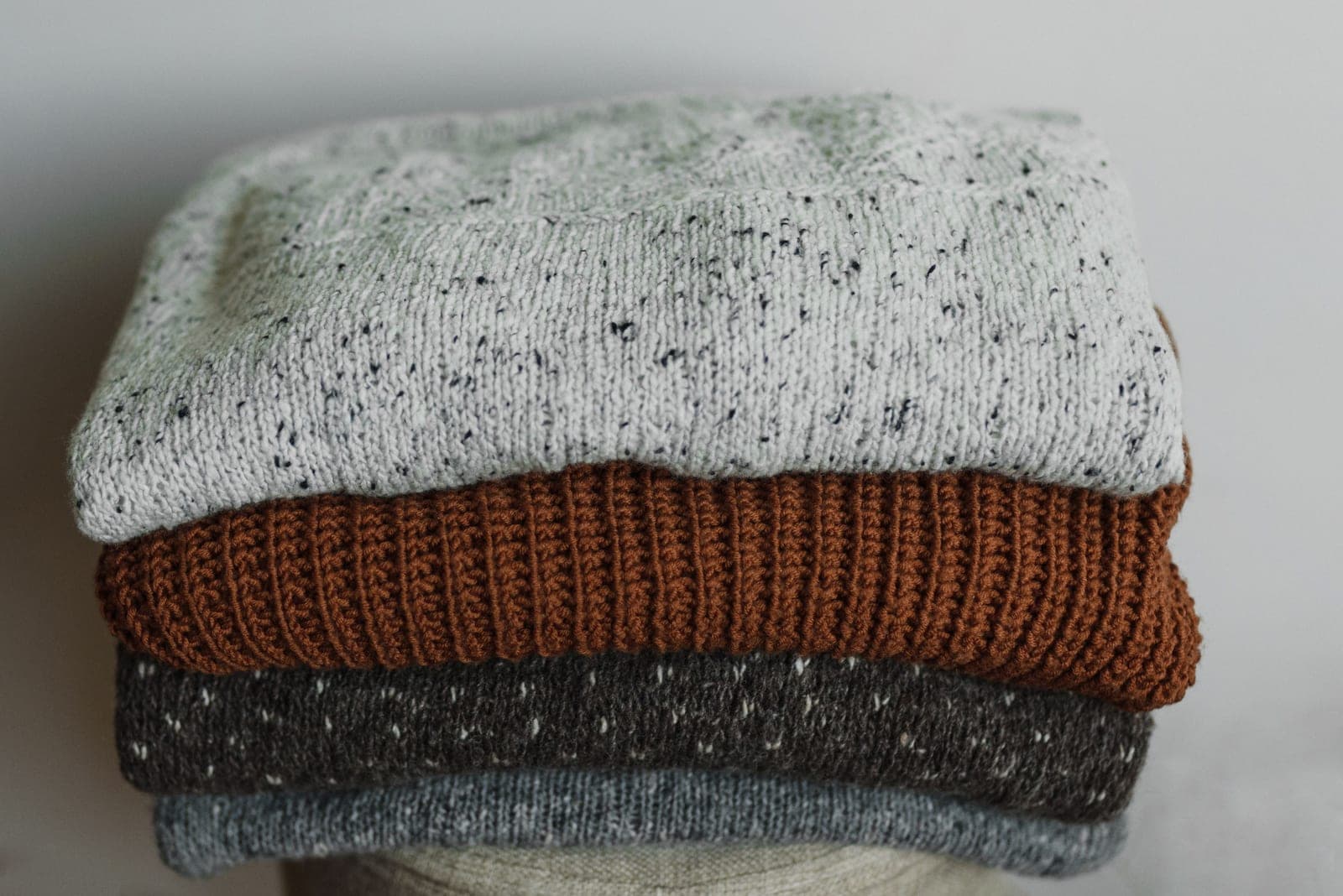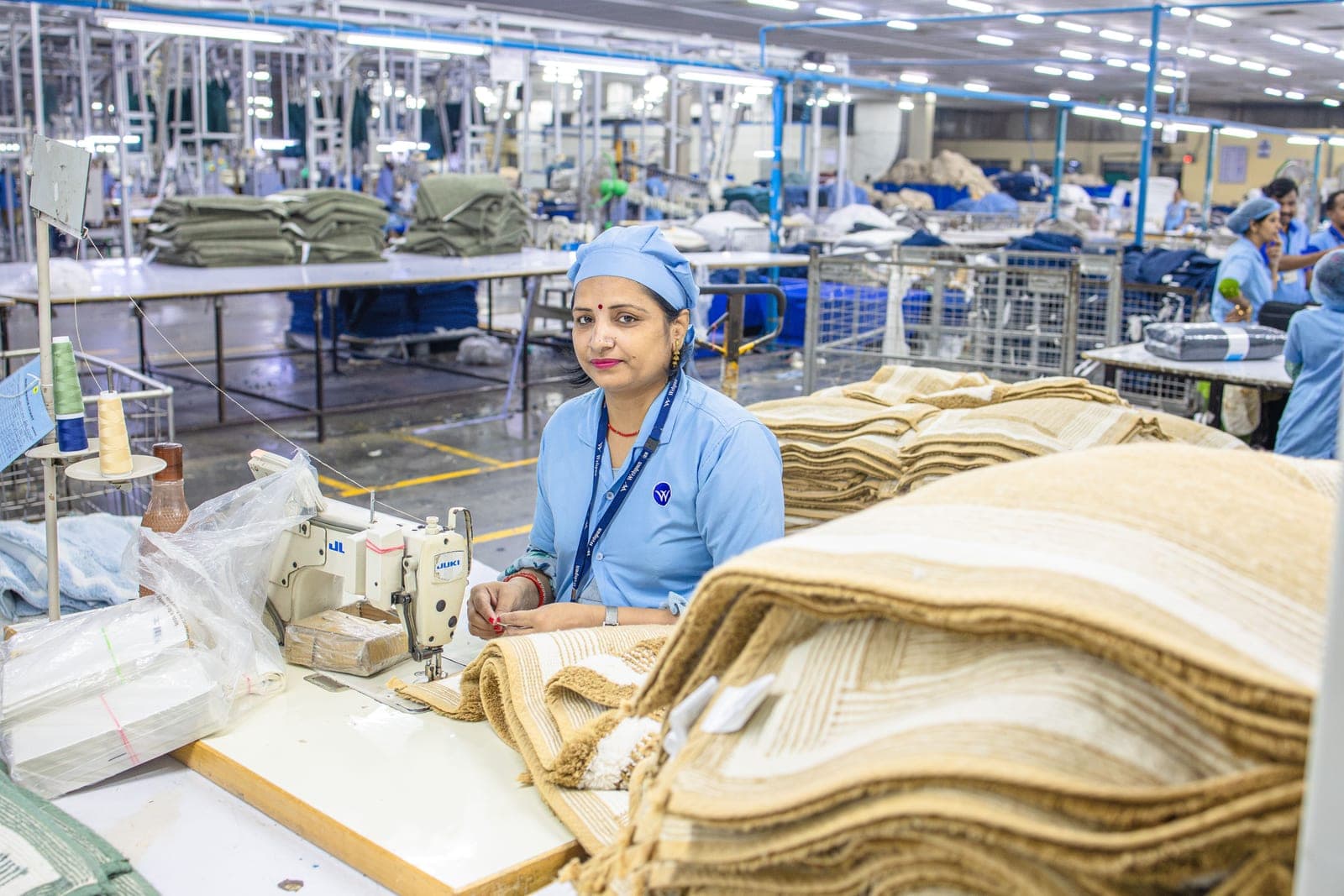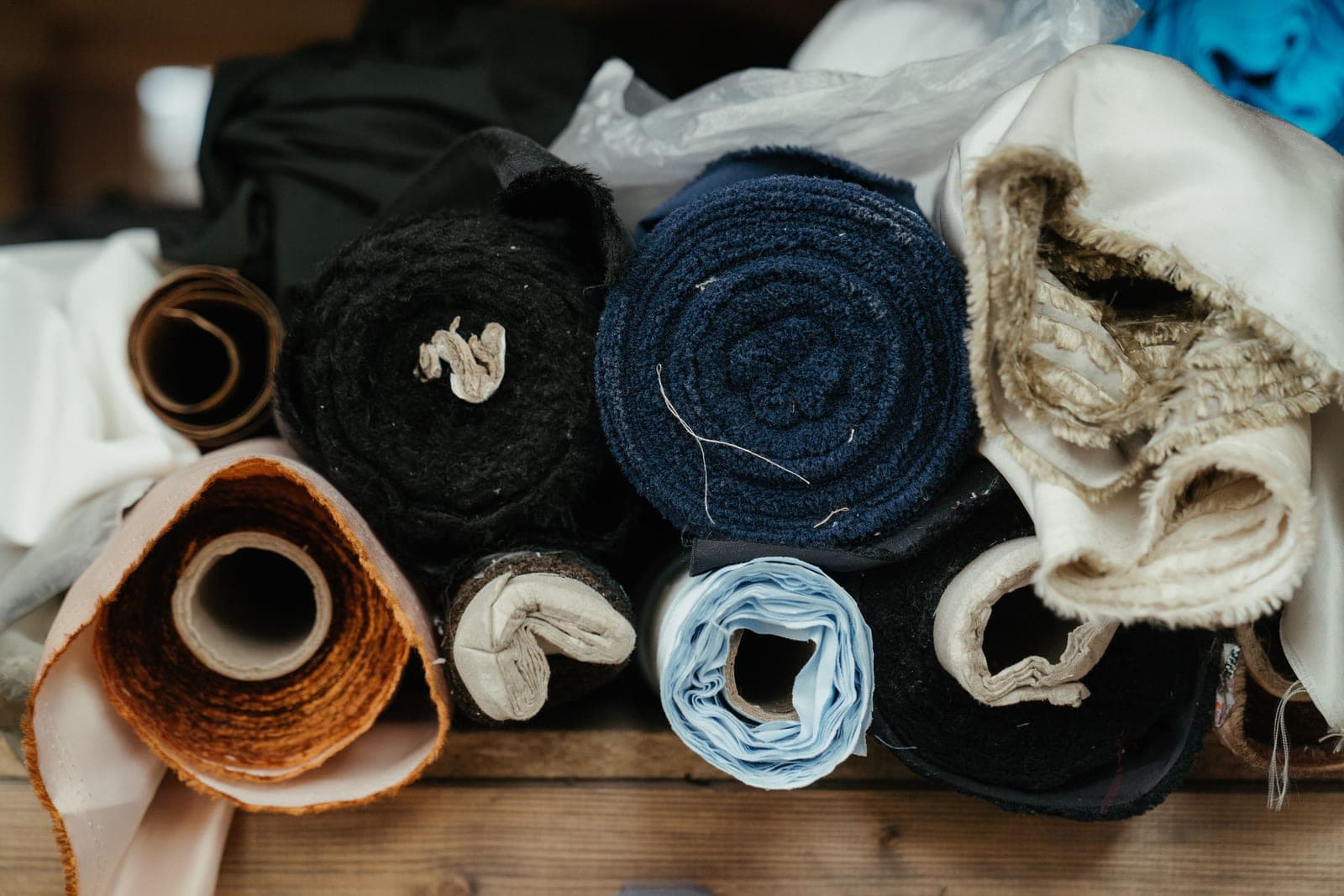
Fabric as it comes off the loom or the knitting machine — called greige or grey fabric — is rarely what the buyer actually wants. It may be stiff, unclean, dimensionally unstable, the wrong shade, and lacking whatever hand or property the end use requires. Finishing is the collective name for everything done to greige to turn it into a finished, saleable product, and it is one of the highest value-add stages in textiles: the same greige can leave a finishing house as several distinct products at different prices. It is also where a surprising amount of value — and a surprising number of defects — are created.
What finishing sets out to do
Finishing has several goals, often combined: clean and prepare the fabric (removing size, impurities and surface fibre), add colour (through dyeing and printing, themselves part of wet processing), improve appearance (lustre, smoothness, drape), stabilise dimensions (so the fabric does not shrink unpredictably), and add functional properties (water repellence, flame retardance, softness, wrinkle resistance). Which finishes are applied depends entirely on the end use — a shirting fabric, an upholstery fabric and a technical fabric go through very different finishing routes.
Mechanical and chemical finishing
Finishes divide broadly into mechanical and chemical. **Mechanical finishes** change the fabric physically: singeing (burning off surface fibre for a smooth face), calendering (pressing between rollers for smoothness or sheen), raising and sueding (lifting fibre for a soft nap), compacting and sanforising (controlling shrinkage). **Chemical finishes** change it chemically: mercerising (for lustre and strength), softening, water-repellent and flame-retardant treatments, and easy-care resins. Most finished fabrics pass through a sequence of both, in a specific order, on a finishing range.
Why finishing is where value and defects meet
Finishing adds value precisely because it transforms the fabric — but every transformation is also a chance to introduce a defect. Uneven finishing, shade variation, crease marks, and dimensional problems all arise here, and because finishing acts on whole rolls, a finishing fault can ruin a large quantity at once. This is the double edge: finishing is where a fabric becomes worth more, and where it can be spoiled in bulk. Controlling the finishing recipe and catching faults early is therefore high-leverage.
How ERP controls finishing
A textile processing ERP treats finishing as a sequence of recorded, recipe-driven steps tied to the roll and lot. Each finishing route and its parameters are stored and reused so results are repeatable; chemical and energy consumption is captured so cost per finish is real; and the finished lot is traceable, so a finishing fault can be traced to its step and cause. Because the same greige becomes multiple finished products, the system tracks that transformation so stock reflects finished qualities, not just the greige. This is the production planning and quality discipline of the textile ERP platform.
Where AI helps
AI supports finishing in the same grounded ways it supports other wet processes: computer vision can scan finished fabric for shade variation, creases and unevenness consistently as it runs; analytics on captured recipe and consumption data can flag finishes that run costly or inconsistent; and document AI reads buyer finishing specifications in accurately. The finishing itself remains a skilled, chemistry-driven process; AI makes its outcomes measurable and its faults visible sooner.
Finishing is where greige becomes a product and where a fabric's value is either created or destroyed in bulk. A finishing house that runs recorded recipes, captures consumption and traces faults manages that value; one that finishes from memory gambles with it on every roll. If finishing faults or runaway chemical costs are hurting your margins, process control is the answer, and you can see how finishing routes are managed with your own qualities.
Frequently Asked Questions
What is fabric finishing?
Fabric finishing is the collective name for the processes that turn greige (grey fabric straight off the loom or knitting machine) into a finished, saleable product. It cleans and prepares the fabric, adds colour, improves appearance, stabilises dimensions, and adds functional properties. The same greige can become several distinct finished products at different prices depending on the finishing route.
What is the difference between mechanical and chemical finishing?
Mechanical finishes change the fabric physically — singeing (burning off surface fibre), calendering (pressing for smoothness or sheen), raising (lifting a soft nap), compacting and sanforising (controlling shrinkage). Chemical finishes change it chemically — mercerising (lustre and strength), softening, water-repellent and flame-retardant treatments, easy-care resins. Most fabrics pass through a sequence of both in a specific order.
Why is finishing where defects appear?
Because finishing transforms the fabric, and every transformation can introduce a defect — uneven finishing, shade variation, crease marks, dimensional problems. Since finishing acts on whole rolls, a fault can ruin a large quantity at once. That is why controlling the finishing recipe and catching faults early is high-leverage: it is where a fabric gains value and where it can be spoiled in bulk.
Vastra ERP Editorial Team
Textile Technology Experts
Our editorial team brings decades of combined experience in textile manufacturing, supply chain management, and enterprise technology. We publish in-depth guides, industry analysis, and practical insights for textile professionals worldwide.