Most mills do not buy ERP software once. They buy it, struggle with it, abandon parts of it, and then buy again three years later — usually after concluding that the first system never really understood textiles. If you are evaluating textile ERP software right now, the single most useful thing you can do is separate the features that every vendor demos well from the handful of textile-specific capabilities that quietly decide whether the system survives contact with your shop floor.
This guide is written for that decision. It assumes you already know you need ERP for the textile industry; what you need help with is telling a fitted system apart from a generic one wearing a textile label.
The features every ERP demos — and why they don't differentiate
General ledger, purchase orders, sales orders, stock ledgers, basic dashboards: every ERP on your shortlist will demo these competently, because they are the same in any industry. Do not spend your evaluation time here. A finance module that balances is table stakes, not a reason to choose one textile software over another. The differences that matter live one layer down, in how the system represents fabric, production, and quality.
What actually makes software 'textile' software
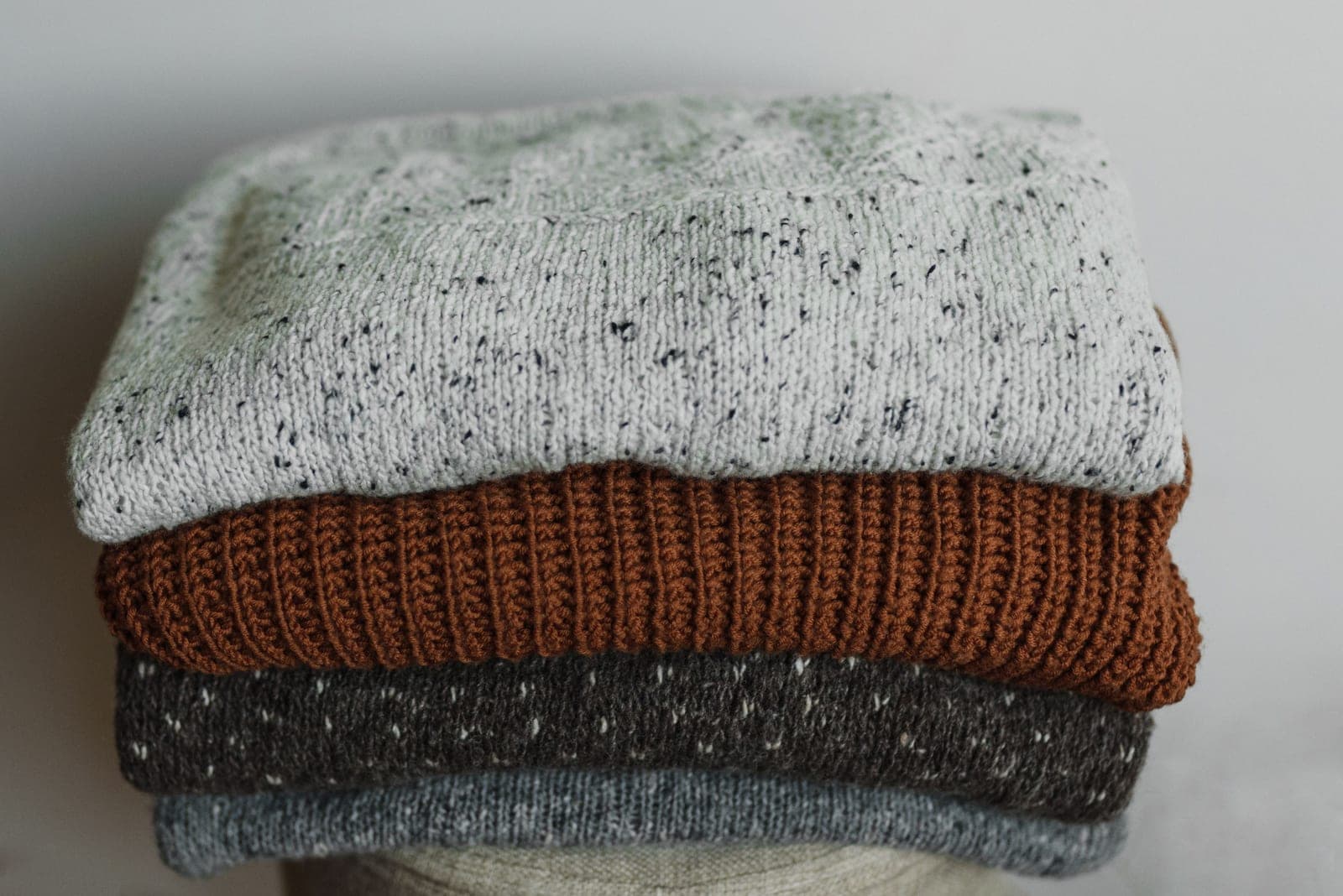
The first test is whether the system understands inventory at the roll and lot level, not just the SKU level. In textiles, 'Blue Cotton 180 GSM' is not one item — it is hundreds of rolls, each with its own shade, width, GSM, and grade. If the ERP collapses that into a single stock number, your shade-matching and traceability die on day one. Real textile ERP software tracks dye lots and rolls as first-class objects.
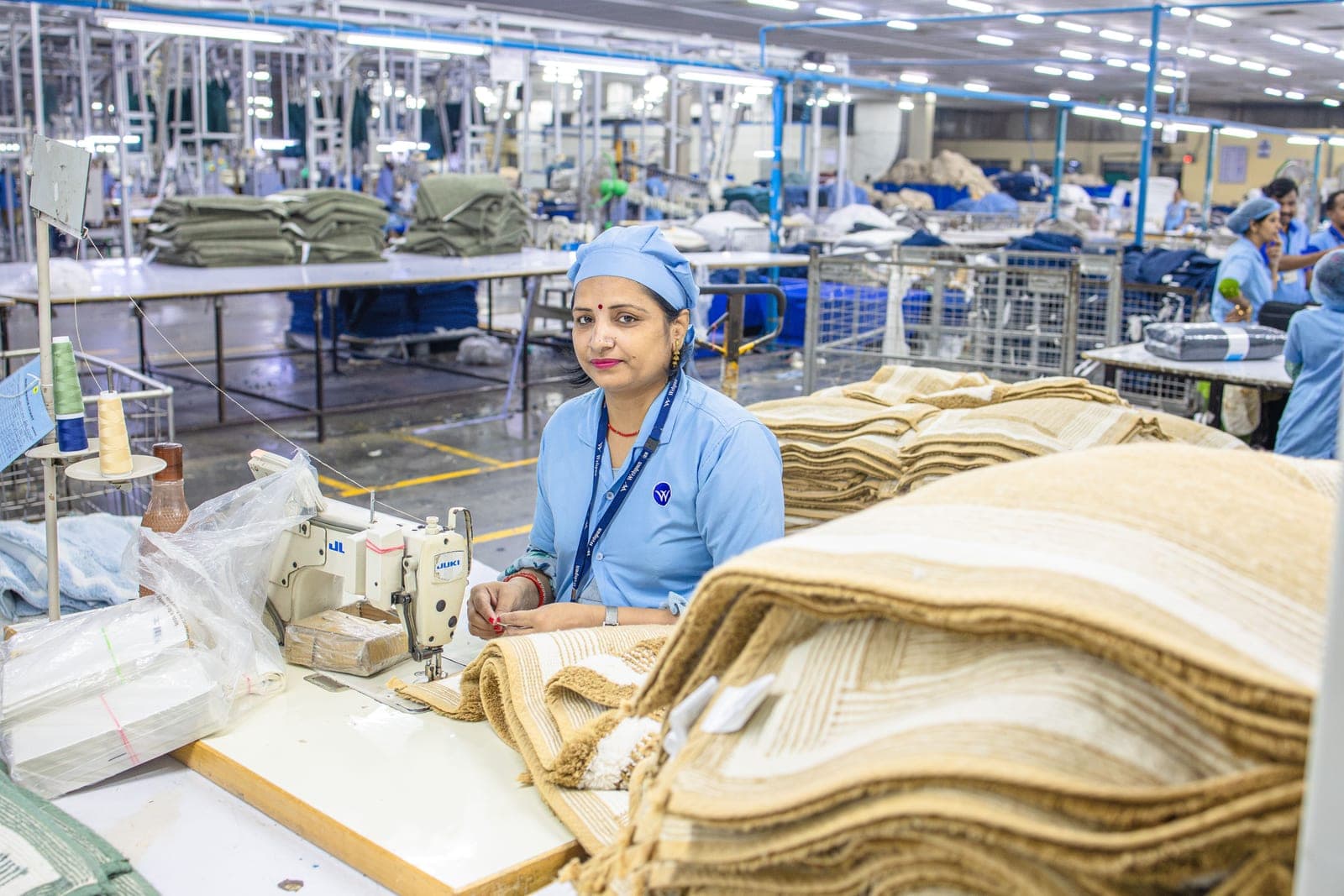
The second test is production. Textile production is neither pure discrete nor pure process manufacturing; it is a multi-stage flow — spinning, weaving or knitting, dyeing, finishing — where each stage has its own constraints. Loom changeovers, dye sequencing from light to dark, and machine-specific construction limits are not edge cases; they are the daily reality of scheduling. A textile production scheduler should plan against these, not treat every machine as interchangeable capacity.
The third test is quality. Fabric quality runs on the 4-point system, where inspectors assign penalty points by defect length and severity to grade a roll. If the quality module cannot do 4-point inspection without a custom build, the vendor is telling you the platform was not designed for fabric. The same goes for shade grouping, GSM tolerance, and width checks.
If a system passes those three tests natively — roll/lot inventory, multi-stage textile scheduling, and 4-point quality — you are looking at genuine textile software. If any of them is 'a customisation we can do for you', you are looking at a generic ERP and a future of technical debt.
How to run the demo so it tells you the truth
Vendors demo their happy path. Your job is to break it gently with your own data. Bring one real order with a shade-sensitive fabric, one production plan that involves a machine changeover, and one quality scenario with a graded roll. Ask the vendor to take that order from raw material through production to a quality-graded, lot-traceable finished stock — live. Watch whether the dye lot carries through to the finished goods, whether the schedule respects the changeover, and whether the 4-point grade attaches to the roll.
Then ask the boring but decisive questions: How long is a typical implementation for a mill of our size — in weeks? How many of your live customers make our kind of product? What happens to our customisations when you release an upgrade? Time-to-value measured in weeks and a reference customer in your sub-sector are worth more than any feature checklist.
Budgeting honestly
The license fee is the smallest part of ERP cost. The real spend in generic systems is customisation (often 40-60% on top of license to add textile features), the shadow staff hired to bridge gaps the software cannot close, and the business losses from shade errors, late shipments, and excess safety stock. When you compare quotes, normalise them to a five-year total that includes customisation and the cost of the workarounds you will still need. A purpose-built textile ERP that needs no customisation frequently wins that five-year comparison even when its sticker price is similar.
Vastra ERP is built specifically for this evaluation: roll and dye-lot inventory, multi-stage production scheduling for spinning, weaving, dyeing and finishing, native 4-point quality, and textile costing — configured in weeks rather than custom-built over quarters. If you are shortlisting textile ERP software, the most honest comparison is to run your own hardest order through each system; we are happy to do that with you.
Frequently Asked Questions
What is textile ERP software?
Textile ERP software is an enterprise resource planning system built for the textile industry. Beyond standard finance and inventory, it tracks fabric at the roll and dye-lot level, schedules multi-stage production (spinning, weaving, dyeing, finishing), and supports textile quality methods like 4-point inspection — capabilities generic ERPs require costly customisation to approximate.
How is textile ERP different from generic ERP for the textile industry?
Generic ERP treats fabric as a single SKU and machines as interchangeable capacity. Textile ERP models rolls and dye lots individually, respects loom changeovers and dye sequencing in scheduling, and grades quality with the 4-point system natively — so the shop floor uses the system instead of routing around it.
How long does textile ERP implementation take?
A platform genuinely built for textiles should configure to a mill's workflow in weeks. Implementations that stretch into many months usually signal heavy customisation, which is a sign the underlying system was not designed for textile manufacturing.
Vastra ERP Editorial Team
Textile Technology Experts
Our editorial team brings decades of combined experience in textile manufacturing, supply chain management, and enterprise technology. We publish in-depth guides, industry analysis, and practical insights for textile professionals worldwide.