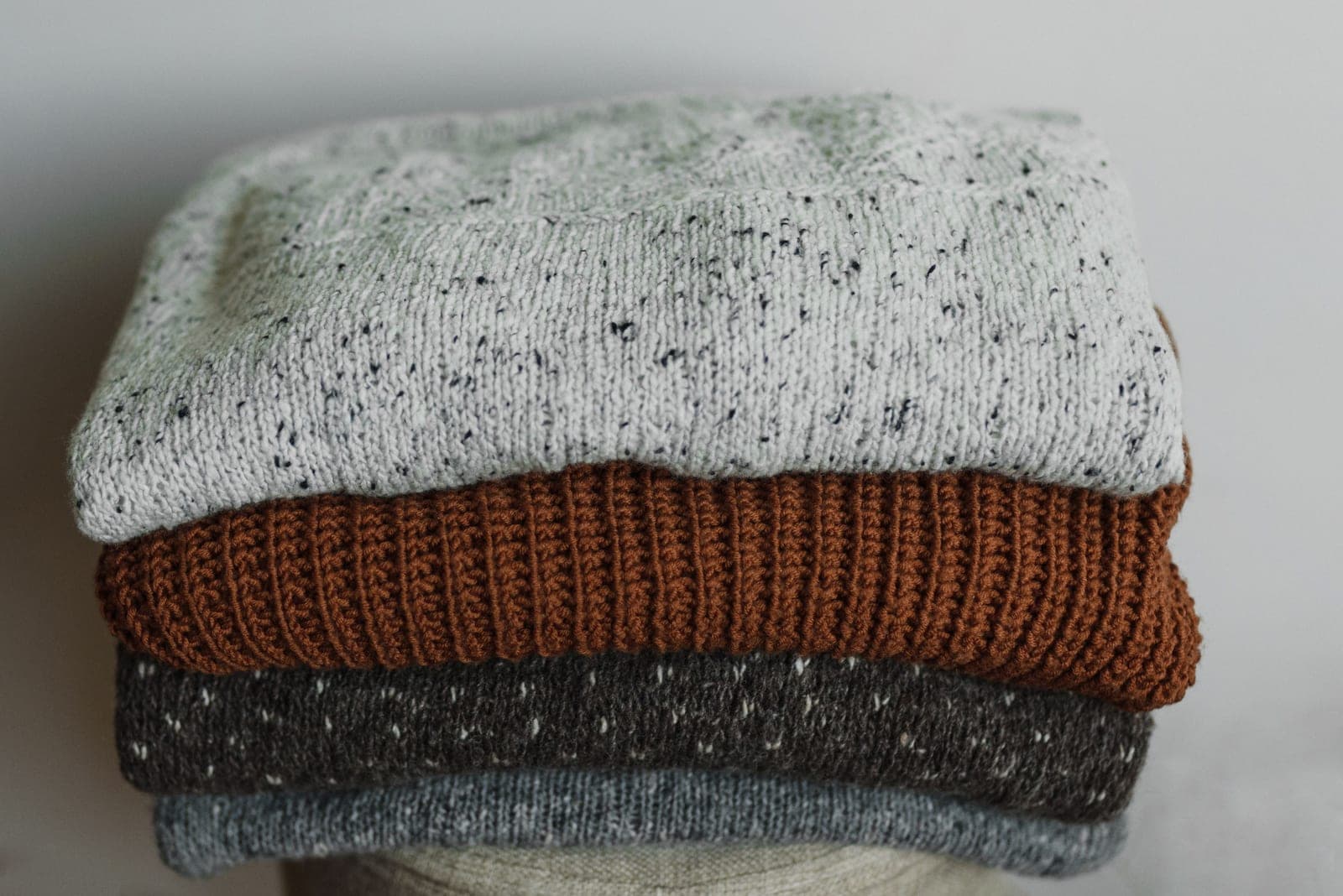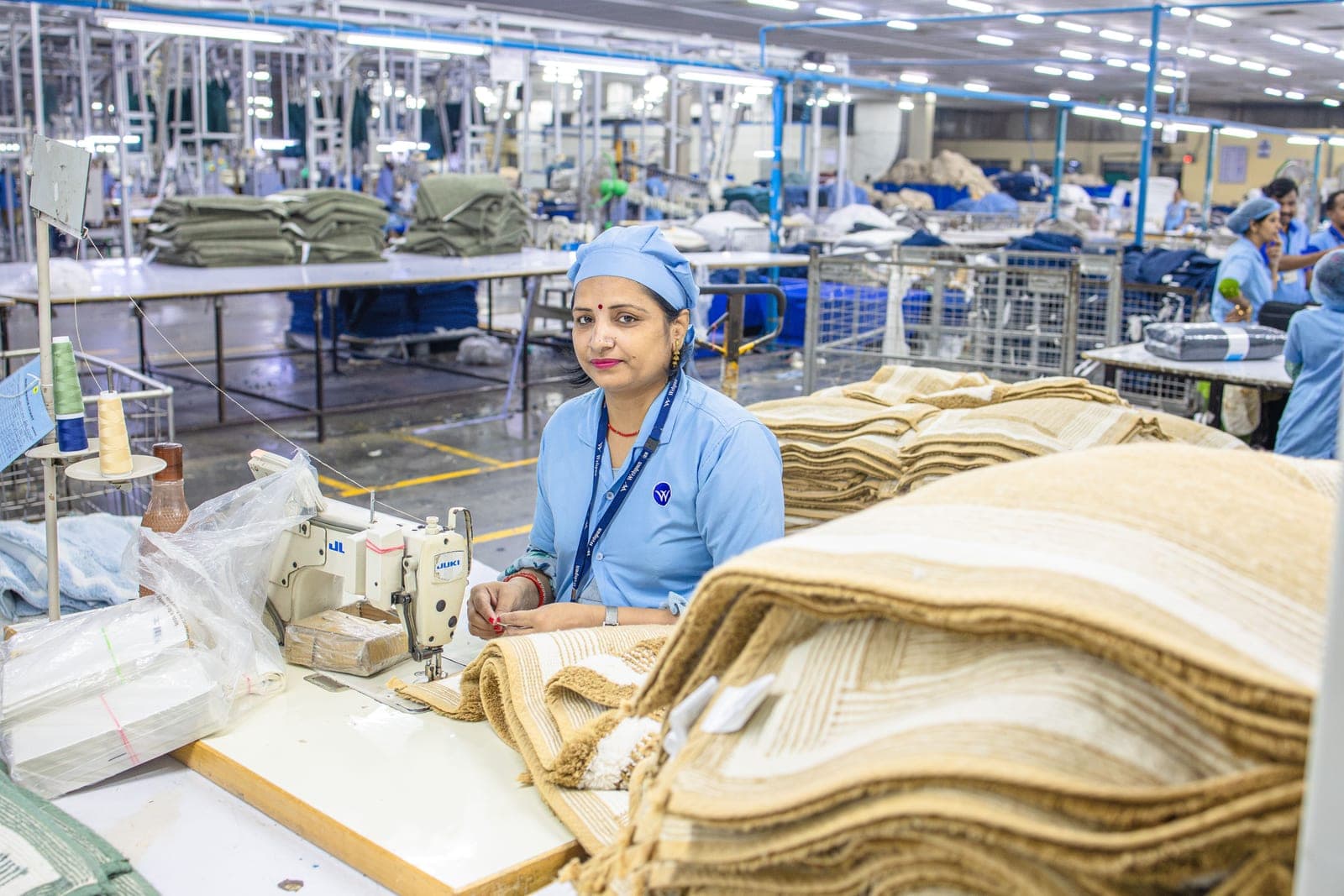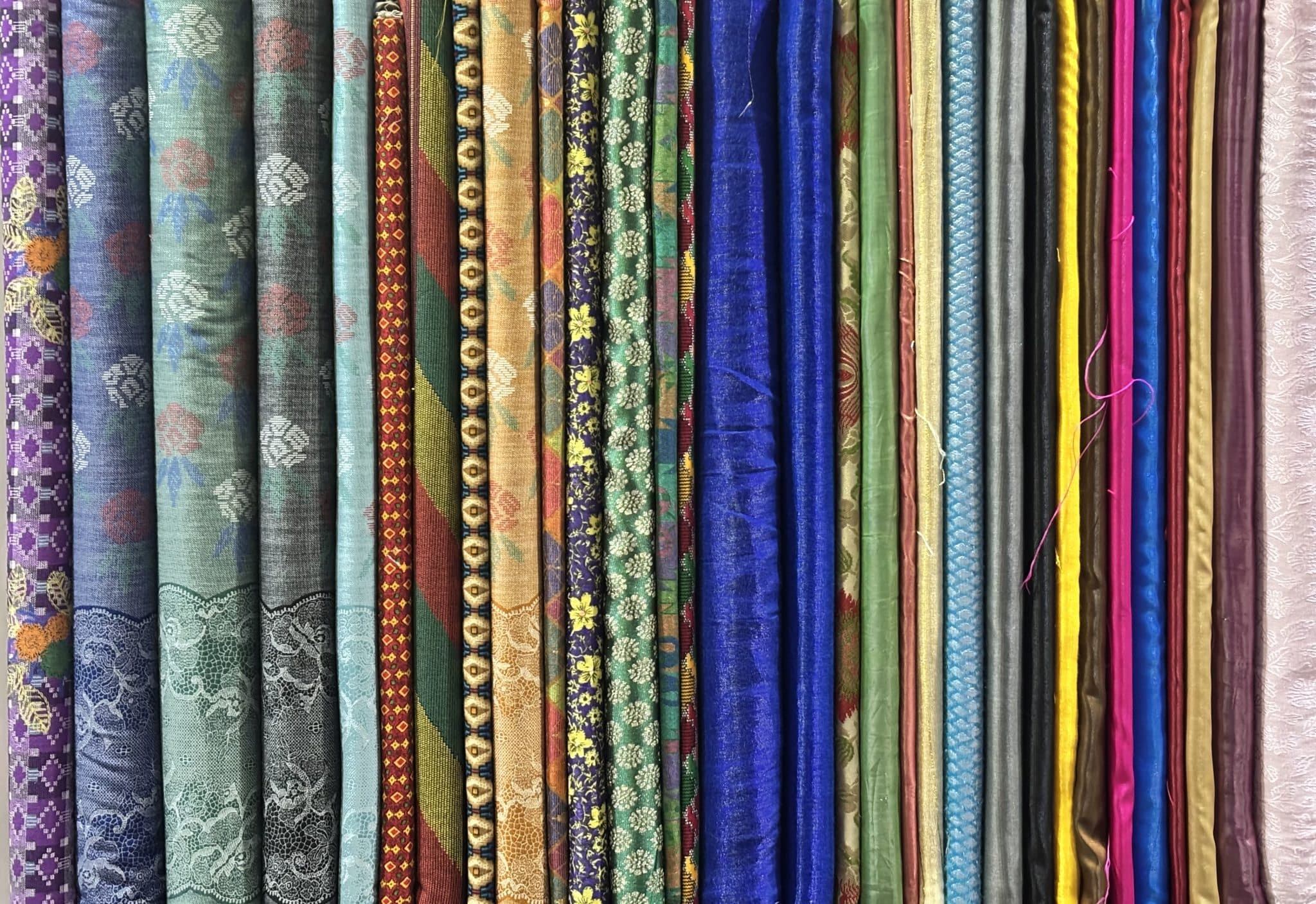
Walk the back of almost any textile warehouse and you will find it: rolls and trims that have not moved in months, sometimes years. Odd lots, cancelled-order fabric, over-purchased basics, shades that no longer sell. On the balance sheet it is still 'inventory', counted at full value. In reality it is dead stock — cash that has been converted into material the business cannot easily sell, occupying space and quietly draining working capital. Most textile businesses dramatically underestimate how much of it they are carrying.
How dead stock builds up
Dead stock is rarely one bad decision. It accumulates through small, reasonable choices. A buyer orders a little extra fabric to be safe and the order quantity changes. A customer cancels and the committed material has nowhere to go. A shade is reordered before the old lot is cleared. A minimum order quantity forces a purchase larger than the need. Each is defensible in the moment, and none is visible as a pattern unless something is tracking age and movement across the whole inventory. Without that, dead stock hides inside the total stock figure, looking like healthy inventory.
Why it hurts more than the balance sheet shows
The obvious cost of dead stock is the locked cash — money you spent that you cannot use for the next order, the next opportunity, or simply for breathing room when a payment is late. But there are quieter costs too. Dead stock takes warehouse space that working stock needs. It ages: fabric yellows, trims go out of fashion, and the eventual sale, if it happens, is at a steep discount. And it distorts decisions, because a stock report that counts dead stock at full value makes the business look healthier and more liquid than it really is.
The textile-specific twist
Textiles make dead stock especially easy to create and especially hard to clear. Fabric is shade- and lot-specific, so 'we have 2,000 metres of navy' is misleading if it is spread across five lots that do not match — you cannot combine them for an order that needs shade consistency. Trims and accessories are style-specific and become obsolete when a style is dropped. And because fabric is bulky, the space cost is real. A generic inventory view that ignores lot, shade, and age will systematically understate the dead-stock problem.
What good inventory visibility prevents
You cannot manage what you cannot see. The single most effective defence against dead stock is inventory that is tracked by age and movement, at the lot and shade level, so slow movers surface early — while they can still be used in a planned order or sold before they age further. Reorder logic that looks at real consumption prevents the over-purchasing that creates dead stock in the first place. And tying material to specific orders means cancelled-order fabric is flagged for redeployment instead of disappearing into the general pile.
This is squarely where a textile ERP earns its place. Vastra ERP tracks inventory at the roll, lot, and shade level with age and movement analysis, consumption-based reordering, and order-linked material allocation — so dead stock is surfaced early instead of discovered at stock-take. If you suspect a meaningful share of your inventory value is sitting still, the first step is simply seeing it clearly; we can help you put a number on it.
Frequently Asked Questions
What is dead stock in a textile business?
Dead stock is fabric, trims, or finished goods that have stopped moving — odd lots, cancelled-order material, over-purchased basics, or shades that no longer sell. It is still counted as inventory at full value but represents cash locked in material the business cannot easily sell, plus the space and ageing costs that come with it.
How does software reduce dead stock?
By tracking inventory at the lot and shade level with age and movement analysis so slow movers surface early, using consumption-based reorder logic to prevent over-purchasing, and linking material to specific orders so cancelled-order stock is flagged for redeployment instead of forgotten.
Vastra ERP Editorial Team
Textile Technology Experts
Our editorial team brings decades of combined experience in textile manufacturing, supply chain management, and enterprise technology. We publish in-depth guides, industry analysis, and practical insights for textile professionals worldwide.