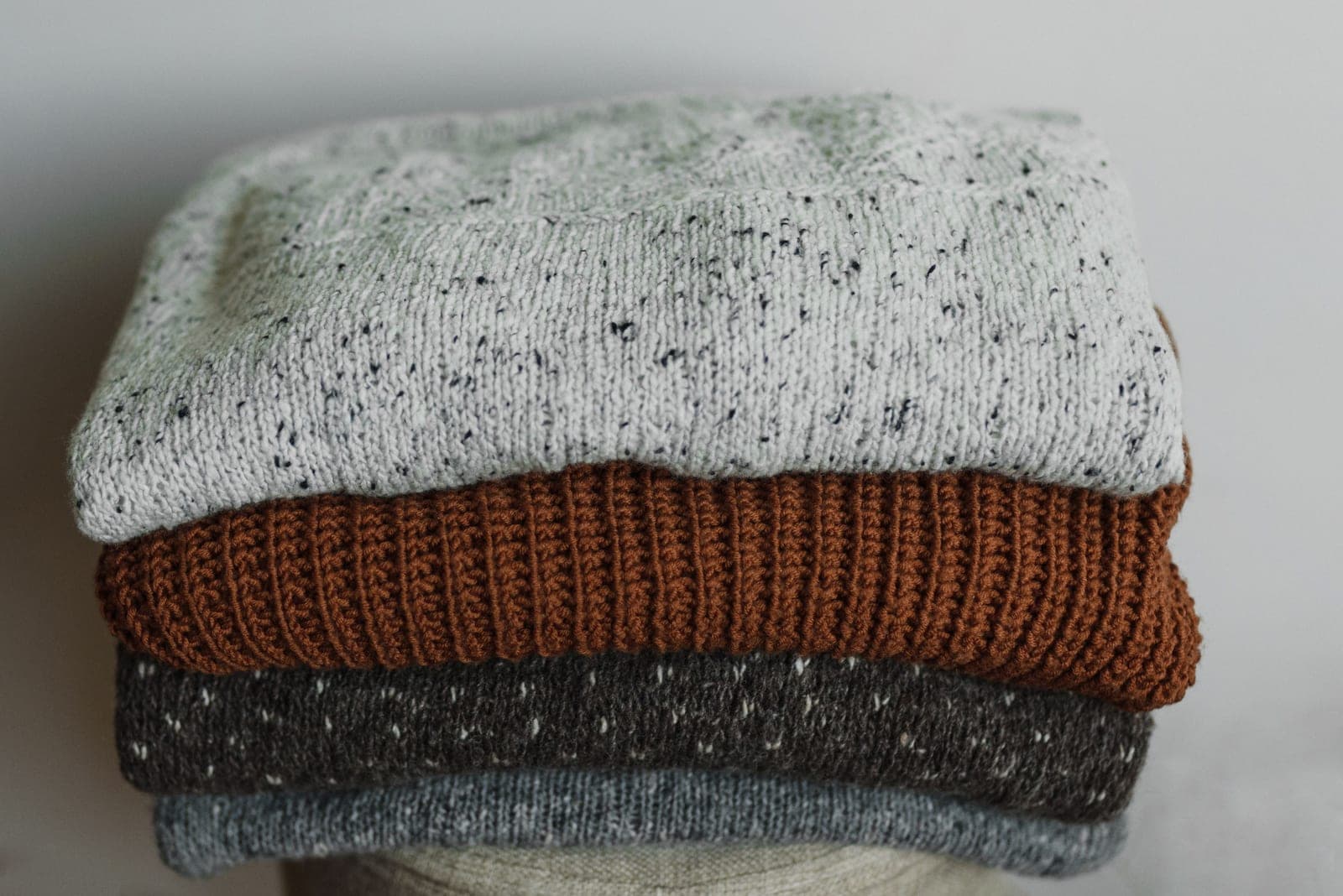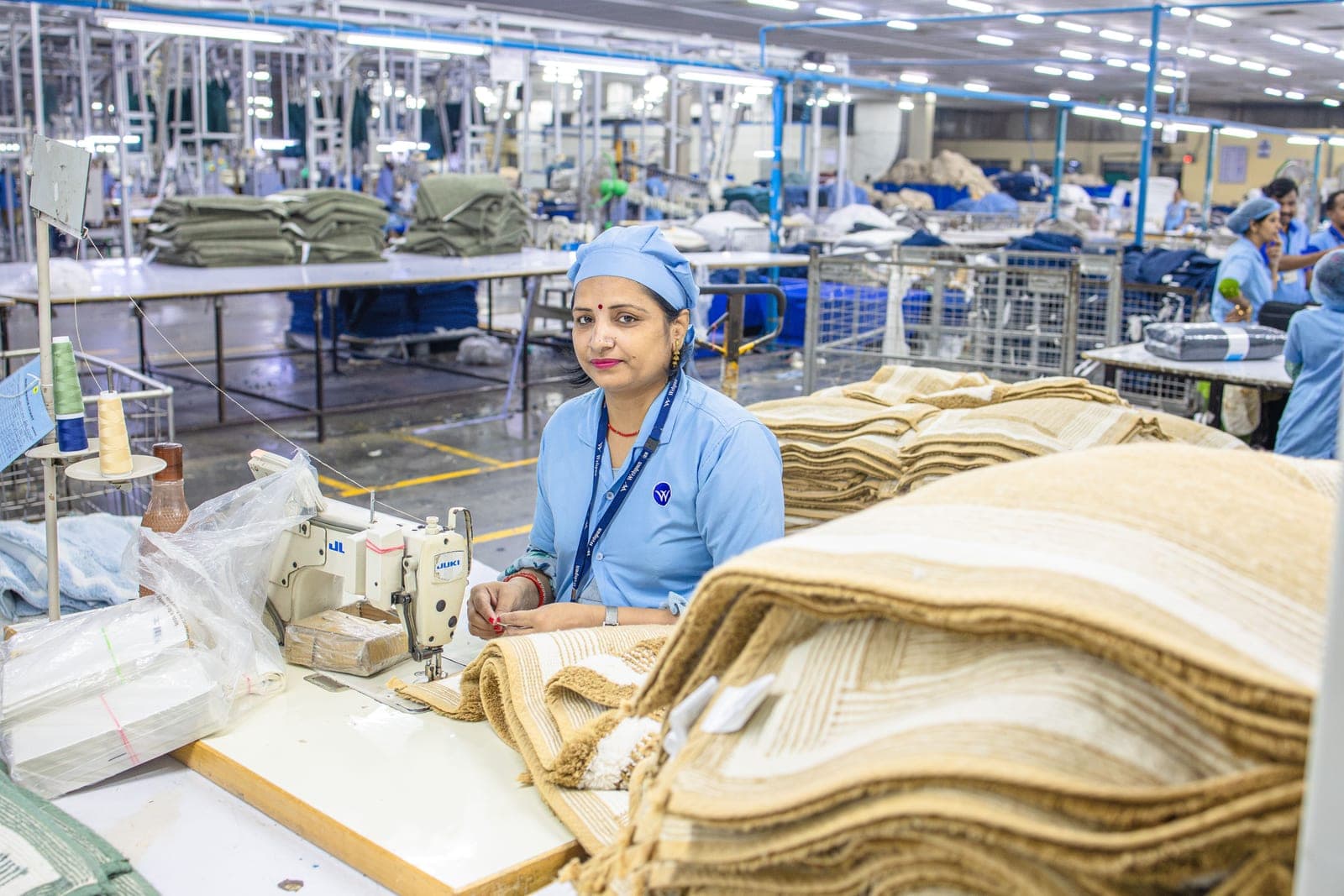
There's a warehouse in Bhiwandi, just outside Mumbai, that stores ₹14 crore worth of fabric at any given time. When I visited last quarter, the warehouse manager — a meticulous man named Sunil — knew exactly how many rolls were in the warehouse. He did not know, however, how many of those rolls were still saleable.
That's because 'saleable' in textiles depends on context. A roll of navy blue cotton that's been in storage for 8 months might have shifted shade due to aging. A roll of polyester satin that was graded as 'A quality' during production might have developed fold marks from storage pressure. A roll of organic cotton with GOTS certification might have its certification expiring next month.
Generic inventory management thinks in units: you have 14,000 rolls. Textile inventory management thinks in attributes: you have 14,000 rolls, each with a unique combination of fabric type, construction, shade code, dye lot, quality grade, storage age, certification status, and current physical condition.
This distinction is why most textile businesses are terrible at inventory management. Their systems — whether ERP, spreadsheets, or warehouse management software — were designed for products where one unit is identical to another. Textiles break this assumption fundamentally.
The Five Dimensions of Textile Inventory
Every textile inventory decision involves at least five dimensions that don't exist in other industries. First, shade — a roll of 'Royal Blue' is not interchangeable with another roll of 'Royal Blue' if they're from different dye lots. Two rolls that are both called Royal Blue might have a Delta E of 1.5 between them — visible to any buyer.
Second, quality grade. Fabric quality exists on a spectrum. A roll graded as 'A' (less than 40 penalty points per 100 meters) serves a different market than a roll graded as 'B' (40-60 points). They might look identical to an untrained eye, but mixing them in the same order guarantees a rejection.
Third, aging. Unlike steel or plastic, fabric quality changes over time. Cotton develops yellowing. Synthetic blends can develop static issues. Prints can fade. The concept of 'shelf life' in textiles is real but rarely tracked. I've seen warehouses ship 14-month-old fabric to premium buyers — fabric that had subtly but measurably degraded — because nobody flagged it.
Fourth, certification expiry. OEKO-TEX, GOTS, GRS, BCI — these certifications attach to specific production batches, not to the company. Each has an expiry date. Shipping certified fabric after the certificate expires is a compliance violation that can result in customs holds, financial penalties, and loss of certification.
Fifth, minimum order fulfillment. Textile orders specify not just total quantity but also minimum roll length. A buyer ordering 5,000 meters might specify a minimum roll length of 40 meters. Your warehouse might hold 5,200 meters of the right fabric, but if it's distributed across 30 short rolls averaging 17 meters each, you can't fulfill the order.
Best Practice 1: Track at Roll Level, Not SKU Level
This is the single most impactful change a textile business can make to its inventory management. Stop thinking in SKUs. Start thinking in rolls. Every roll should have a unique identifier — typically a barcode — that links to its full attribute set: dye lot, shade coordinates, quality grade, production date, dimensions, and certification status.
When you track at roll level, you can answer questions that SKU-level tracking can't. Not just 'Do we have 5,000 meters of Royal Blue cotton?' but 'Do we have 5,000 meters of Royal Blue cotton from matching dye lots, all graded A quality, in rolls of at least 40 meters each, produced within the last 6 months, with current OEKO-TEX certification?'
That's the question your buyer is actually asking. A system that can answer it eliminates the guesswork, the phone calls between warehouse and sales, and the nasty surprises that happen after shipping.
Best Practice 2: Implement Aging-Based Reorder and Markdown
Fabric doesn't improve with age. Every month in storage increases the risk of shade shift, physical degradation, and certification expiry. Yet most textile businesses manage inventory on a first-in-first-out (FIFO) basis at best, and many don't even do that — they ship whatever's closest to the loading dock.
Implement automated aging alerts. At 3 months: flag for priority sale. At 6 months: recommend markdown pricing. At 9 months: escalate to management review. At 12 months: write down or liquidate. These thresholds should be configurable by fabric type — cotton ages differently than polyester, and coated fabrics age differently than raw greige.
The system should also calculate the real carrying cost of aged inventory — not just warehouse rent, but the depreciation in value as fabric ages. When a sales manager sees that a ₹200/meter fabric has an effective value of ₹140/meter after 8 months of storage, they're motivated to move it.
Best Practice 3: AI-Powered Demand-Based Reordering
Traditional reorder points are static: when stock drops below X meters, order Y meters. This worked when demand was predictable. In today's market, demand fluctuates seasonally, regionally, and based on fashion trends that shift quarterly.
AI-powered reordering analyzes historical consumption patterns, current order pipeline, seasonal trends, and even external signals like commodity prices and fashion forecasts. It adjusts reorder quantities and timing dynamically. During peak wedding season in India, the system increases reorder quantities for heavy brocades and silks. During European summer, it stocks up on lightweight cottons and linens.
The result is 30-40% reduction in inventory carrying costs while simultaneously reducing stockout frequency by 40-50%. You hold less total inventory but have the right inventory at the right time.
Best Practice 4: Multi-Warehouse Visibility and Transfer Optimization
Textile businesses with multiple warehouses face a paradoxical situation: one warehouse is out of a fabric that another warehouse has in excess. Without real-time cross-warehouse visibility, the result is either a lost sale or an unnecessary purchase from the supplier.
Implement real-time inventory dashboards that show stock levels across all locations. More importantly, implement automated transfer suggestions. When a sales order can't be fulfilled from the local warehouse but matching stock exists in another location, the system should calculate the transfer cost versus the purchase cost and recommend the cheaper option.
I've seen textile distributors recover ₹2-3 crore in annual revenue simply by fulfilling orders from stock that already existed in a different warehouse — stock they didn't know they had because their systems couldn't see across locations.
The Financial Impact
A mid-size textile business holding ₹10 crore in inventory can typically reduce stock by 20-25% through proper management — freeing up ₹2-2.5 crore in working capital — while simultaneously reducing stockouts by 40% and shade-related rejections by 90%.
That's not a theoretical calculation. It's the average across 300+ textile businesses that have implemented purpose-built inventory management through Vastra ERP. The system pays for itself within the first quarter, and the working capital freed up funds growth that spreadsheet-managed inventory could never support.
Sunil's warehouse in Bhiwandi now knows not just how many rolls it holds, but exactly which of those rolls are saleable, to which customers, against which quality standards, with which certification status, and at what shade tolerance. That's the difference between inventory management and textile inventory management.
Frequently Asked Questions
How is textile inventory different from regular inventory?
Textile inventory has five unique dimensions: shade (dye lot variation), quality grade (4-point system), aging (fabric degrades over time), certification expiry (OEKO-TEX, GOTS), and minimum roll length requirements. Generic inventory systems that track only SKU and quantity can't handle these attributes.
What is roll-level tracking and why does it matter?
Roll-level tracking assigns a unique barcode to every fabric roll, linking it to shade coordinates, quality grade, dye lot, dimensions, and certification. This allows answering specific customer requirements like 'matching shade, A-grade, minimum 40m rolls, current certification' — questions SKU-level tracking can't answer.
How much working capital can better inventory management free up?
Typically 20-25% of total inventory value. For a business holding ₹10 crore in stock, that's ₹2-2.5 crore freed up through reduced excess stock, better aging management, and cross-warehouse optimization — while simultaneously reducing stockouts by 40%.
Vastra ERP Editorial Team
Textile Technology Experts
Our editorial team brings decades of combined experience in textile manufacturing, supply chain management, and enterprise technology. We publish in-depth guides, industry analysis, and practical insights for textile professionals worldwide.