In textile development there is a small, low-tech step that quietly controls the timeline of a whole order: the lab dip. Before a dye house commits to colouring thousands of metres in bulk, it must first prove it can hit the buyer's target colour — and it does that by dyeing a small sample and submitting it for approval. That sample is the lab dip, and the back-and-forth of getting it approved is one of the most common causes of delay in the entire supply chain. This guide explains what a lab dip is, why it matters so much, and how colour management is changing it.
What a lab dip is
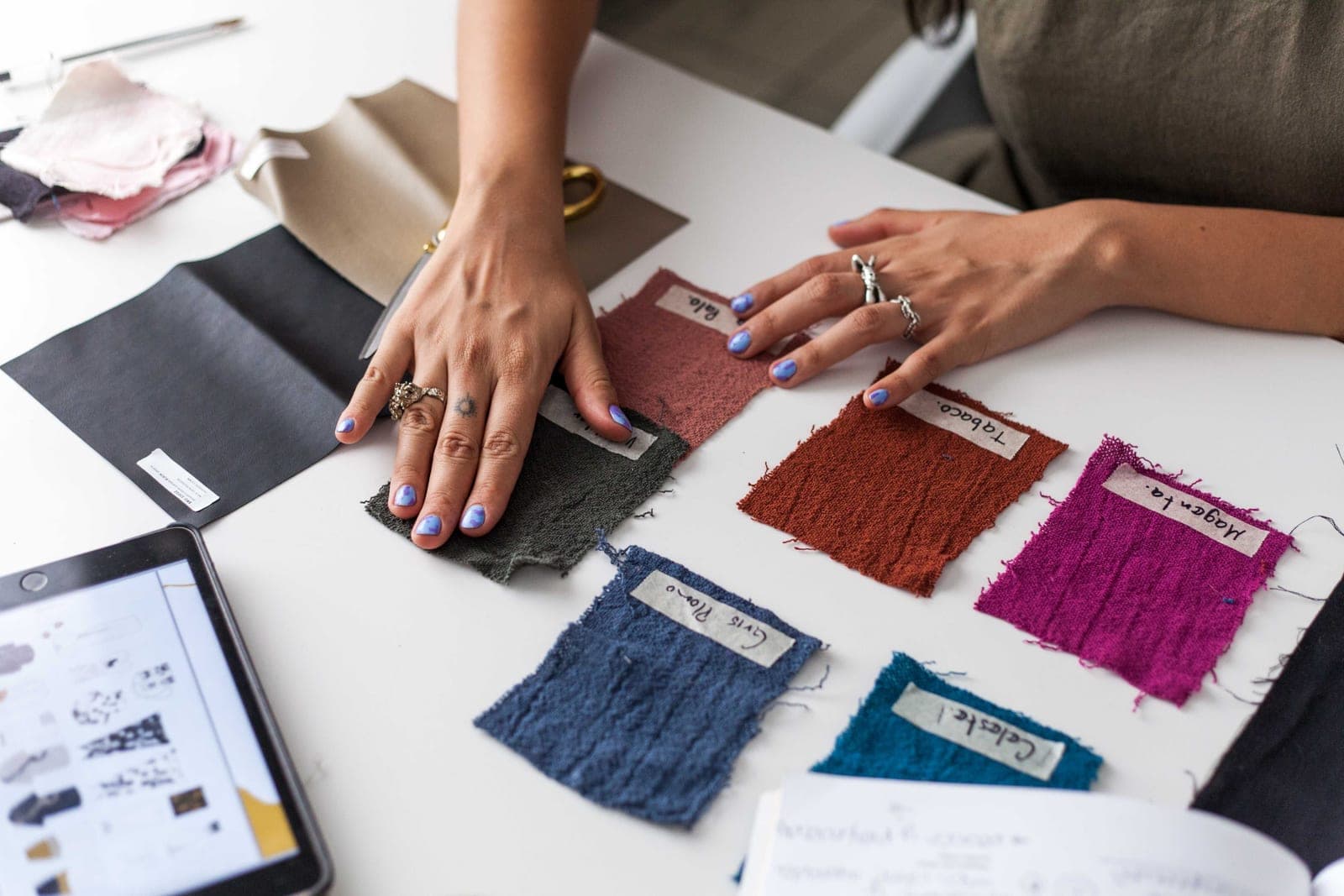
A lab dip is a small swatch of fabric dyed in the laboratory to match a target colour — the buyer's standard, whether that is a physical shade card reference or a colour specification. The dye house's lab creates a recipe it believes will hit the target, dyes a small sample, and submits it to the buyer for approval. The buyer compares the lab dip to their standard and either approves it or requests a correction ('closer to the standard', 'less red'). Only once a lab dip is approved does the recipe get scaled up to bulk dyeing.
Why the lab dip matters so much
The lab dip is the gate between development and production, and it carries real weight. It proves the colour is achievable before expensive bulk commitment. It sets the approved standard that bulk will be judged against. And critically, it protects both sides: the buyer confirms the colour before committing, and the dye house has a documented approval to point to if a later dispute arises. Getting the lab dip right is what allows bulk dyeing to proceed with confidence — and getting it wrong, or slow, holds up everything behind it.
Why lab dips cause delays
The lab-dip process is a frequent bottleneck for structural reasons. It is iterative — first submissions are often rejected, and each round of correction and resubmission takes days, especially with physical samples couriered between dye house and buyer. Colour judgement is subjective and light-dependent, so a lab dip approved under one light can be questioned under another. And the whole loop is often tracked informally, so nobody quite knows how many lab dips are pending or how long they have waited. Multiply this across many colours and many orders and the lab-dip stage becomes a significant, poorly visible source of lead-time.
How digital colour and AI speed it up
This is where digital colour management makes a real difference. When the target standard is stored as measured colour values rather than a physical swatch, a lab dip can be measured on a spectrophotometer and its difference from the standard quantified numerically — turning 'is this close enough?' from an argument into a number, which cuts rejection rounds. AI colour tools can even suggest recipe corrections to close the gap faster. And tracking lab dips inside the ERP with the quality module means their status and ageing are visible, so the bottleneck can be managed. As always honestly: serious colour approval still uses proper measurement, and a phone photo is not a spectrophotometer — but digital, measured colour genuinely shortens the loop.
The lab dip is a small swatch with outsized power over an order's timeline — the colour gate that bulk dyeing waits behind. Speeding it up is less about dyeing faster and more about making colour objective and the process visible, so approvals take fewer rounds and pending lab dips stop hiding. If lab-dip delays are quietly stretching your lead times, digital colour and proper tracking are the levers, and you can see how lab dips and shade standards are managed with your own colours.
Frequently Asked Questions
What is a lab dip in textiles?
A lab dip is a small swatch of fabric dyed in the laboratory to match a target colour — the buyer's standard, whether a physical shade card or a colour specification. The dye house creates a recipe, dyes a sample and submits it for the buyer to approve or request a correction. Only once the lab dip is approved is the recipe scaled up to bulk dyeing.
Why do lab dips cause delays?
Because the process is iterative — first submissions are often rejected and each correction-and-resubmission round takes days, especially with physical samples couriered back and forth; colour judgement is subjective and light-dependent, so a lab dip approved under one light can be questioned under another; and the loop is often tracked informally, so pending lab dips and their ageing are invisible.
How can lab dip approval be sped up?
By making colour objective and the process visible: storing the target standard as measured colour values so a lab dip can be measured on a spectrophotometer and its difference quantified numerically (cutting rejection rounds), using AI colour tools to suggest recipe corrections, and tracking lab dips in the ERP so their status and ageing are managed. Serious approval still uses proper measurement, not phone photos.
Vastra ERP Editorial Team
Textile Technology Experts
Our editorial team brings decades of combined experience in textile manufacturing, supply chain management, and enterprise technology. We publish in-depth guides, industry analysis, and practical insights for textile professionals worldwide.