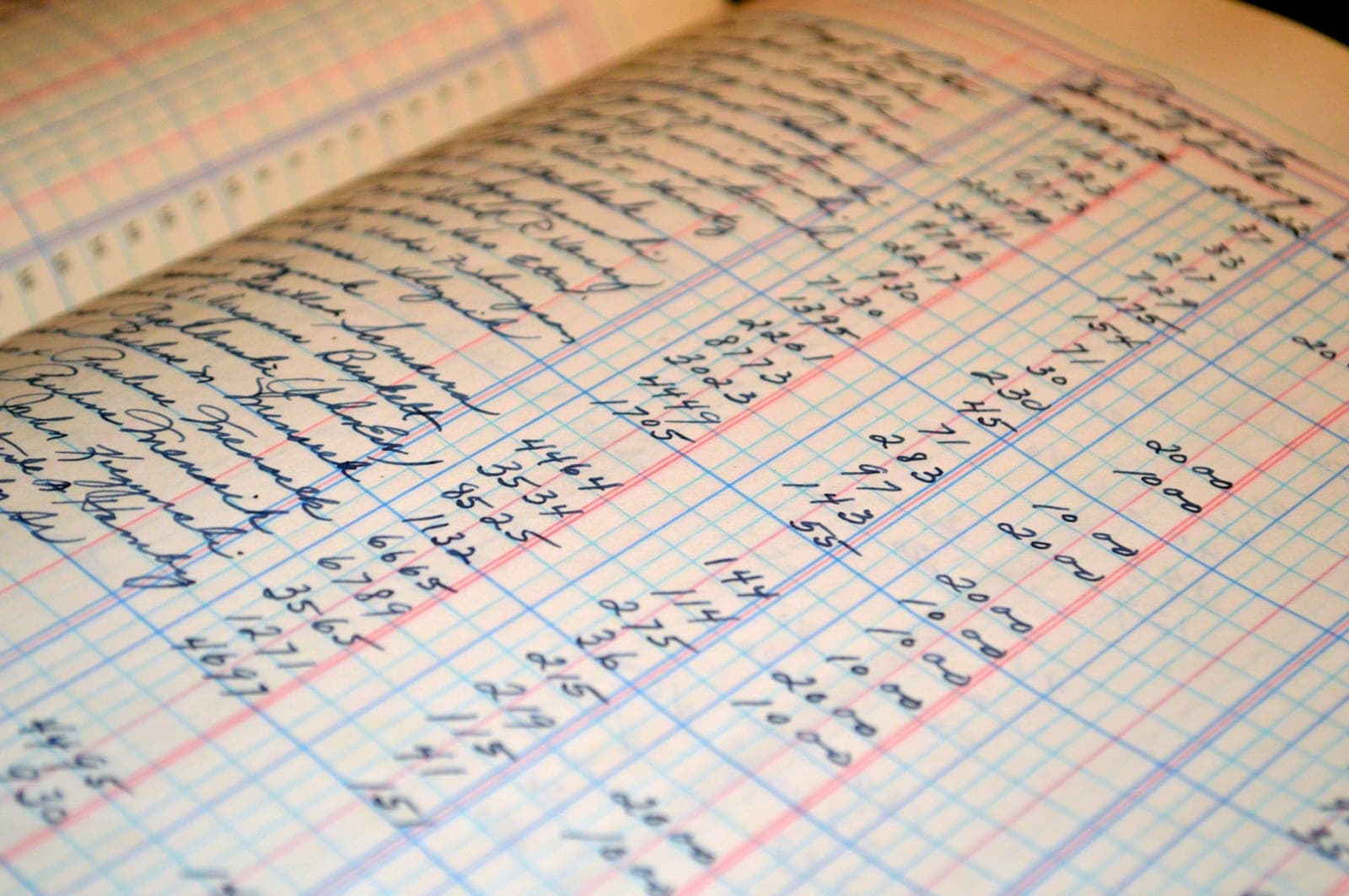
For all the talk of digital transformation, a great deal of the Indian textile trade still runs on handwriting. The delivery challan is written by hand. The order is noted in a book. The karigar's pieces are tallied in a register. The day's cash is recorded in a diary. These handwritten records are the real operating system of countless textile MSMEs — and they are also invisible to every computer in the building, which is why the same information gets written once by hand and then, if it is lucky, typed again into a system later. Handwriting recognition is the technology that finally connects the two.
Why handwriting persists in textiles
It is worth being honest about why paper endures, because it explains why the technology matters. Handwriting is fast, needs no device, works when the power is out, and everyone on the floor already knows how to do it. A supervisor noting production on a slip, a driver getting a challan signed, a shopkeeper writing an order — these are frictionless in a way that no app has fully replaced. The problem is not that people write by hand; it is that the writing then sits in a book, disconnected from stock, accounts and everything else, until someone re-enters it. Handwriting recognition keeps the frictionless input and removes the disconnected part.
What handwriting recognition does
AI handwriting recognition — technically a form of intelligent character recognition — reads handwritten text from a photo or scan and converts it into digital data. Photograph a handwritten challan and it can extract the party name, the items, the quantities and the date; photograph a page of a piece-rate register and it can pull the worker names and their tallies. Modern systems, trained on huge amounts of real handwriting, handle the natural variation between people's writing far better than the rigid character recognition of a decade ago. It is the same family of technology as document AI, applied to the harder problem of handwriting.
The textile records worth digitising
The highest-value targets are the documents that today create the most double-entry. **Delivery and job-work challans** — written at dispatch, needed in stock and accounts. **Order books** — where a shop or agent's orders live before anyone types them. **Karigar and piece-rate registers** — the tally that becomes the wage sheet. **Cash and khata diaries** — the daily record of who paid and who owes. Each of these is written once and needed in several systems; reading them automatically removes the re-entry and the errors it introduces.
The honest limits — and how to work with them
It would be dishonest to claim handwriting recognition is flawless. Handwriting varies enormously, some of it is genuinely hard for a human to read, and a smudged carbon-copy challan photographed in poor light is a real challenge. So the right way to use it is not blind automation but assisted capture: the AI reads what it can, fills in the fields, and flags the ones it is unsure about — a doubtful figure, an ambiguous name — for a person to confirm in seconds rather than type from scratch. That still removes the great majority of the manual effort while keeping a human check exactly where accuracy matters, such as on a quantity or an amount. Anyone promising perfect, unchecked handwriting reading is overselling; assisted capture is the honest, and still transformative, reality.
Where it fits in the business
Handwriting recognition delivers most when what it reads flows straight into the operating system rather than another spreadsheet. A challan read at goods-inward updates stock; a register read at week-end feeds the tailoring or piece-rate wage calculation; an order book read at the counter becomes sales orders in the textile ERP; a khata diary read into accounts updates outstanding. The point is not to force everyone off paper overnight — it is to let the floor keep writing the way it always has, while the business finally gets the data those writings contain, without a second person retyping it.
For a textile MSME where the real records live in challan books and registers, this is the bridge between how the business actually runs and what a modern system needs. You do not have to abandon the register; you have to connect it. If handwritten documents are re-keyed daily in your business, that is a direct cost handwriting recognition removes — and you can see it read your own challans and books.
Frequently Asked Questions
What is handwriting recognition?
Handwriting recognition — technically intelligent character recognition — is AI that reads handwritten text from a photo or scan and converts it into digital data. Photograph a handwritten challan and it can extract the party, items, quantities and date. Modern systems trained on large amounts of real handwriting handle natural variation between people far better than older character recognition.
Can AI reliably read handwritten challans and registers?
It reads them well but not perfectly — handwriting varies, and a smudged carbon-copy photographed in poor light is genuinely hard. The right approach is assisted capture: the AI reads what it can and flags uncertain fields (a doubtful figure or name) for a person to confirm in seconds. This removes most of the manual effort while keeping a human check where accuracy matters.
Why digitise handwritten textile records?
Because in many textile MSMEs the real operating records — challans, order books, karigar registers, khata diaries — are handwritten and disconnected from stock and accounts, so the same information is written once and retyped later. Handwriting recognition keeps the fast, frictionless handwriting but removes the re-entry, feeding the data straight into stock, wages, sales or accounts.
Vastra ERP Editorial Team
Textile Technology Experts
Our editorial team brings decades of combined experience in textile manufacturing, supply chain management, and enterprise technology. We publish in-depth guides, industry analysis, and practical insights for textile professionals worldwide.