Tailoring software that runs the whole shop
Orders, customer measurements, karigar jobs, delivery reminders and GST billing — on one system built for tailor shops, boutiques and stitching units.
What is tailoring software?
Tailoring software manages the way a tailor shop actually runs, not just the invoice at the end. A tailor's day is orders taken, measurements remembered, work handed to karigars, dates promised, trials and deliveries kept — and money collected in advances and balances along the way. Almost none of that fits in a billing app, which is why most shops still run on a measurement diary, an order book, a wage register and a memory that is doing far too much work.
Purpose-built tailoring management software puts those books on one screen. A customer's measurements are saved once and reused on every future order. Each order carries its delivery date, its advance, and the worker it is assigned to. Reminders go out on their own. The bill is the last step, not the only one — and the owner can finally see the shop's pending work and pending money without asking three people.
That is the difference between software that prints a bill and software that runs a tailor shop.
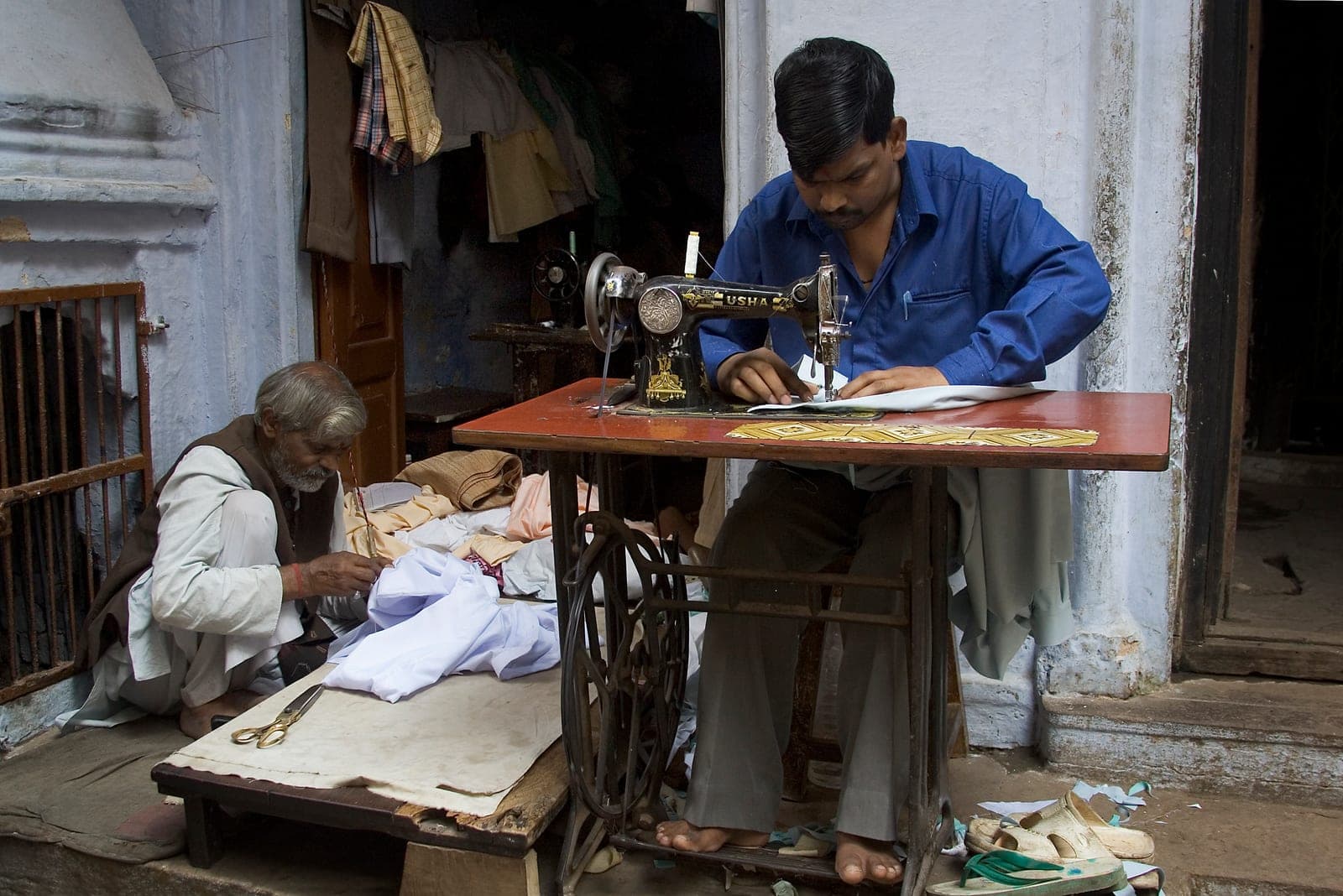
What tailoring software does
Everything between the order at the counter and the delivered, billed garment.
Measurements on file
Every customer's measurements stored by garment type and reused on the next order — no re-measuring, no lost diary. Revisions keep a history so alterations can be checked.
Orders & delivery dates
Book each order with a promised date, a trial date and an advance. Today's and this week's deliveries are on one screen, so nothing is found late.
Karigar job tracking
Assign cutting, stitching and finishing to specific workers and see what each has completed. For piece-rate shops this doubles as the wage sheet.
Customer reminders
Automatic SMS or WhatsApp when an order is booked, ready for trial and ready to collect — so customers stop calling the counter to ask.
GST billing & daybook
Turn a finished order into a GST-compliant bill, settle the advance and balance, and close the day with a cash-and-collection summary that ties out.
Material & stock
Track cloth issued for an order, whether the customer brought it or the shop supplied it, and keep boutique ready-to-wear stock on the same system.
The measurement diary, finally reliable
A tailor's measurement diary is the most valuable and most fragile thing in the shop. It is how a repeat customer is served in two minutes instead of twenty — and it is one spilled cup of tea, one lost book, or one karigar leaving away from a serious problem.
Tailoring software keeps every customer's measurements against their name and phone number, organised by garment — shirt, blouse, kurta, trouser, suit, lehenga — and lets you hold more than one set where it matters. Search a name or a number and the measurements are there, on the counter tablet or the back-room computer, the same for whoever is serving.
Because revisions are kept, an alteration or a "it used to fit" complaint can be checked against what was actually recorded and stitched, rather than argued from memory. It is the single change most tailors say they should have made years earlier.
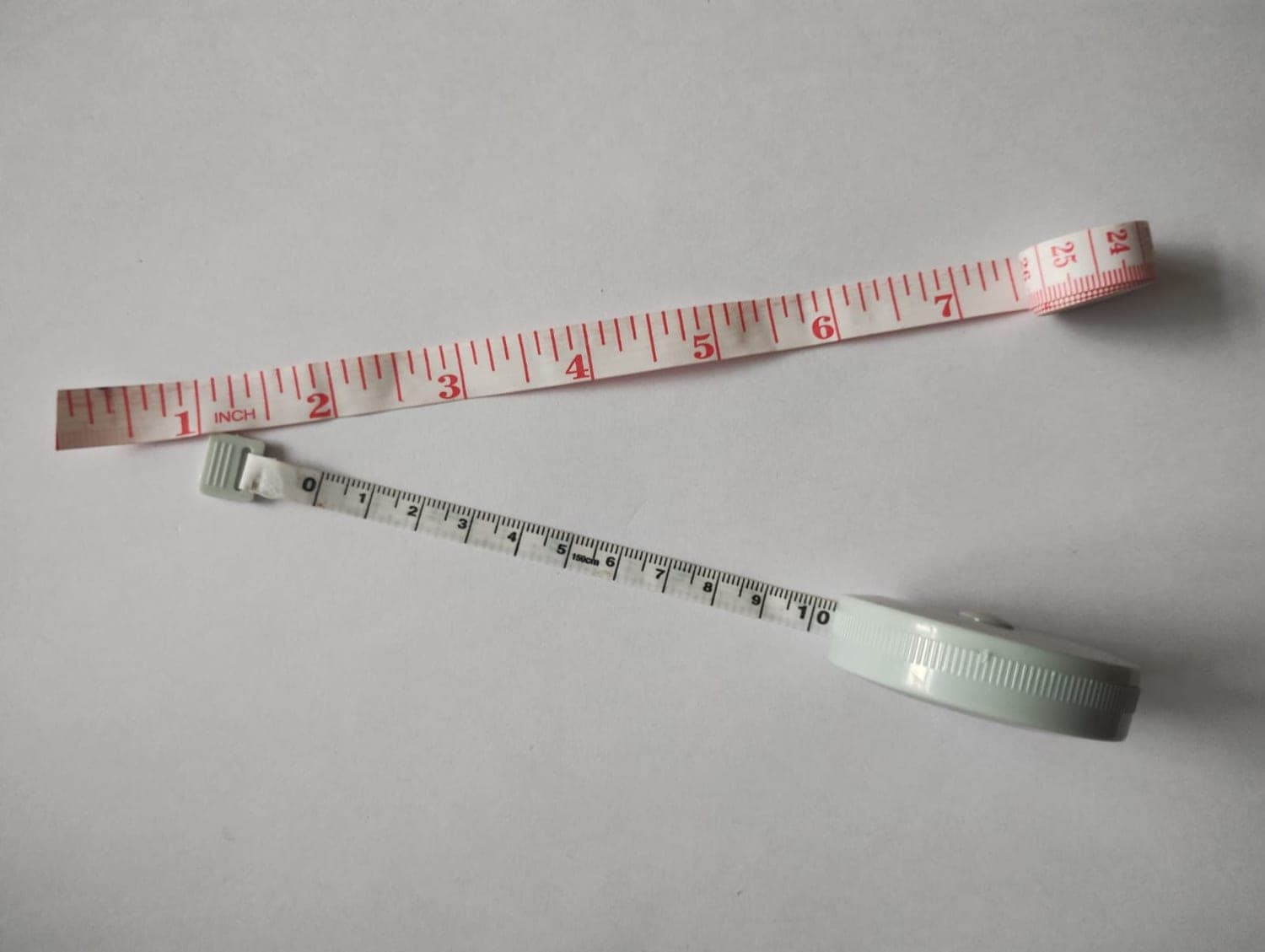
Built for the way you work
A single tailor, a boutique, or a stitching unit with masters and helpers.
Tailor shops & darzis
Take an order at the counter, save the measurements, promise a date, collect an advance and print the bill on delivery — with the day's pending orders and pending money always visible.
Boutiques & designers
Run custom stitching and ready-to-wear stock on one customer record, across one or more branches. For the retail side, pair it with garment billing software.
Stitching units & job work
Assign work to masters and helpers, track material issued and pieces received, and turn completed pieces into a piece-rate wage sheet without a second register.
Runs on a phone or tablet
No server, no licence CD. Book orders from the counter, check a delivery from the workroom, and see the day's numbers from home on the same login.

When the shop grows past orders
Start with orders and measurements. Add the rest on the same platform when you need it.
See it work end to end
A walkthrough of Vastra ERP — order to measurement to delivery to bill.
Moving off the diary and the order book
Most tailors arrive here from a measurement diary, a duplicate order book and a wage register. Getting started is smaller than it sounds: your regular customers with their measurements, your workers with their rates, and any orders currently open. Those three things have you booking orders the same day, and you can enter old customers gradually as they come back.
If you are weighing this against staying on paper or a plain billing app, our guide to what spreadsheets and registers really cost is worth ten minutes before you decide.
Frequently asked questions
What is tailoring software?
Tailoring software is a management system built for the way a tailor shop or boutique actually works — not generic billing. It records each customer's measurements once and reuses them on every future order, books stitching orders with a promised delivery date and an advance, assigns work to karigars and tracks what each has finished, sends trial and delivery reminders, and produces a GST bill and a daybook at the end of it. The point is that measurements, orders, workers, money and reminders live in one place instead of in a measurement diary, an order book, a wage register and the owner's memory.
Does it store customer measurements and reuse them?
Yes — this is the feature most tailors adopt it for. Each customer has a profile that holds their measurements by garment type (shirt, blouse, kurta, trouser, suit), with the ability to keep more than one set — a fitted set and a loose set, or a measurement that changed over time. When a repeat customer places an order, their measurements are already there, so you are not re-measuring or hunting through an old diary. If a measurement is revised, the history is kept so an alteration can be checked against what was actually stitched.
Can it track delivery dates and send reminders to customers?
It can. Every order carries a promised delivery date and, if you use trials, a trial date. The software shows you today's and this week's deliveries so nothing is discovered late, and it can send the customer an SMS or WhatsApp when the order is booked, when it is ready for trial, and when it is ready to collect. That single change — the customer being told rather than calling to ask — removes most of the counter chaos in a busy season.
Does tailoring software handle worker wages and job work?
Yes. You can assign each order, or each part of it (cutting, stitching, finishing), to a specific karigar, and the software keeps a running tally of what each worker has completed. For piece-rate shops this becomes the wage sheet directly — pieces done times the rate — instead of a separate register that never quite reconciles. For shops that send work to outside masters, the same mechanism tracks material issued and garments received back.
Is there tailoring software for a boutique with online and shop orders?
Yes. A boutique typically runs custom stitching, ready-to-wear stock, and sometimes online enquiries at the same time. Vastra ERP keeps stitching orders, finished-garment stock and customer records on one system, so a boutique can bill a ready piece and book a custom order on the same customer profile, run more than one branch, and see combined sales rather than reconciling each counter by hand.
How is this different from ordinary billing software?
Ordinary billing software can print a GST invoice, but it has no idea what a measurement, a trial date, a karigar or an alteration is. A tailor's real work happens before the bill — taking the order, holding the measurements, promising a date, getting it stitched and delivered on time. Tailoring software manages that whole flow and produces the bill as the last step, which is why a generic invoicing app leaves a tailor still keeping three separate books alongside it.
Book your next order in the system this week
Book a 30-minute demo and we'll set up one real customer, their measurements and an order — your garments, your workers, your delivery dates.
Image credits: Jorge Royan (CC BY-SA 3.0) · Muszkietqa (CC BY 4.0) · Fquasie (CC BY-SA 4.0)