Of all the ways yarn can be interlaced into fabric, one is so fundamental that it accounts for more of the world's woven cloth than every other combined: plain weave. It is the first structure any weaver learns, the simplest a loom can make, and the basis of fabrics as different as fine chiffon and heavy canvas. Its very simplicity is its strength. This short guide explains what plain weave is, why it is so widely used, and how it sits alongside the other basic weaves.
What plain weave is
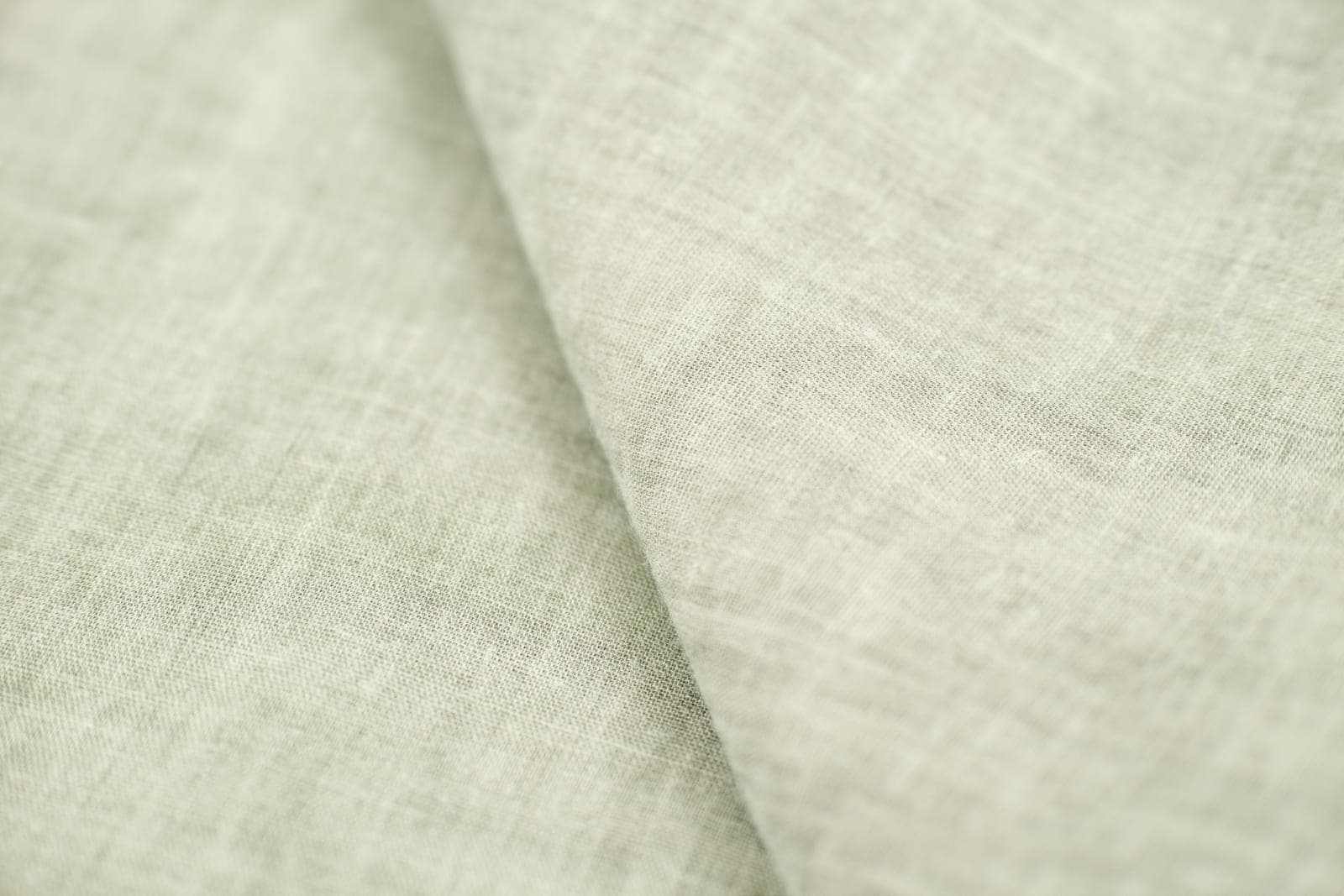
Plain weave is the simplest possible interlacing: each weft yarn passes over one warp yarn and under the next, alternating in a regular one-over-one-under pattern, and each row reverses the previous one — exactly like a woven basket or a checkerboard. Every yarn crosses every other at the maximum frequency, which is what gives plain weave its defining characteristics. It is sometimes called tabby weave, and its derivatives include basket weave (grouping yarns in pairs) and rib weaves (using different yarn sizes).
Why plain weave's simplicity is useful
The tight, frequent interlacing of plain weave produces a set of valuable properties. It is **strong and stable** — the frequent crossings lock the yarns in place, so the fabric resists distortion and holds its shape. It is **reversible** — because the structure is identical on both sides, there is no distinct face and back. It is **firm and hard-wearing**, and generally the most durable of the basic weaves. And it is the **easiest and cheapest to weave**, needing only the simplest loom. The trade-offs are that it wrinkles more readily and drapes less fluidly than looser weaves like satin.
The fabrics plain weave makes
Because it works across every weight, plain weave produces an enormous range of fabrics. Light: chiffon, voile, organza, muslin. Medium: poplin, shirting, percale, calico, taffeta. Heavy: canvas, duck, sailcloth. The same simple structure, varied by yarn and density, spans from the sheerest to the sturdiest cloth — which is a large part of why plain weave is so ubiquitous. Understanding it is understanding the backbone of woven fabric.
Plain weave vs twill and satin
The three basic weaves trade off along a clear line. Plain weave, with the most frequent interlacing, is the strongest, most stable, most reversible and most durable, but the least fluid in drape and the most prone to wrinkling. **Twill** (the diagonal weave of denim) interlaces less frequently, giving better drape, more flexibility and good soil-hiding, in exchange for a distinct face and back. **Satin** interlaces least, floating yarns across the surface for maximum smoothness and lustre, at the cost of durability and snag-resistance. Plain weave sits at the strong, stable, simple end of that spectrum.
How ERP captures weave in fabric data
For a business, the weave is part of a fabric's precise construction, recorded alongside warp and weft counts and densities. A textile ERP holds the weave structure as a structured attribute so a fabric is defined exactly — which matters for quoting, production planning against the right loom, consumption and quality, on the textile ERP platform. Even the simplest weave is part of the data that keeps the business accurate.
Plain weave is the simplest interlacing and the most common in the world — strong, stable, reversible, and endlessly adaptable from chiffon to canvas. Its plainness is precisely its power. Understanding it, and the way it trades off against twill and satin, is the foundation of understanding woven fabric — and capturing weave precisely in fabric data is part of keeping a textile business accurate. You can see how fabric construction is specified with your own qualities.
Frequently Asked Questions
What is plain weave?
Plain weave is the simplest interlacing: each weft yarn passes over one warp yarn and under the next, alternating one-over-one-under, with each row reversing the previous one — like a woven basket or checkerboard. Every yarn crosses every other at the maximum frequency. It is sometimes called tabby weave, and its derivatives include basket weave and rib weaves.
What are the properties of plain weave fabric?
The frequent interlacing makes plain weave strong and stable (it resists distortion and holds its shape), reversible (identical on both sides, so no distinct face and back), firm and hard-wearing (generally the most durable basic weave), and the easiest and cheapest to weave. The trade-offs are that it wrinkles more readily and drapes less fluidly than looser weaves like satin.
What is the difference between plain, twill and satin weave?
Plain weave interlaces most frequently — strongest, most stable, most reversible and durable, but least fluid and most wrinkle-prone. Twill (denim's diagonal weave) interlaces less, giving better drape and soil-hiding but a distinct face and back. Satin interlaces least, floating yarns for maximum smoothness and lustre at the cost of durability. Plain weave sits at the strong, stable, simple end.
Vastra ERP Editorial Team
Textile Technology Experts
Our editorial team brings decades of combined experience in textile manufacturing, supply chain management, and enterprise technology. We publish in-depth guides, industry analysis, and practical insights for textile professionals worldwide.