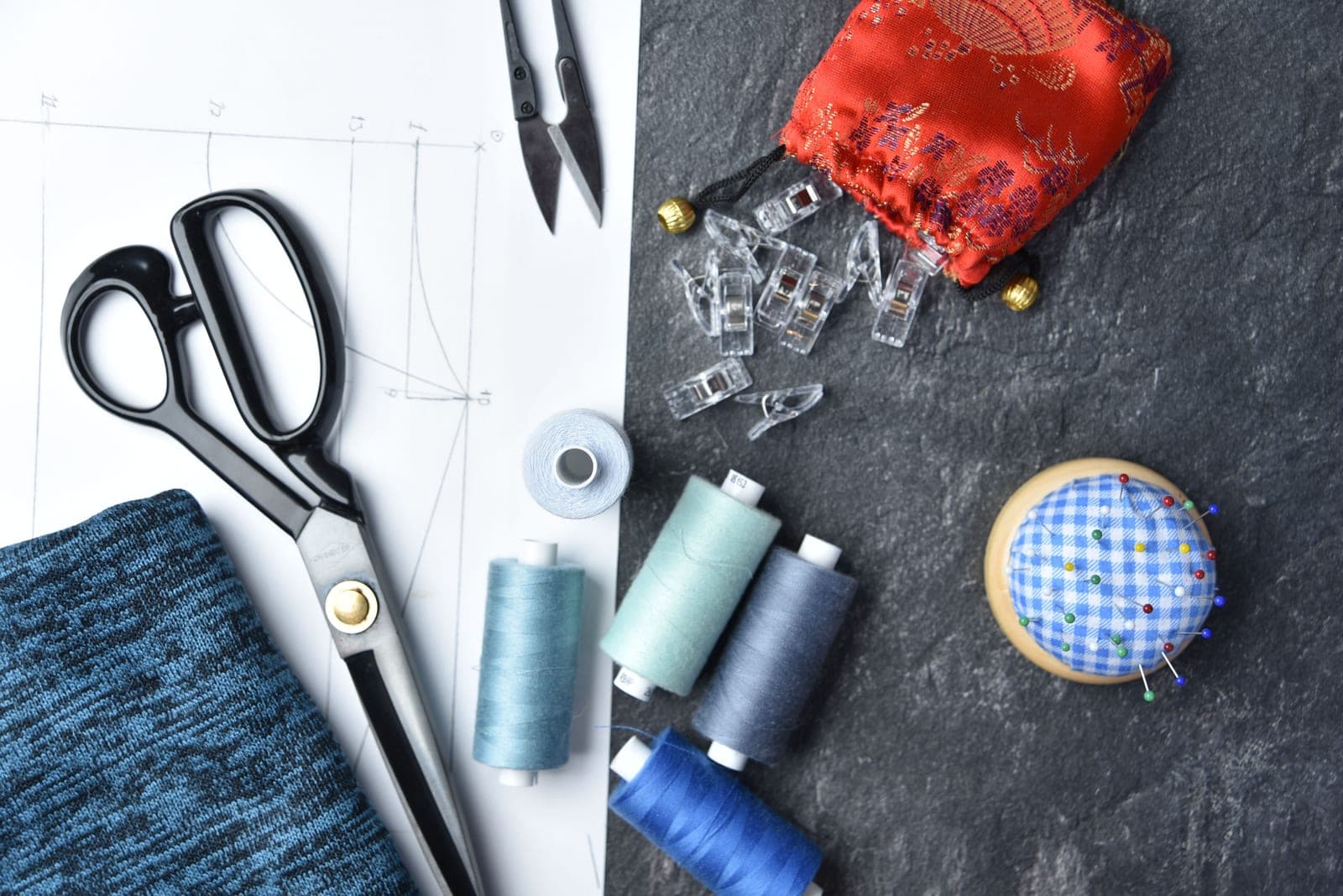
Ask what a garment is made of and the honest answer is a surprisingly long list: fabric, of course, but also thread, buttons, zips, labels, elastic, interlining, tags, polybags and more, each in a specific quantity and specification. That list is the bill of materials, and it is one of the most important documents in manufacturing — because almost everything else depends on it. Get the BOM right and costing, procurement and production all rest on solid ground; get it wrong and errors ripple through every one of them. This guide explains what a bill of materials is in a textile context and why it matters so much.
What a bill of materials is
A bill of materials (BOM) is a structured list of all the raw materials, components and sub-assemblies needed to make one unit of a product, each with its quantity, specification and often its placement. For a garment, the BOM captures the fabric (with consumption per garment), every trim and accessory (thread, buttons, zips, labels, packing), and any value-added components. It is, in effect, the recipe for the product — the definitive answer to 'what does it take to make one of these'.
Why the BOM is the backbone
The BOM matters because it feeds everything downstream. Costing is built directly from the BOM — the cost of a garment is the sum of its BOM items times their rates, plus make cost and margin, so a wrong or incomplete BOM means a wrong price. Procurement is driven by the BOM — the materials to buy for an order are the BOM multiplied by the order quantity, so an inaccurate BOM means buying too much (wasted cash) or too little (a production stoppage). And production consumes against the BOM, so material control and wastage tracking depend on it. When people say the BOM is the backbone of manufacturing, this is what they mean: three critical processes all stand on it.
Where BOMs go wrong
BOMs fail in familiar ways. They are incomplete — a small trim forgotten, so the cost is understated and the item is missing at production. They are out of date — a substituted component never updated, so procurement buys the wrong thing. They drift between versions — the sample BOM, the approved BOM and the production BOM disagree, and someone builds from the wrong one. And they live in disconnected spreadsheets, so the BOM used for costing is not the same as the one used for buying. Every one of these turns into a costing error, a shortage, or an overbuy.
How ERP keeps the BOM accurate and connected
A garment or textile ERP holds the BOM as a single, structured, versioned record tied to the style, drawing components from a shared material and trim library. Because it is one record, the BOM that costs the garment is the same BOM that drives procurement and the same one that production consumes against — no drift between disconnected copies. Versioning keeps the sample, approved and production BOMs distinct and traceable. It sits at the heart of the PLM and development side and flows into the garment ERP execution side on one platform.
Where AI helps
AI's practical contribution to the BOM is in capture and checking. Document AI reads a buyer's tech pack or material sheet and helps build the BOM from it, rather than someone transcribing components by hand. And with BOMs and actual consumption recorded across many styles, analytics can flag where a BOM systematically underestimates a component — the thread always short, the wastage always optimistic — so the standard BOM gets more accurate over time. The BOM itself remains a considered engineering document; AI reduces the manual capture and surfaces where it drifts from reality.
The bill of materials looks like a simple list and is in fact the foundation your costing, procurement and production all stand on. An accurate, single, connected BOM makes those three reliable; a scattered, stale one undermines all of them at once. If your BOMs live in spreadsheets that disagree with each other, that is a foundation worth fixing before anything built on it, and you can see how a connected BOM works with your own styles.
Frequently Asked Questions
What is a bill of materials (BOM)?
A bill of materials is a structured list of all the raw materials, components and sub-assemblies needed to make one unit of a product, each with its quantity, specification and often placement. For a garment it captures the fabric (with consumption per garment), every trim and accessory (thread, buttons, zips, labels, packing) and value-added components — effectively the recipe for the product.
Why is the BOM so important in manufacturing?
Because three critical processes depend on it: costing is built from the BOM (item costs plus make cost and margin), procurement is driven by the BOM (materials to buy = BOM × order quantity), and production consumes against it. A wrong or incomplete BOM therefore means a wrong price, buying too much or too little, and poor material control — errors that ripple through the whole operation.
How does ERP keep a BOM accurate?
A garment or textile ERP holds the BOM as a single, structured, versioned record tied to the style and drawn from a shared material library, so the BOM that costs the garment is the same one that drives procurement and that production consumes against — no drift between disconnected spreadsheet copies. Versioning keeps sample, approved and production BOMs distinct, and document AI can help build the BOM from a tech pack.
Vastra ERP Editorial Team
Textile Technology Experts
Our editorial team brings decades of combined experience in textile manufacturing, supply chain management, and enterprise technology. We publish in-depth guides, industry analysis, and practical insights for textile professionals worldwide.