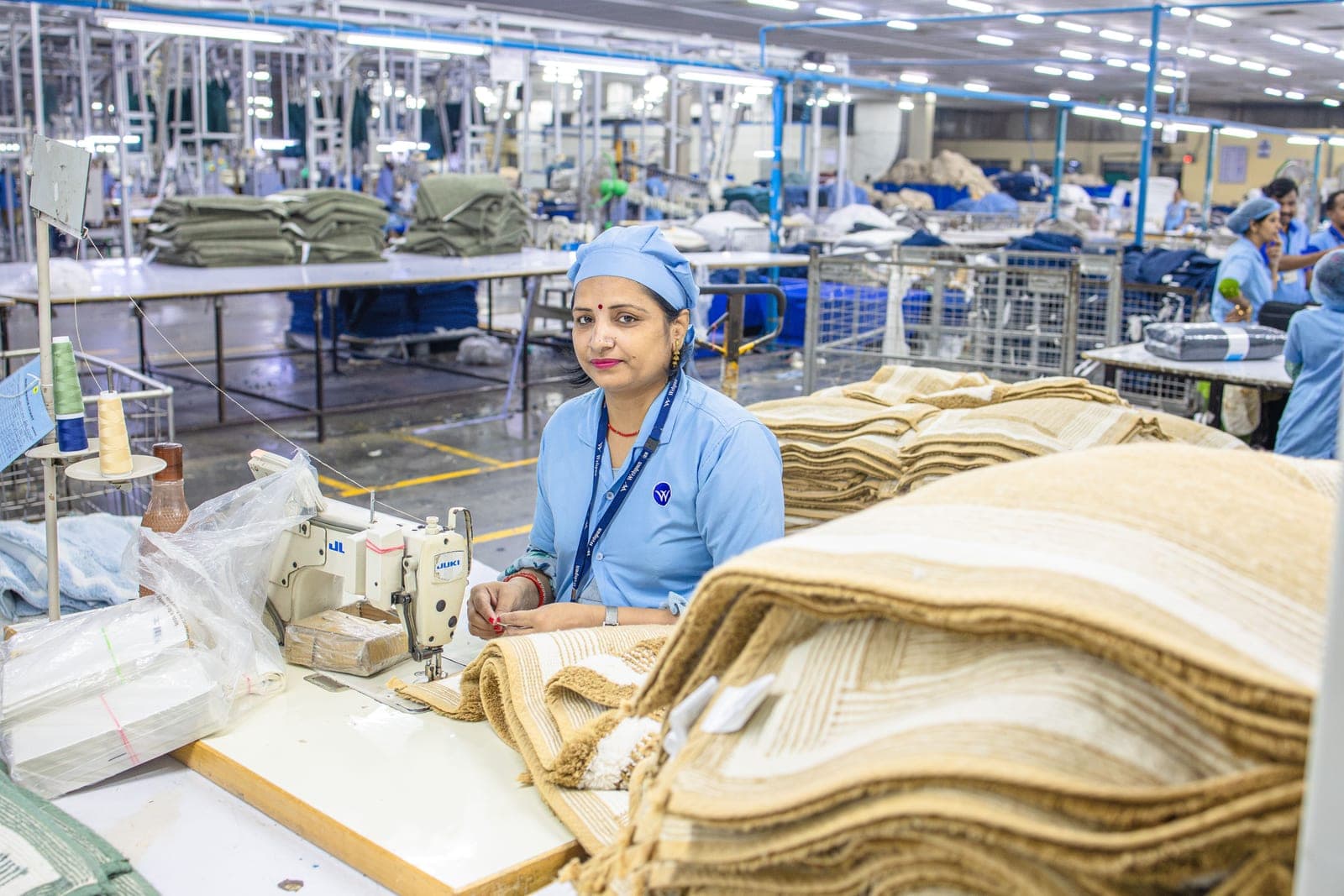
The HR manager at a garment factory in Bangalore shared a universal problem: I have four hundred operators, twelve supervisors, and three production managers. I know their names, salaries, and attendance. I do not know which operators are skilled at which operations, why Line 3 consistently underperforms Line 1, or whether night shift overtime is actually productive or just expensive.
This knowledge gap is the norm. In our assessment of one hundred fifty textile factories, only twelve percent could quantify operator-level productivity. Only eight percent tracked skill matrices. Fewer than five percent used data-driven shift scheduling.
Building the Operator Skill Matrix
Every textile operation requires specific skills. A collar attachment operator differs from a sleeve setter differs from a buttonhole specialist. A digital skill matrix records each operator's proficiency on a one to five scale for every relevant operation. When the production manager needs expert collar work, the system identifies qualified operators and suggests optimal line configuration.
The matrix also reveals training gaps and dangerous skill concentrations. If only two of four hundred operators can perform a critical operation, the system highlights the risk and prioritizes cross-training.
Shift Optimization: Right People, Right Time
Most factories run fixed shifts — same people, same lines, same times. This ignores demand variation, skill requirements, and performance patterns. Data-driven optimization considers which orders need which skills, historical productivity by shift, fatigue patterns, and overtime economics.
A knitwear factory in Tirupur improved average line efficiency from sixty-two to seventy-four percent without adding operators — entirely through better skill-to-production matching.
Productivity Analytics: Measuring What Matters
The key is measuring at line level, not individual level. Individual measurement is misleading because each operator's output depends on operators before and after them. Line-level metrics — SAM versus actual, pieces per hour, efficiency percentage — reveal whether the line performs and where bottlenecks exist.
The Retention Connection
Factories with digital skill tracking have twenty-three percent lower turnover. When operators see their skill progression, cross-training creates career paths, and allocation is based on competency rather than favoritism, workers stay longer. In an industry with forty percent annual turnover, this significantly reduces recruitment and training costs.
The Bangalore HR manager now has dashboards showing skills by line, shift comparisons, overtime ROI, and training pipeline. My operators prefer it too — they see their skills growing and their effort recognized.
Data-Driven Is Not Surveillance-Driven
The most important distinction: data-driven labor management measures line-level efficiency and identifies systemic bottlenecks, not individual keystrokes. The factories with best productivity are those where operators understand targets, see real-time progress, and know supervisors investigate system issues rather than blame individuals. This transparency builds trust and engagement.
Building Multi-Skill Flexibility
When your only expert collar operator calls in sick, an entire line stops. A systematic cross-training program driven by the skill matrix identifies single points of failure and prioritizes redundancy. Over twelve months, well-executed cross-training increases operations per operator from two to three up to five to seven, dramatically reducing absenteeism impact.
Shift Scheduling with Human Factors
Research shows the last two hours of extended shifts produce fifteen to twenty percent more defects. Night shifts average eight to twelve percent lower output. Data-driven scheduling accounts for these patterns, scheduling precision operations during peak alertness and limiting extended shifts for quality-critical work. A Bangalore factory reduced rejections by eighteen percent simply by aligning work assignments with natural performance cycles.
The Incentive Structure That Actually Works
Individual piece-rate incentives in textile manufacturing create perverse outcomes: operators rush through their pieces creating quality issues, they hoard easier work and avoid difficult operations, and they resist cross-training because learning new skills temporarily reduces their output and earnings. Line-based incentives aligned to quality-adjusted output create collaborative behavior instead.
The most effective structure we have seen: a base wage plus a line efficiency bonus shared equally among all operators on the line, with a quality multiplier that reduces the bonus if rejection rates exceed the threshold. This creates peer accountability — operators help each other because the line succeeds or fails together.
Attendance Analytics: Understanding Patterns Before They Become Problems
Absenteeism in textile factories averages eight to twelve percent daily, with significant variation by day of week, season, and proximity to holidays. Most factories react to absenteeism rather than predicting it. ERP attendance analytics identify patterns: which operators are at risk of chronic absenteeism, which days and shifts have historically high absence rates, and which production schedules are most vulnerable to absence-related disruption.
Armed with this data, production planners can build absence buffers into critical schedules, HR can intervene early with at-risk operators, and shift planning can ensure adequate cross-trained backup on historically high-absence days.
The Productivity Dashboard That Supervisors Actually Use
Most productivity reports in textile factories are Excel summaries compiled the next morning — too late for corrective action. A real-time line productivity dashboard visible on the factory floor shows: current efficiency versus target, pieces completed versus plan, quality rejection rate for the current shift, and a simple red-yellow-green indicator that any supervisor can interpret at a glance. When the indicator turns yellow, the supervisor investigates. When it turns red, the production manager gets involved. This immediate feedback loop is worth more than any amount of historical analysis.
The Economics of Cross-Training Investment
Cross-training is expensive in the short term. When you pull an experienced collar operator off their normal line to train on sleeve setting, you lose productivity during the training period. The collar operator temporarily earns less if they are paid piece-rate. The line they are training on operates below peak efficiency while they learn. All of these are real short-term costs. But the long-term economics are compelling. A factory with operators cross-trained across five operations can maintain ninety-five percent line efficiency even with fifteen percent daily absenteeism, while a factory with single-skilled operators drops to seventy percent efficiency at the same absenteeism rate. Across a year, that difference represents fifteen to twenty percent more effective production capacity from the same headcount. The investment pays for itself within six to eight months, and every month thereafter is pure return.
Shift Differential and Overtime Economics
Many textile factories treat overtime as free revenue — the facility is already running, the workers are already there, why not extract more output? The economics tell a different story. Overtime hours produce ten to fifteen percent lower output quality due to operator fatigue. Machine breakdown rates during overtime hours are twenty to thirty percent higher due to reduced maintenance attention. The overtime premium itself — typically one point five to two times base rate — significantly erodes margins on the additional production. When these hidden costs are captured in ERP analytics, most factories discover that overtime beyond ten hours per worker per week produces negative economic value. Scheduling tight regular hours with minimal overtime consistently outperforms relying on overtime to buffer planning failures.
The Role of Supervisors in Data-Driven Operations
The single biggest determinant of whether data-driven labor management succeeds is supervisor adoption. Supervisors who embrace the dashboards, act on the data, and use metrics to coach operators create high-performing lines. Supervisors who ignore the data, dispute the metrics, or resist the transparency create persistent underperformance. Invest heavily in supervisor training and selection. Promote supervisors from operators who demonstrate comfort with data rather than seniority alone. Share line-level metrics transparently so supervisors cannot hide poor performance. Create financial incentives for supervisors tied to line efficiency, quality, and operator retention. The best factories treat supervisors as frontline managers with real accountability, not as timekeepers enforcing rules from above.
Training Infrastructure That Scales
Traditional textile factory training is informal — an experienced operator shows a new recruit what to do, corrects mistakes when observed, and hopes the recruit picks it up. This approach does not scale and produces wildly variable results. A systematic training infrastructure with documented standard operating procedures, video demonstrations accessible on tablets at the workstation, progressive skill certification with measurable benchmarks, and structured mentorship assignments produces consistent results across large factories. The upfront investment in training infrastructure is substantial — typically fifteen to twenty-five lakh for a thousand-worker factory — but the return in faster onboarding, lower early attrition, and more consistent quality pays back within the first year.
The Compensation Structure Decision
Textile factories use various compensation models: pure piece-rate rewards individual output but creates quality and teamwork problems. Pure time-rate provides stability but weak performance incentives. Hybrid models combining base wage plus line efficiency bonus plus quality multiplier produce the best results in our data from one hundred fifty factories. The specific ratios matter: we recommend a base wage providing sixty to seventy percent of total earnings at standard performance, a line efficiency bonus providing twenty to twenty-five percent variable with team performance, and a quality multiplier ranging from zero point nine to one point one depending on defect rates. This structure provides income stability, team incentives, and quality accountability without the perverse outcomes of pure piece-rate systems.
Attendance Incentives That Actually Work
Absenteeism in textile factories is a chronic problem that most factories address poorly. The typical approach — deduct wages for absences — does not effectively reduce absenteeism because workers who cannot come to work generally cannot afford the deduction either. Positive incentives work better than punitive measures. A monthly perfect attendance bonus of five hundred to one thousand rupees costs the factory less than one day of absent wages while incentivizing consistent attendance. Quarterly bonus for teams with aggregate attendance above ninety-five percent creates peer accountability. Annual recognition for operators with under-five-day annual absence builds long-term engagement. These positive incentive programs reduce chronic absenteeism by thirty to forty percent in factories that implement them consistently.
The Worker Experience That Drives Retention
In a tight labor market with forty percent annual turnover, worker retention is as important as worker productivity. Digital skill tracking contributes to retention by making career progression visible and merit-based. But retention requires more than skill systems. It requires clean facilities, predictable working hours, respectful supervision, fair grievance processes, and social infrastructure like canteen, restrooms, and transportation that workers value. Factories that invest in the complete worker experience — not just extraction of worker productivity — achieve retention rates fifteen to twenty-five percentage points above industry average. The lower turnover saves on recruitment and training costs, maintains skill depth, and builds the institutional knowledge that becomes competitive advantage.
Frequently Asked Questions
How to measure productivity?
At line level using SAM vs actual, pieces/hour, and efficiency percentage. Individual measurement is misleading.
What is a skill matrix?
Digital record of each operator's proficiency (1-5) per operation. Enables skill-based allocation and identifies training gaps.
Does digital tracking affect turnover?
Decreases by 23%. Workers see progression, cross-training creates career paths, allocation based on competency.
Vastra ERP Editorial Team
Textile Technology Experts
Our editorial team brings decades of combined experience in textile manufacturing, supply chain management, and enterprise technology. We publish in-depth guides, industry analysis, and practical insights for textile professionals worldwide.