Block printing is one of the oldest and most beloved ways of putting pattern onto cloth, and in India — in Rajasthan's Bagru and Sanganer, in Gujarat's Ajrakh tradition — it is a living craft that also happens to be a substantial export business. The hand-printed cotton and silk that fills boutiques and home-textile ranges worldwide is, at its heart, a wooden block, some dye, and a printer's practised hand. But behind the craft romance sits a real production operation with real management challenges. This guide covers how block printing works and how a workshop runs it as a business.
How block printing works
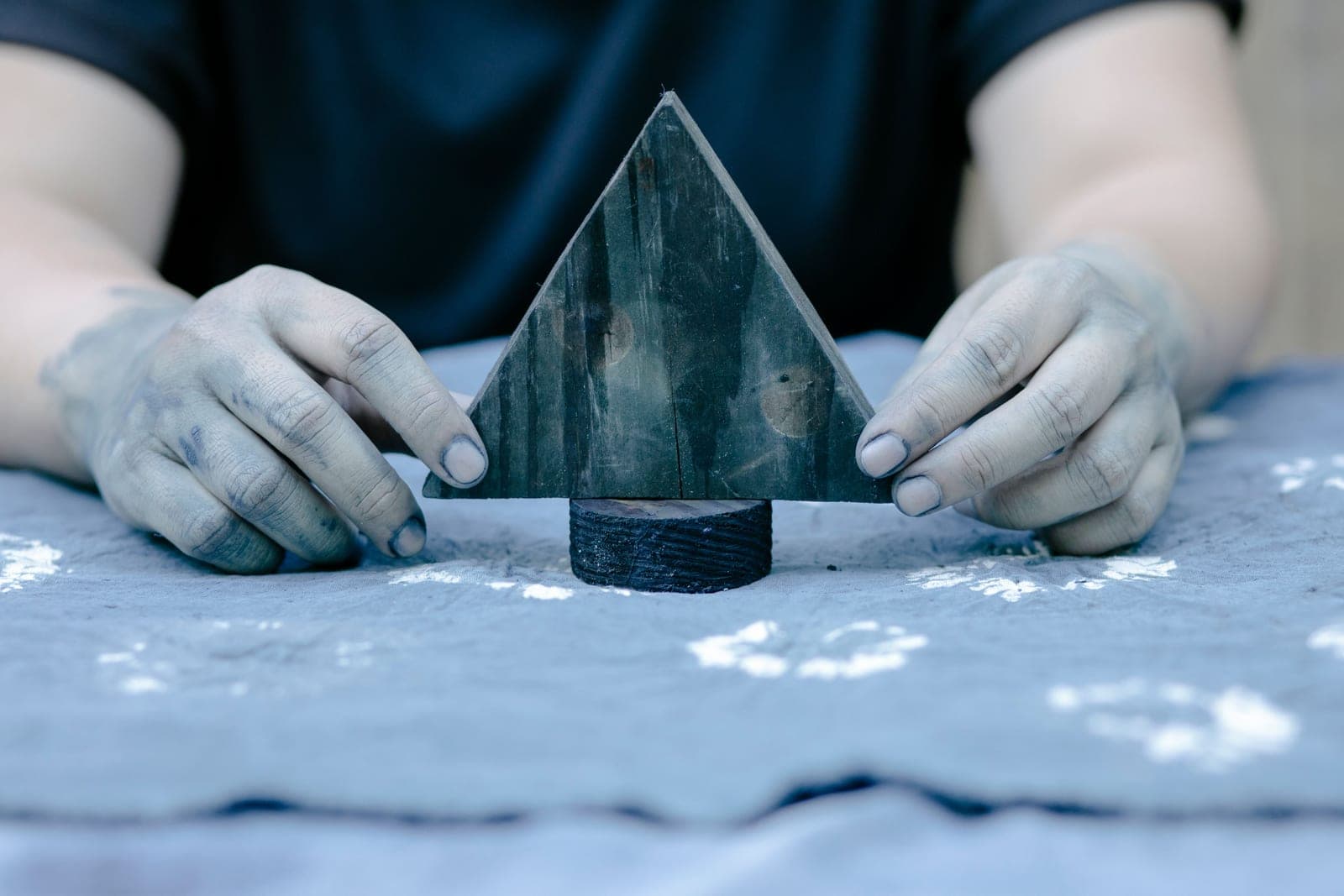
Block printing transfers a design onto fabric using carved wooden blocks. The process begins with the block itself: a design is hand-carved into a wooden block, one block per colour and often several blocks per design. The fabric is laid flat on a padded printing table. The printer dips the block into dye, positions it on the fabric — by eye and experience, using registration marks — and strikes it to transfer the impression, then repeats across the whole length, block by block, colour by colour. The printed fabric is then dried, and the dye is fixed and washed. Traditions like Ajrakh add many more resist-and-dye stages, making them among the most complex textile processes anywhere.
What makes block printing distinctive
Block printing's character comes from being hand done. Each impression is placed by a human, so there is a slight, prized irregularity — the mark of the hand — that machine printing lacks and that customers value. It handles small runs economically, since there is no expensive screen or cylinder setup as in industrial printing methods. And it carries genuine cultural and craft value, which is itself a selling point. The flip side is that it is labour-intensive, slower, and its quality depends entirely on the skill of the printer and the carver.
Block printing as a production business
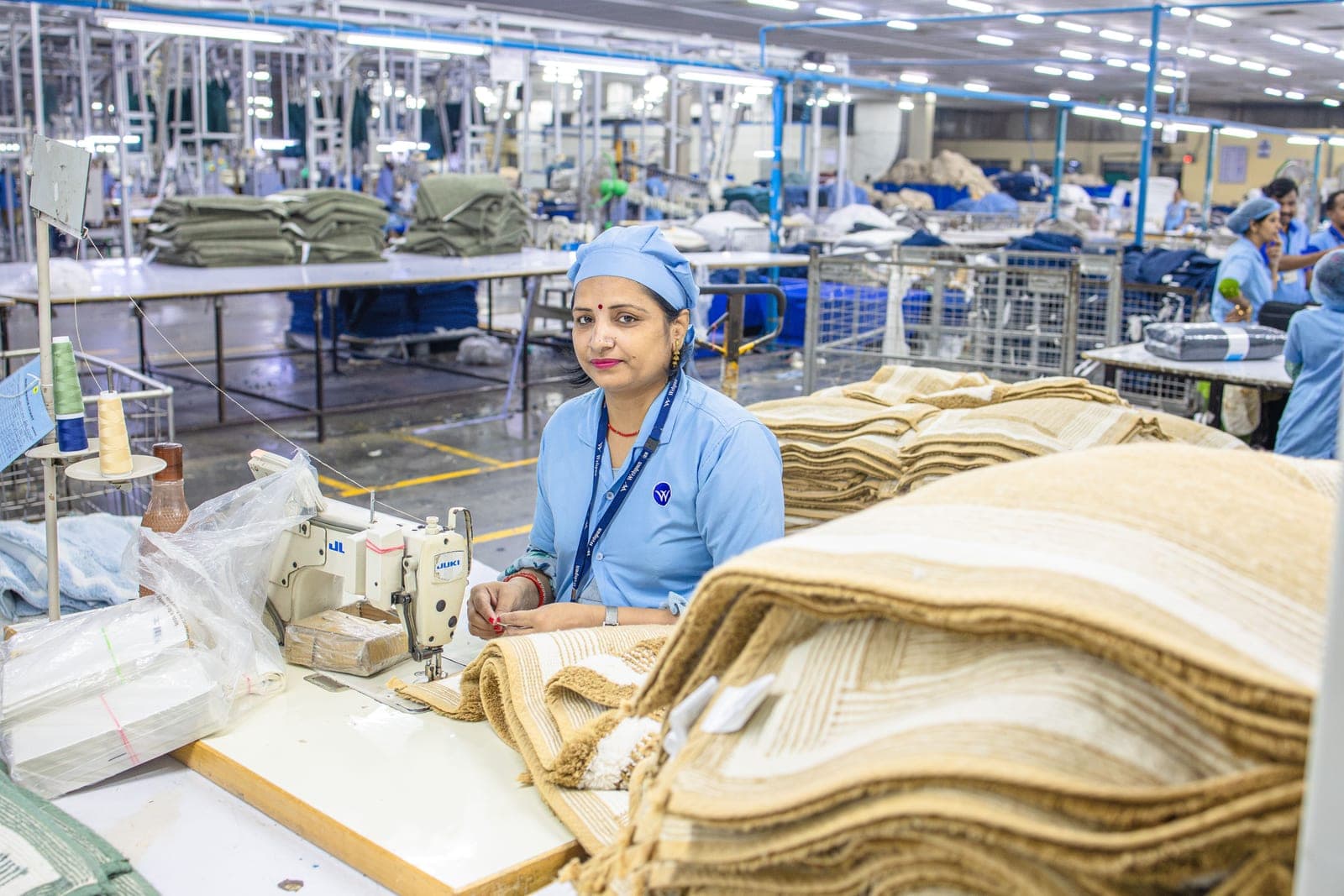
A block-printing workshop that supplies buyers is running a real operation: managing designs and their blocks, taking orders for specific designs, colourways and quantities, sourcing base fabric and dyes, scheduling printers, and meeting buyer quality standards and delivery dates. The craft framing can obscure that these are the same operational demands as any production business — orders to plan, materials to control, consumption to cost, quality to hold, dates to hit. A workshop that manages these well scales; one that relies purely on the master printer's memory hits a ceiling.
How ERP supports a block-printing workshop
A textile ERP brings order to the business side without touching the craft. Designs and their block sets are catalogued; orders link to designs, colourways and quantities; base fabric and dye consumption is captured against runs so the hand-printed product is costed accurately; printers and tables are scheduled against delivery dates; and quality and rejections are recorded. For an exporting workshop, it also carries the buyer-compliance and documentation the trade requires. It gives a traditional craft business the modern operational grip of the textile ERP platform while leaving the printing itself entirely in the artisan's hands.
Where AI helps
AI's role here is firmly on the business side, not the craft. Document AI reads buyer orders and specifications into the system — valuable for workshops handling many small, varied export orders. Analytics on captured consumption help cost hand-printed products, whose cost varies by design and colour count. And demand patterns help decide which designs and base fabrics to prepare ahead of a season. The irregular, human character of the print — the very thing that makes it valuable — is left exactly as it is.
Block printing is a craft worth preserving and a business worth running well, and those two are not in tension. Managing designs, orders, consumption and quality as data lets a workshop scale its output and serve demanding export buyers reliably, while the printing stays as human as ever. If your block-printing business is growing beyond what memory and paper can hold, that operational structure is what carries it, and you can see how craft production is managed with your own designs and orders.
Frequently Asked Questions
What is block printing?
Block printing transfers a design onto fabric using carved wooden blocks. A design is hand-carved into a wooden block (one per colour, often several per design), the fabric is laid on a padded table, and the printer dips the block in dye, positions it by eye using registration marks, and strikes it to transfer the impression — repeating across the fabric, block by block and colour by colour, before drying, fixing and washing.
What makes block printing special?
It is hand done, so each impression carries a slight, prized irregularity — the mark of the hand — that machine printing lacks and customers value. It handles small runs economically since there's no expensive screen or cylinder setup, and it carries genuine cultural and craft value. The trade-off is that it is labour-intensive, slower, and quality depends entirely on the printer's and carver's skill.
How does ERP help a block-printing business?
It catalogues designs and block sets, links orders to designs, colourways and quantities, captures base-fabric and dye consumption against runs so hand-printed products are costed accurately, schedules printers against delivery dates, and records quality and rejections. For exporters it also handles buyer compliance and documentation — giving a craft business modern operational control while leaving the printing itself to the artisan.
Vastra ERP Editorial Team
Textile Technology Experts
Our editorial team brings decades of combined experience in textile manufacturing, supply chain management, and enterprise technology. We publish in-depth guides, industry analysis, and practical insights for textile professionals worldwide.