Most of the textiles in your life are ones you would never call fabric. The airbag in your car, the mask a surgeon wears, the membrane under a highway, the vest that stops a bullet, the filter in an air conditioner — all are textiles, engineered not for how they look but for what they do. This is the world of technical textiles, one of the fastest-growing and highest-value parts of the industry, and a business run on very different principles from fashion. This guide explains what technical textiles are, the categories they span, and why making them is a precision game.
What technical textiles are
Technical textiles are textile materials made primarily for their technical performance and functional properties rather than their aesthetic or decorative appeal. Where a shirting fabric is judged on look, hand and shade, a technical textile is judged on measurable performance: tensile strength, filtration efficiency, flame resistance, barrier properties, durability under stress. The fibre, construction and finish are all engineered to hit a specification, and meeting that specification — provably — is the whole point.
The categories of technical textiles
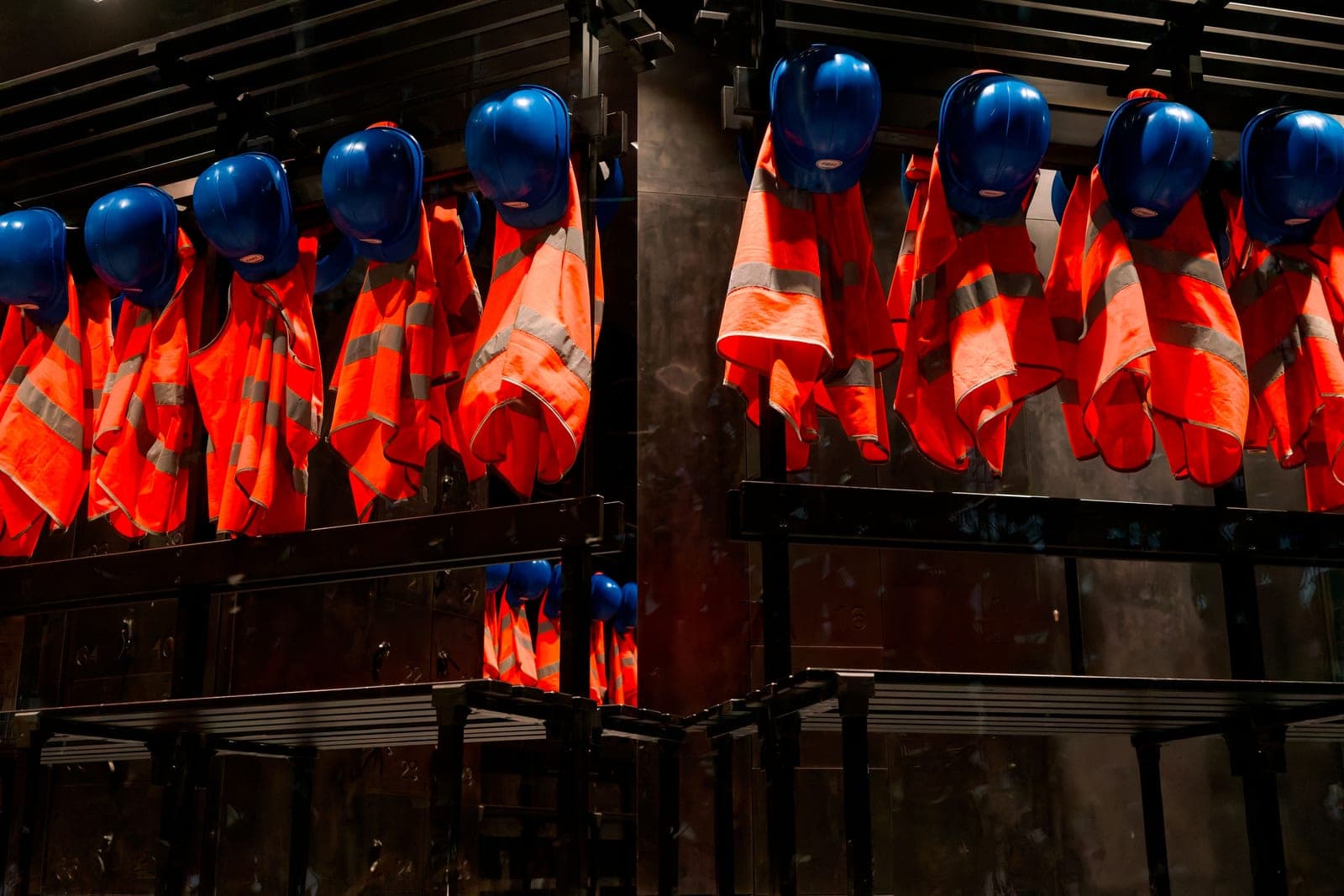
The field is conventionally divided into around a dozen application areas. Common ones include **Meditech** (medical — surgical gowns, masks, implants, wound dressings), **Mobiltech** (transport — airbags, seatbelts, tyre cord, upholstery), **Buildtech** (construction — membranes, scaffolding nets, architectural fabrics), **Geotech** (geotextiles — soil stabilisation, drainage, road and embankment reinforcement), **Protech** (protective — flame-retardant, cut-resistant, high-visibility and ballistic clothing), **Agrotech** (agriculture — crop covers, shade nets), **Indutech** (industrial — filtration, conveyor belts, insulation), and more. Each serves an industry with its own standards and demands.
Why technical textiles are a precision, traceability business
The defining feature of technical-textile manufacturing is that performance must be proven and traceable. A geotextile that fails can undermine a road; a medical textile that is off-spec is a safety issue; an automotive textile is bound by exacting OEM standards. That means raw materials, process parameters and test results all have to be recorded and traceable back to the batch — so that a product's compliance can be demonstrated and a problem can be traced to its cause. This is a world where 'it looks fine' is meaningless; the fabric either meets the tested specification or it does not. See our guide to textile testing for how those checks work.
How ERP handles technical textiles
A technical-textile business needs the ERP to carry specification, process and test data as first-class information. Each product holds its performance specification and the test standards it must meet; process parameters are recorded against batches so production is controlled and repeatable; and quality results are held against lots with full traceability, so compliance can be evidenced to a customer or auditor and any failure traced to its batch and cause. It builds on the same fabric fundamentals as conventional textiles but adds the specification-and-traceability rigour the segment lives by, on the textile ERP platform.
Where AI helps
AI supports technical textiles where data density is high: computer vision inspects for defects that a performance product cannot carry; analytics on captured process and test data surface the parameter drift that leads to off-spec output before it happens; and document AI reads demanding customer specifications and standards into the system accurately, which matters enormously when the spec is the contract. The performance still comes from materials science and process control; AI helps keep both provably in specification.
Technical textiles are where the industry meets engineering — fabrics made to perform, not to please, for markets from medicine to mobility to infrastructure. The business runs on proving and tracing performance, which makes specification, process control and test traceability non-negotiable. If you make technical textiles and your compliance evidence lives in scattered records, that is a real risk as much as an inefficiency, and you can see how specification and test data are managed with your own products.
Frequently Asked Questions
What are technical textiles?
Technical textiles are textile materials made primarily for their technical performance and functional properties — tensile strength, filtration, flame resistance, barrier properties, durability — rather than for appearance. Examples include airbags, surgical masks, geotextiles under roads, protective clothing and industrial filters. The fibre, construction and finish are engineered to meet a measurable specification.
What are the main categories of technical textiles?
The field is divided into around a dozen application areas, including Meditech (medical), Mobiltech (transport — airbags, seatbelts), Buildtech (construction membranes), Geotech (geotextiles for soil and roads), Protech (protective and high-visibility clothing), Agrotech (crop covers, shade nets) and Indutech (filtration, conveyor belts, insulation). Each serves an industry with its own standards.
Why is traceability important in technical textiles?
Because performance must be proven and traceable — a geotextile that fails can undermine a road, an off-spec medical textile is a safety issue, and automotive textiles must meet exacting OEM standards. Raw materials, process parameters and test results all have to be recorded and traceable to the batch, so compliance can be demonstrated and any problem traced to its cause.
Vastra ERP Editorial Team
Textile Technology Experts
Our editorial team brings decades of combined experience in textile manufacturing, supply chain management, and enterprise technology. We publish in-depth guides, industry analysis, and practical insights for textile professionals worldwide.