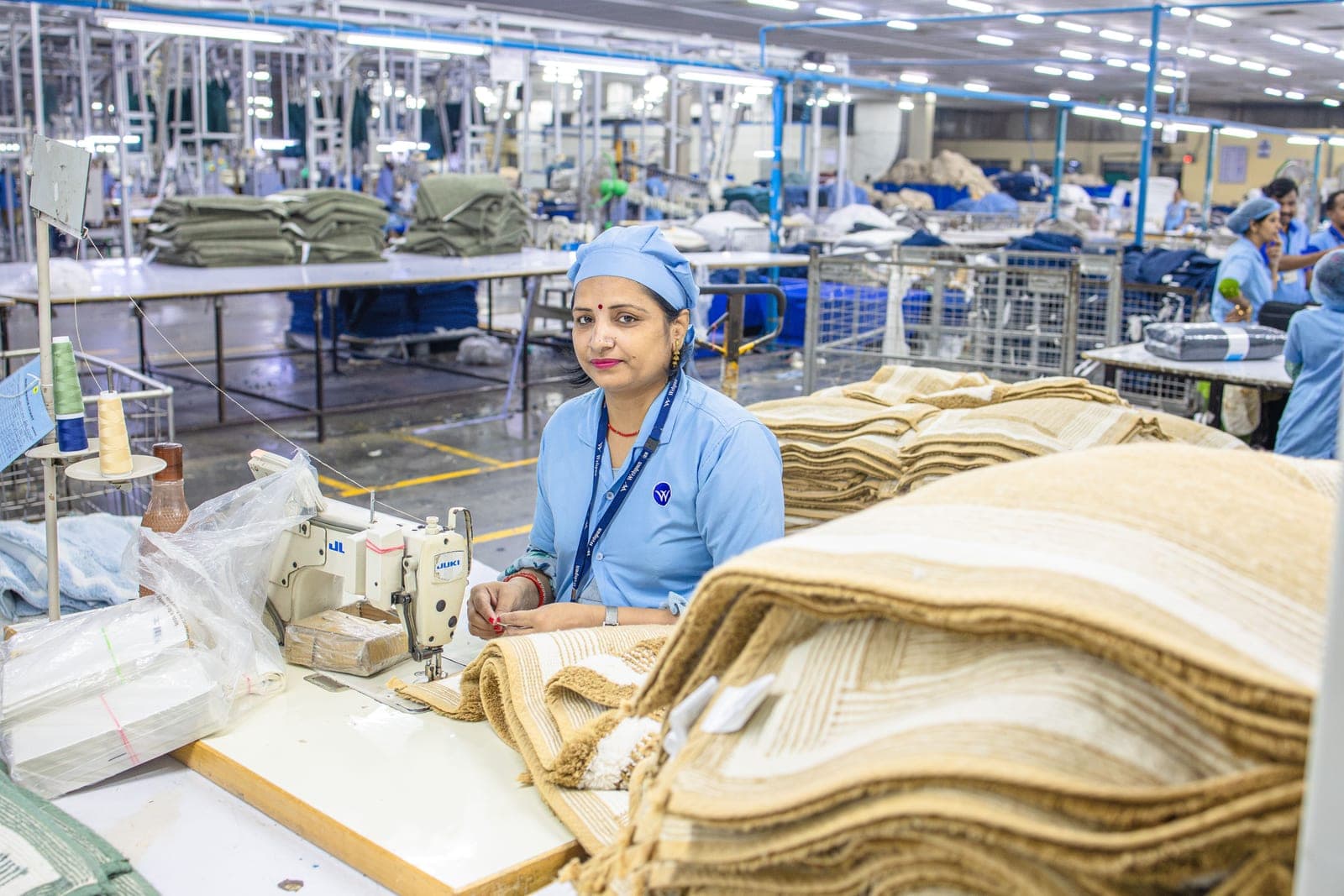
When people picture the textile industry they usually think of clothing, but a vast part of it never becomes a garment at all. Home textiles — the towels, bedsheets, curtains, table linen and upholstery fabrics that furnish every home — is one of the largest and most export-heavy segments of the industry, and for countries like India it is a major manufacturing strength, centred in hubs like Panipat and Karur. It is also a business with its own distinct rhythms, quite different from apparel. This guide covers what home textiles are, what makes the business particular, and how ERP handles it.
What counts as home textiles
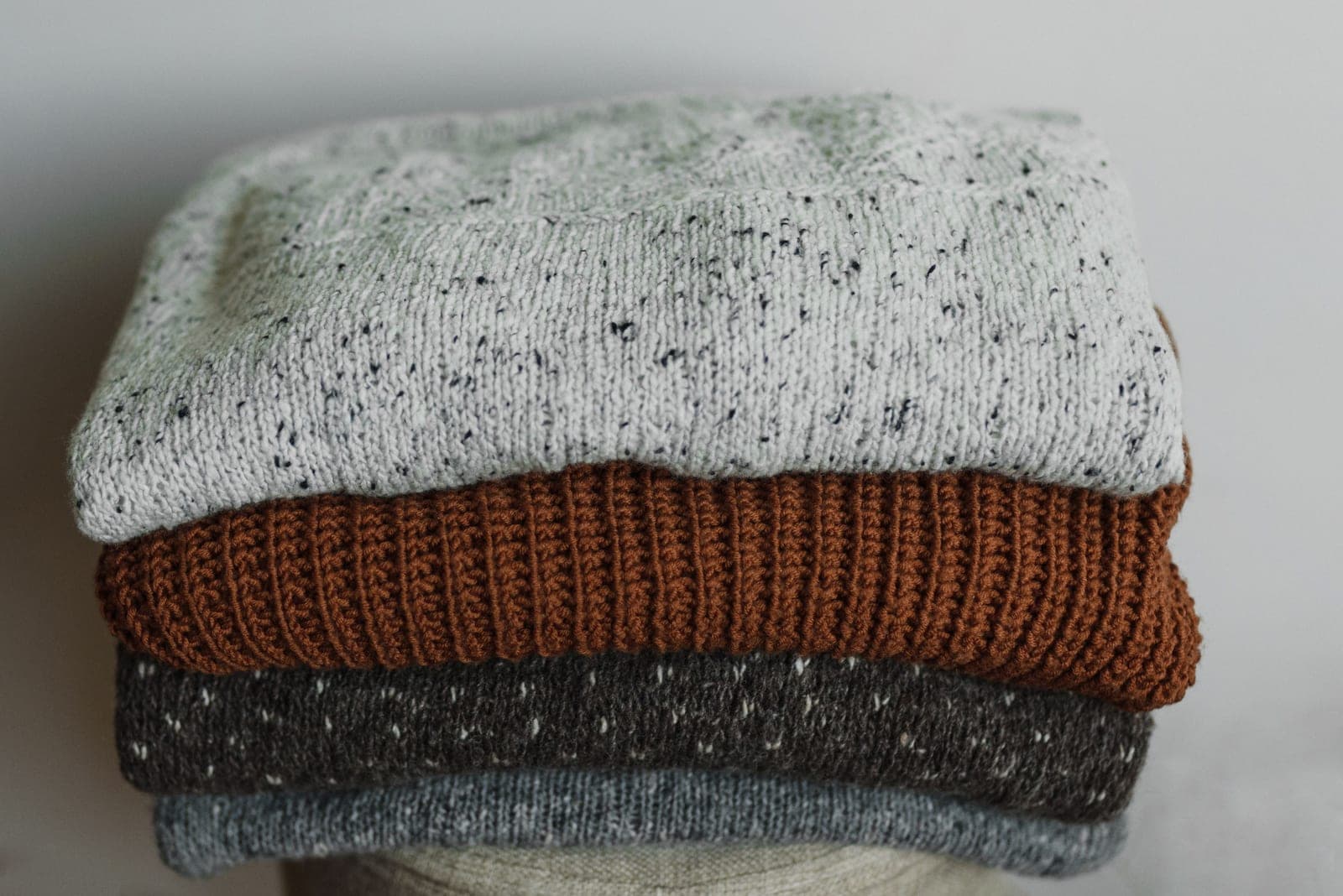
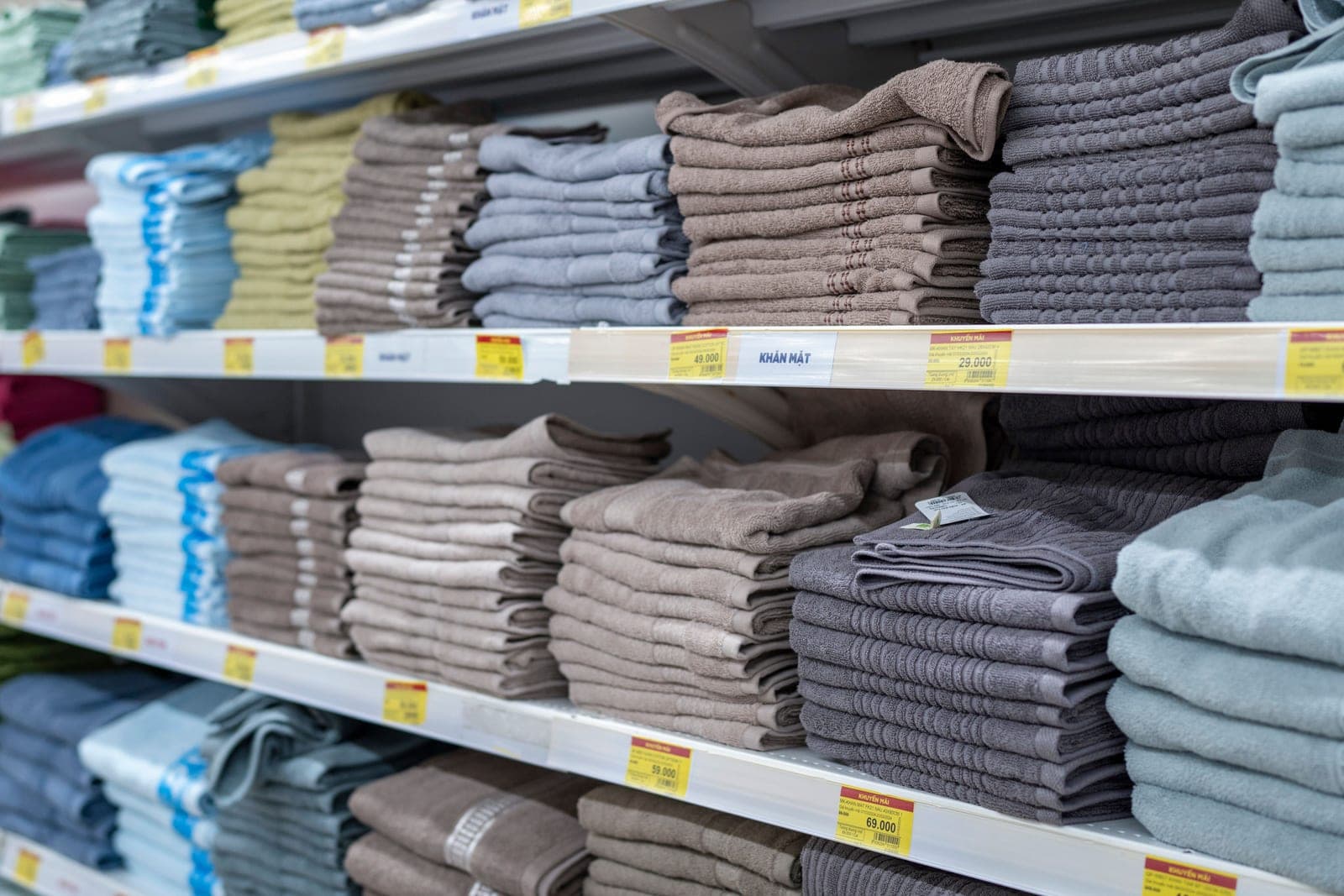
Home textiles broadly split into a few families. **Bed linen** — bedsheets, duvet covers, pillowcases, blankets and quilts. **Bath linen** — towels, bath mats, bathrobes. **Kitchen and table linen** — tablecloths, napkins, kitchen towels, aprons. **Living and decorative** — curtains, cushion covers, upholstery fabric, throws, rugs and floor coverings. Each family has its own materials, construction and quality expectations, but they share a common commercial character: they are made in high volumes, sold as coordinated ranges, and judged heavily on consistency.
What makes the home-textiles business distinct
Several things set home textiles apart from apparel. Volumes are large and SKUs proliferate through size and colour combinations — a single towel design becomes dozens of sellable items across sizes and shades. Sets and coordinated ranges matter, so colour and shade consistency across pieces made at different times is critical (a bedsheet and its pillowcases must match). Much of the output is export, bringing buyer compliance and documentation into play. And the products are simple in construction but demanding in finish, dyeing consistency and dimensional stability — a towel that shrinks or fades is a returned towel.
The operational challenges
Those characteristics create specific operational pressures. Managing a wide SKU matrix of design × size × colour without losing track of stock is hard on generic systems. Holding shade consistency across dye lots so coordinated sets actually match is a constant quality battle. Costing high-volume, low-margin products accurately means small errors scale into real money. And serving export buyers means meeting their quality standards and paperwork reliably. A home-textiles maker running on spreadsheets tends to struggle exactly where the business is most demanding: the SKU matrix, shade continuity and accurate costing at volume.
How ERP handles home textiles
A textile ERP addresses these directly. It models the design–size–colour SKU matrix as structured stock rather than a flat list, so the wide range stays accurate and reorderable. It ties production to dye lots and shade standards so coordinated ranges hold their colour. It costs high-volume products from real consumption so thin margins are protected, and it plans production across the volume the segment demands. Built on fabric fundamentals like fabric type and construction, it gives a home-textiles business the same operational grip on the textile ERP platform that apparel makers get.
Where AI helps
The AI layer supports home textiles in the same grounded ways it supports the rest of the industry: document AI reads high-volume export orders and supplier invoices into the system; computer vision helps hold shade and finish consistency across coordinated ranges; and demand analytics on a wide, seasonal SKU set helps decide what to build ahead. The value is proportional to the volume and SKU complexity — which is exactly what home textiles has in abundance.
Home textiles is a large, export-strong segment whose apparent simplicity hides real operational demands: a sprawling SKU matrix, exacting shade consistency across sets, and thin margins at high volume. A maker that manages those with a textile-aware system competes on the reliability buyers reward; one that runs on spreadsheets fights the SKU matrix and shade battles by hand. If those are your pain points, that is where a system pays back, and you can see how a home-textiles range is managed with your own products.
Frequently Asked Questions
What are home textiles?
Home textiles are textile products for the home rather than clothing: bed linen (sheets, duvet covers, pillowcases, blankets), bath linen (towels, bath mats, bathrobes), kitchen and table linen (tablecloths, napkins, kitchen towels), and living and decorative items (curtains, cushion covers, upholstery fabric, throws, rugs). They are made in high volumes and sold as coordinated ranges.
What makes the home-textiles business different from apparel?
Volumes are large and SKUs proliferate through size and colour combinations; coordinated ranges make shade consistency across pieces critical (a bedsheet and its pillowcases must match); much output is exported, bringing compliance and documentation into play; and products are simple in construction but demanding in finish, dyeing consistency and dimensional stability — a towel that shrinks or fades is returned.
How does ERP help a home-textiles manufacturer?
It models the design–size–colour SKU matrix as structured stock so the wide range stays accurate, ties production to dye lots and shade standards so coordinated ranges hold their colour, costs high-volume products from real consumption to protect thin margins, and plans production at the volume the segment demands. AI adds document reading for export orders and shade-consistency support.
Vastra ERP Editorial Team
Textile Technology Experts
Our editorial team brings decades of combined experience in textile manufacturing, supply chain management, and enterprise technology. We publish in-depth guides, industry analysis, and practical insights for textile professionals worldwide.