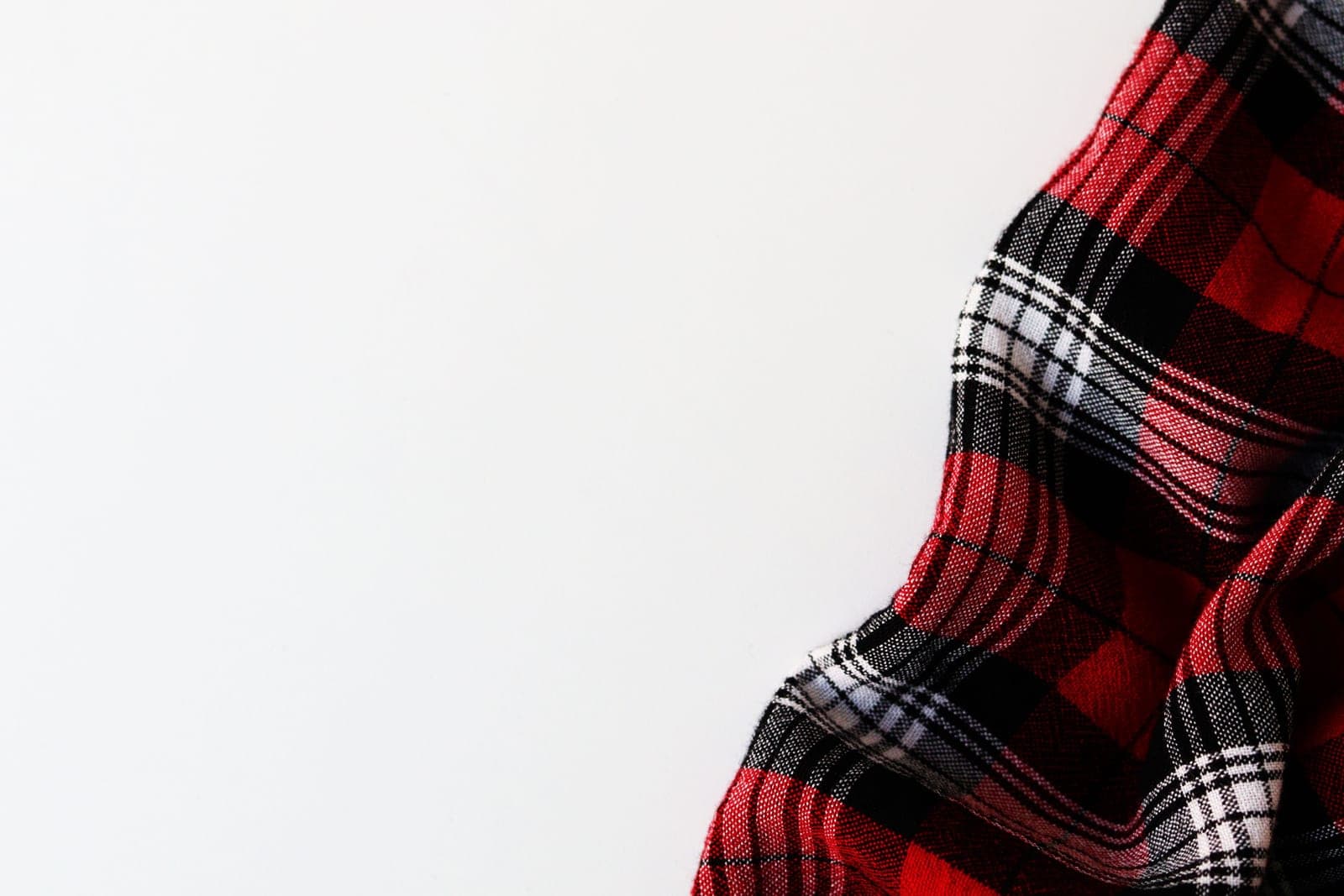
Say 'flannel' and most people picture a red-and-black checked lumberjack shirt. But that plaid is a coincidence of fashion, not what flannel actually is — you can have flannel in any colour or pattern, or none. Flannel is not a pattern and not really a specific fibre; it is defined by a finish, a soft, fuzzy, brushed surface that makes it feel warm and cosy. Understanding what flannel really is explains why it is so warm, and clears up one of the more common fabric misconceptions. This guide covers flannel.
What flannel actually is
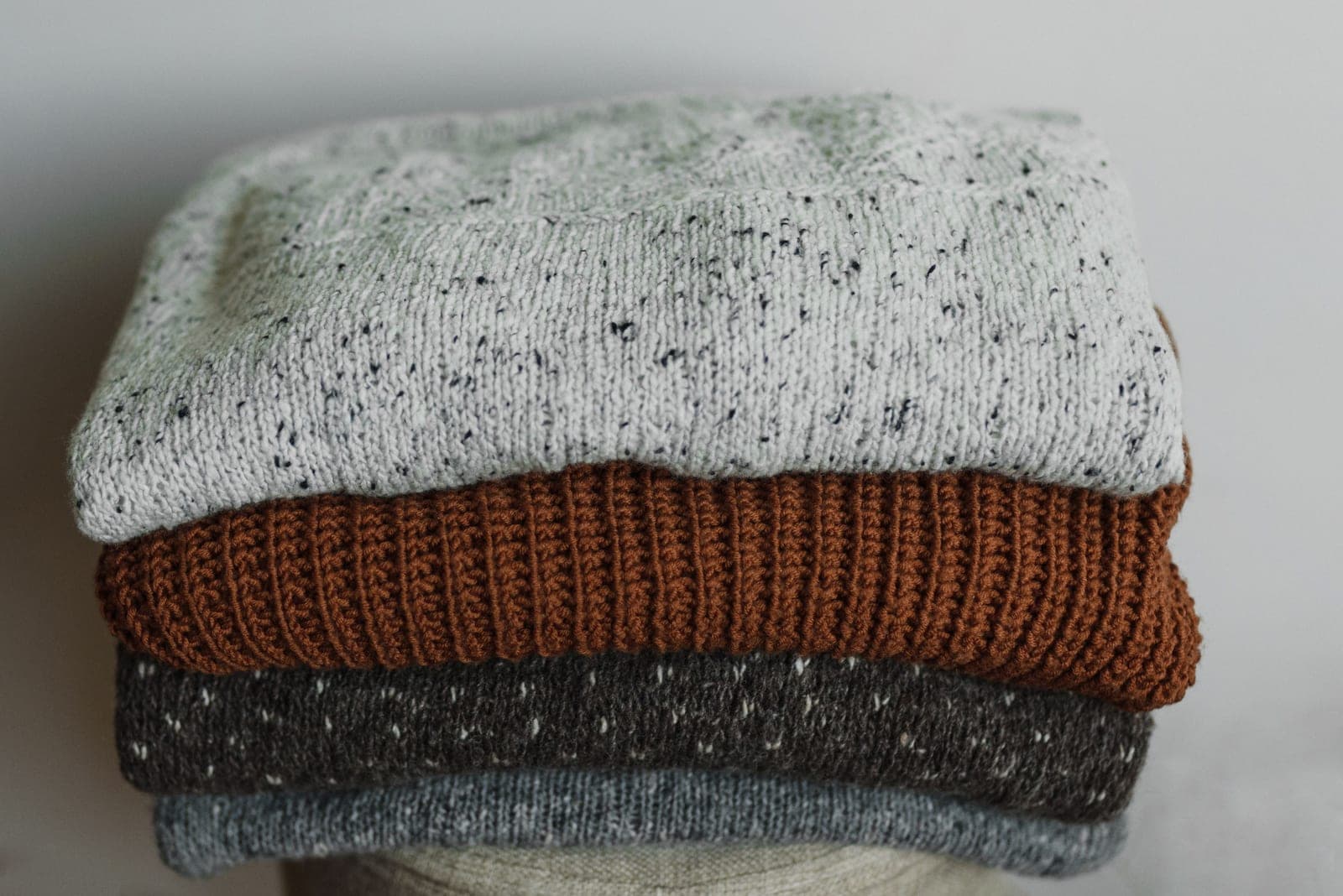
Flannel is a soft, medium-weight fabric with a napped (brushed) surface on one or both sides. Traditionally made of wool, it is now most commonly cotton (and blends). Its defining feature is the nap — a raised layer of soft fibre fluffed up from the surface of the fabric — which is created by a finishing process, not by the weave or the colour. Flannel can be woven as a plain or twill weave, in any colour or print (the plaid is just a popular one), but it is always brushed. The nap is the whole point.
How the brushing creates warmth
The nap is raised by a mechanical finishing process called napping or brushing, in which the fabric is passed over rollers covered in fine wire brushes that gently tease up the ends of the fibres, raising a soft, fuzzy layer. This raised nap does two things. It makes the fabric feel soft and cosy against the skin. And, importantly, it traps a layer of air among the raised fibres — and trapped air is an excellent insulator. That is the physical reason flannel feels so warm: the brushed nap holds a blanket of still air against you. It is warmth by finishing, not by thickness alone.
Common types of flannel
A few varieties recur. **Cotton flannel** — the everyday flannel of shirts and bed sheets. **Wool flannel** — a finer, often suiting fabric (the 'flannels' of classic tailoring). **Flannelette** — a lighter cotton flannel, common for nightwear and baby clothes. **Ceylon and other blends** mix fibres. What unites them is the brushed nap; what varies is the fibre, weight and use. The warmth-to-weight that brushing provides makes flannel a staple of cold-weather clothing and bedding.
How ERP handles flannel
Because flannel is defined by a finishing process, a business making it tracks the napping finish alongside the base fabric's construction and GSM. A textile ERP holds the finishing route as a recorded, recipe-driven step tied to the roll and lot, so the brushed finish is consistent and traceable, and costs the finishing accurately. Since the same base fabric brushed differently is a different product, tracking the finish as data keeps stock and costing right. It is part of the finishing discipline of the textile ERP platform.
Flannel is a brushed finish, not a plaid pattern — a raised, napped surface that traps insulating air, which is why it feels so soft and warm regardless of its colour or weave. Knowing that clears up a common misconception and explains the cosiness. For a business, since the finish defines the product, tracking the napping process as recorded data keeps flannel consistent and correctly costed, and you can see how finishing is managed with your own fabrics.
Frequently Asked Questions
What is flannel fabric?
Flannel is a soft, medium-weight fabric with a napped (brushed) surface on one or both sides. Traditionally wool, it is now most commonly cotton or blends. Its defining feature is the nap — a raised layer of soft fibre fluffed up from the surface by a finishing process, not by the weave or colour. Flannel can be any weave, colour or print (the plaid is just popular), but it is always brushed.
Why is flannel so warm?
The nap is raised by brushing the fabric over rollers of fine wire brushes, which teases up a soft, fuzzy layer of fibre. This raised nap traps a layer of still air among the fibres, and trapped air is an excellent insulator — so the brushed nap holds a blanket of warm air against the skin. Flannel's warmth comes from that finishing, not from thickness alone.
Is flannel a pattern or a fabric?
Flannel is a fabric defined by its brushed finish, not a pattern. The famous red-and-black check is a coincidence of fashion — flannel can be any colour, print or none, in a plain or twill weave. What makes a fabric flannel is the napped, brushed surface, not the plaid many people associate with it.
Vastra ERP Editorial Team
Textile Technology Experts
Our editorial team brings decades of combined experience in textile manufacturing, supply chain management, and enterprise technology. We publish in-depth guides, industry analysis, and practical insights for textile professionals worldwide.